

Can Silicon Nitride Tube be welded?
As a supplier of Silicon Nitride Tubes, I often encounter questions from customers about the properties and processing methods of these tubes. One of the most frequently asked questions is whether silicon nitride tubes can be welded. In this blog post, I will delve into this topic, exploring the science behind silicon nitride, the challenges and possibilities of welding it, and how it compares to other similar products in the market.
Silicon nitride (Si₃N₄) is a high - performance ceramic material known for its exceptional mechanical, thermal, and chemical properties. It has high strength, good fracture toughness, excellent thermal shock resistance, and is resistant to corrosion from many chemicals. These properties make silicon nitride tubes highly desirable in various industrial applications, such as in high - temperature environments, aerospace, and chemical processing.
When it comes to welding, traditional welding methods used for metals are not directly applicable to silicon nitride tubes. Metals typically have a well - defined melting point, and welding involves melting the base metals and adding a filler material to form a joint. However, silicon nitride has a very high melting point (around 1900°C) and a complex crystal structure. When heated to high temperatures, instead of melting in a controlled way like metals, silicon nitride can decompose before reaching its melting point.
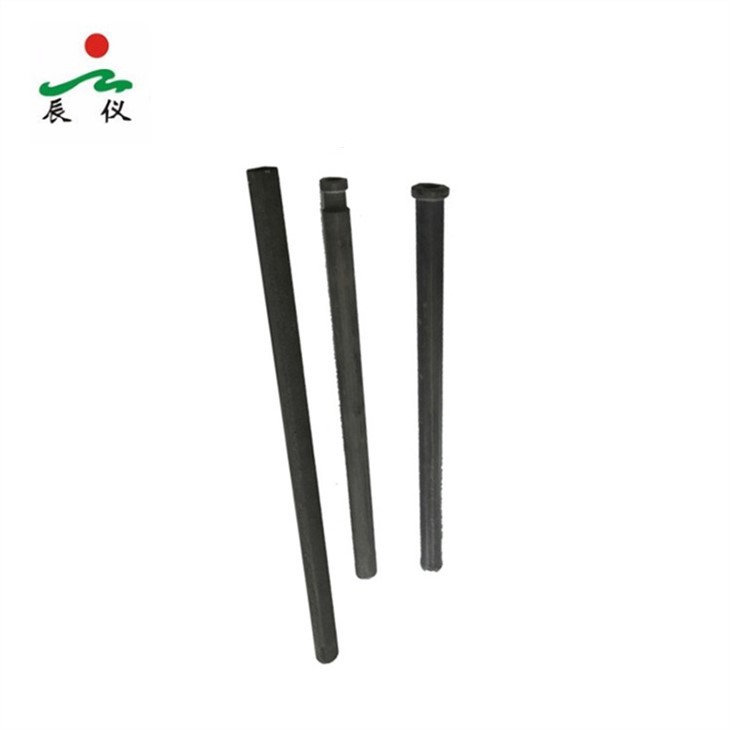

One of the main challenges in welding silicon nitride tubes is the need to maintain the integrity of its crystal structure during the welding process. Any significant change in the crystal structure can lead to a loss of the material's excellent properties, such as strength and thermal shock resistance. Additionally, the high reactivity of silicon nitride with oxygen at high temperatures can cause oxidation, which further complicates the welding process.
Despite these challenges, there are some advanced welding techniques that have shown potential for joining silicon nitride tubes. One such method is diffusion bonding. Diffusion bonding involves applying pressure and heat to the two surfaces to be joined, allowing atoms to diffuse across the interface and form a bond. This process can be carried out in a controlled atmosphere, such as in a vacuum or an inert gas environment, to prevent oxidation. Another approach is using active metal brazing. In active metal brazing, a filler metal containing active elements such as titanium or zirconium is used. These active elements react with the silicon nitride surface, forming a strong bond between the filler metal and the tube.
Now, let's compare silicon nitride tubes with other similar products in the market. For example, the [Alundum Ceramic Tube](/temperature - sensor - accessories/protection - tube/alundum - ceramic - tube.html). Alundum ceramic tubes are also widely used in temperature sensor protection due to their good thermal insulation properties. However, compared to silicon nitride tubes, alundum ceramic tubes generally have lower strength and fracture toughness. Silicon nitride tubes can withstand higher mechanical stresses and are more resistant to thermal shock, making them a better choice in applications where harsh conditions are expected.
Another product is the [Drilled Bar Stock Thermowell](/temperature - sensor - accessories/protection - tube/drilled - bar - stock - thermowell.html). Thermowells are used to protect temperature sensors from harsh process conditions. While drilled bar stock thermowells can be made from various materials, silicon nitride tubes offer unique advantages. Their high - temperature resistance and chemical inertness make them suitable for use in corrosive and high - temperature environments where other materials may fail.
In terms of welding, the welding techniques for alundum ceramic tubes and drilled bar stock thermowells also face their own challenges. Alundum ceramic tubes, like silicon nitride tubes, require specialized welding methods due to their ceramic nature. Drilled bar stock thermowells made of metals can be welded using traditional metal - welding techniques, but if they are made of non - metallic materials, similar advanced welding methods as for silicon nitride may be needed.
As a supplier of [Silicon Nitride Tubes](/temperature - sensor - accessories/protection - tube/silicon - nitride - tube.html), I understand the importance of providing customers with high - quality products and technical support. If you are considering using silicon nitride tubes in your application, the question of welding may be a crucial factor. We have a team of experts who can provide in - depth technical advice on whether welding is suitable for your specific needs and, if so, which welding method is the most appropriate.
We also offer a wide range of silicon nitride tubes with different specifications to meet various industrial requirements. Whether you need tubes for high - temperature sensors, chemical reactors, or other applications, we can provide you with the right products.
If you are interested in our silicon nitride tubes or have any questions about their welding or other aspects, we encourage you to reach out to us. Our team is ready to assist you in the procurement process and engage in in - depth discussions about your project requirements. We believe that through close cooperation, we can find the best solutions for your industrial needs.
In conclusion, while welding silicon nitride tubes is challenging, it is not impossible with the use of advanced techniques. The unique properties of silicon nitride tubes make them a valuable choice in many industrial applications, and our company is committed to providing high - quality products and professional support to our customers.
References
- "Silicon Nitride - A Review of Its Properties and Applications" by Journal of Advanced Ceramics
- "Welding of Ceramics: Principles and Practice" by International Journal of Materials Science and Engineering
