Adjustable Angle Bimetal Thermometer
Bimetal thermometer is a kind of thermometer to measure middle and low temperature on the spot. It could be used to directly measure temperature of liquid, vapor and gas ranging from -80℃~+600℃.
Add to Inquiry
Bottom Connection Pressure Gauge
Pressure gauge refers to the elastic element as a sensitive element, measuring and indicating higher than the environmental pressure of the instrument. It is widely used and is almost covering all
Add to Inquiry
Bimetal Thermometer With Sanitary Flange
Bimetal thermometer is a kind of instrument for on site temperature measurement. It could detect temperature of liquid, steam and gas medium in range of -80℃~+600℃ directly.
Add to Inquiry
Radial Bimetallic Thermometer
WSS series industrial bimetallic thermometers are one kind of field measuring instruments that can measure temperature of middle and low range.
Add to Inquiry
Bimetallic Type Temperature Gauge
WSS series industrial bimetallic thermometers are one kind of field measuring instruments that can measure temperature of middle and low range.
Add to Inquiry
WSS 401 Bimetal Thermometer
Bimetal thermometer is a kind of field temperature instrument for measuring medium and low temperature. It can directly measure the temperature of liquid, steam and gas media in the range of -80℃ ~
Add to Inquiry
Back Connection Bimetal Thermometer
Bimetal thermometer is based on bimetallic plates that winded in a ring. When one end is subject to thermal expansion, the pointer rotated and working instrument displays corresponding temperature
Add to Inquiry
Industrial Bimetal Thermometer
Bimetal thermometer is one kind of field measuring instruments that can measure temperature of middle and low range on the spot. It could be used to directly measure temperature of liquid, vapor and
Add to Inquiry
Bimetal Thermometer with Thermowell
Bimetal thermometer’s sensing element changes its shape with the temperature. It drives the needle to rotate and measure the temperature of measured medium. It is one kind of field measuring
Add to Inquiry
Universal Type Bimetal Thermometer
Bimetal thermometer’s sensing element changes its shape with the temperature. It drives the needle to rotate and measure the temperature of measured medium. It is one kind of field measuring
Add to Inquiry
Bimetal Thermometer with Pt100
Bimetal thermometer’s sensing element changes its shape with the temperature. It drives the needle to rotate and measure the temperature of measured medium. It is one kind of field measuring
Add to Inquiry
Electric Contact Bimetal Thermometer
Bimetal thermometer is based on bimetallic plates that winded in a ring. When one end is subject to thermal expansion, the pointer rotated and working instrument displays corresponding temperature
Add to Inquiry
Temperature Gauge
Why Choose Us
Products widely used
Haichen products are safe and reliable, and are widely used in various fields such as steel, petroleum, chemical industry, light industry, building materials, environmental protection, food, power stations, aerospace, ships, etc.
Professional technical team
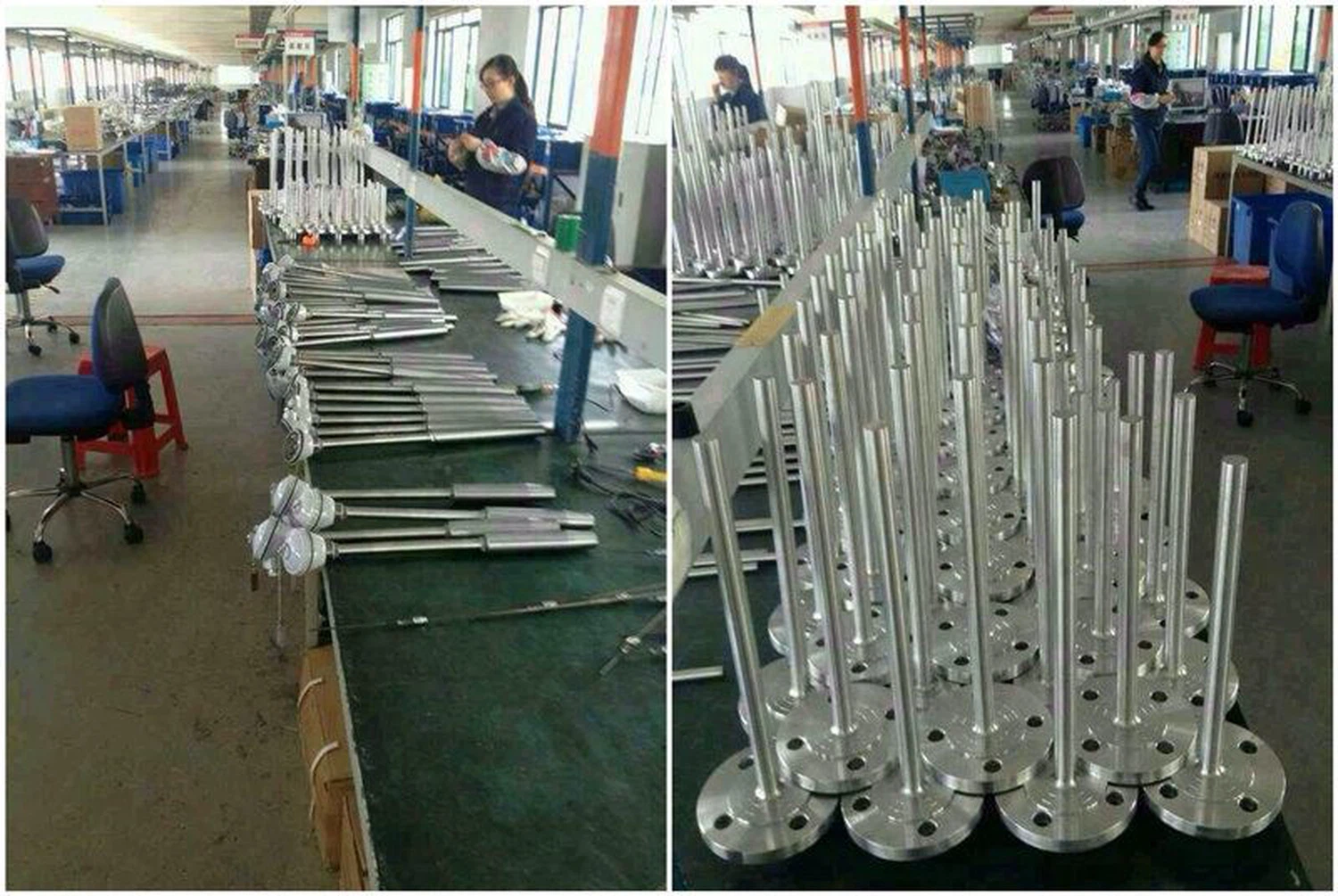
After years of independent research and development, Haichen now has strong production capacity, large production scale, advanced testing equipment, and a professional technical team.
QC
Strictly tested and inspected before shipment. Organize shipments with long-term freight forwarders, which are reliable and cheap.
Customer service
After shipment, we can notify customers of the tracking number so that customers can track the goods in time. If there are any problems with the product during use, you can contact us at any time by email or phone. We can try to resolve the issue within 24 hours.
What is Temperature Gauge
Industrial thermometers can accurately measure temperatures in industrial processes. Available in a wide range of models, the industrial thermometers can withstand the toughest environments and offer several advantages from vibration resistance, ease of reading the dials and hermetically sealed cases that will prevent the entry of moisture. Industrial thermometers are made from different durable materials like brass, carbon steel or stainless steel to protect the sensors and to enable accurate and precise temperature measurement.