

As a supplier of Terminal Heads, I've often been asked about the feasibility of using these components in aerospace applications. In this blog post, I'll delve into the technical aspects, advantages, challenges, and overall potential of Terminal Heads in the aerospace industry.
Technical Requirements in Aerospace
Aerospace applications demand the highest level of reliability, precision, and durability. Components used in aircraft, satellites, and space probes must withstand extreme conditions, including wide temperature variations, high levels of vibration, and intense radiation. For example, during a space mission, a satellite may experience temperatures ranging from -200°C in the shadow of the Earth to over 100°C when directly exposed to the sun. Additionally, the vibrations during take - off and landing in an aircraft can be extremely intense, which can cause mechanical stress on components.
Features of Terminal Heads
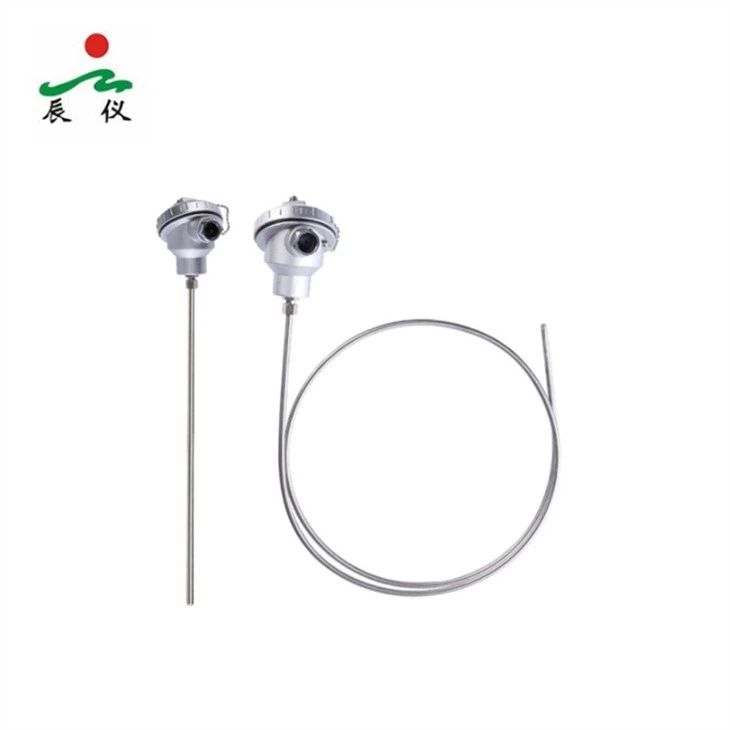
Terminal Heads are designed to provide a secure and organized connection point for electrical wires and sensors. They come in various types, such as the KNE Thermocouple Head, CT6 Explosion Proof Thermocouple Head, and DANA Thermocouple Head. These heads are typically made of high - quality materials like stainless steel or aluminum, which offer good corrosion resistance and mechanical strength.
The KNE Thermocouple Head is known for its precision in temperature sensing. It can accurately measure temperature changes, which is crucial in aerospace applications where temperature control is essential for the proper functioning of various systems. The CT6 Explosion Proof Thermocouple Head, on the other hand, is designed to prevent explosions in potentially hazardous environments. This feature can be valuable in aerospace applications where there may be a risk of flammable gases or vapors. The DANA Thermocouple Head offers a compact and lightweight design, which is highly desirable in aerospace where weight reduction is a key factor for fuel efficiency and overall performance.
Advantages of Using Terminal Heads in Aerospace
1. Electrical Connection Integrity
In aerospace, maintaining a stable electrical connection is of utmost importance. Terminal Heads provide a secure and reliable way to connect wires and sensors. They prevent loose connections, which can lead to electrical failures, signal interference, and even system malfunctions. For example, in an aircraft's avionics system, a single loose connection in a sensor circuit can cause inaccurate readings, which may compromise the safety of the flight.
2. Protection of Components
Terminal Heads can protect internal components from environmental factors such as dust, moisture, and debris. In the aerospace environment, these contaminants can cause corrosion and damage to electrical components. By enclosing the connection points, Terminal Heads help to extend the lifespan of the connected sensors and wires.
3. Ease of Installation and Maintenance
The design of Terminal Heads allows for relatively easy installation and maintenance. In an aerospace setting, where time is often of the essence, quick and straightforward installation can save valuable resources. Moreover, during maintenance, easy access to the connection points simplifies troubleshooting and repair processes.
Challenges and Limitations
1. Extreme Environmental Conditions
Although Terminal Heads are designed to be robust, the extreme environmental conditions in aerospace can still pose challenges. For instance, the high - energy radiation in space can degrade the insulation materials used in Terminal Heads over time. This can lead to electrical leakage and reduced performance. Additionally, the rapid temperature changes can cause thermal expansion and contraction, which may stress the mechanical structure of the Terminal Heads.
2. Weight and Size Constraints
Aerospace applications have strict weight and size limitations. While some Terminal Heads, like the DANA Thermocouple Head, are relatively lightweight and compact, further optimization may be required to meet the stringent requirements of certain aerospace projects. Every additional gram of weight can have a significant impact on the fuel consumption and overall performance of an aircraft or satellite.
3. Certification and Compliance
The aerospace industry is highly regulated, and components must meet a variety of certification standards. Terminal Heads need to comply with standards such as those set by the Federal Aviation Administration (FAA) in the United States or the European Union Aviation Safety Agency (EASA). Obtaining these certifications can be a time - consuming and costly process.

Case Studies and Applications
1. Aircraft Temperature Monitoring
In modern aircraft, temperature monitoring is crucial for the proper functioning of engines, hydraulic systems, and avionics. Terminal Heads can be used to connect thermocouples and other temperature sensors to the monitoring systems. For example, in an aircraft engine, the KNE Thermocouple Head can accurately measure the temperature of the exhaust gases. This data is then used to optimize the engine's performance and ensure its safe operation.
2. Satellite Instrumentation
Satellites are equipped with a wide range of instruments for scientific research, communication, and Earth observation. Terminal Heads can be used to connect these instruments to the satellite's power and data systems. The compact and lightweight design of the DANA Thermocouple Head makes it suitable for use in satellites, where space is limited.
Future Prospects
With the continuous advancement of materials science and manufacturing technology, the performance of Terminal Heads is expected to improve further. New materials with better radiation resistance and thermal stability can be developed to overcome the challenges posed by the aerospace environment. Additionally, miniaturization techniques can be used to reduce the size and weight of Terminal Heads even more, making them more suitable for aerospace applications.
Conclusion
In conclusion, Terminal Heads have significant potential for use in aerospace applications. Their ability to provide secure electrical connections, protect components, and offer ease of installation and maintenance makes them attractive for use in various aerospace systems. However, challenges such as extreme environmental conditions, weight and size constraints, and certification requirements need to be addressed.
If you are interested in exploring the use of Terminal Heads in your aerospace projects, I invite you to reach out for a detailed discussion. We can work together to find the most suitable Terminal Head solutions for your specific needs.
References
- "Aerospace Electrical Systems Handbook", Third Edition, by John A. Parker.
- "Temperature Measurement in Aerospace Applications", Journal of Aerospace Engineering, Volume 25, Issue 3.
- "Design and Testing of Terminal Heads for Harsh Environments", Proceedings of the International Conference on Aerospace Materials and Components.
