

As a reputable supplier of bimetal thermometers, I understand the critical importance of ensuring these instruments function accurately. Bimetal thermometers are widely used in various industries due to their reliability, simplicity, and cost - effectiveness. In this blog, I'll share some practical methods to check if a bimetal thermometer is working properly.
Visual Inspection
The first step in checking a bimetal thermometer is a thorough visual inspection. A well - functioning thermometer should have a clear and undamaged scale. Look for any signs of cracks, scratches, or fogging on the glass or plastic cover. These issues can not only make it difficult to read the temperature but may also indicate internal damage.
Check the pointer of the thermometer. It should move smoothly along the scale without any jerks or sticking points. A bent or misaligned pointer can lead to inaccurate readings. Also, examine the case of the thermometer for any signs of corrosion or physical damage. If the case is damaged, it may expose the internal components to the environment, affecting the thermometer's performance.
Comparison with a Known Standard
One of the most reliable ways to check the accuracy of a bimetal thermometer is to compare its readings with a known standard. You can use a calibrated reference thermometer, such as a digital thermometer with a high level of accuracy.
Place both the bimetal thermometer and the reference thermometer in the same temperature environment. This could be a water bath, an oven, or a freezer, depending on the temperature range you want to test. Make sure both thermometers are fully immersed or placed in the same position within the temperature - controlled environment.
Wait for a sufficient amount of time to allow the thermometers to reach thermal equilibrium. This usually takes several minutes. Then, compare the readings of the bimetal thermometer and the reference thermometer. If the difference between the two readings is within the acceptable tolerance range specified by the manufacturer, the bimetal thermometer is considered accurate. For example, if the manufacturer states a tolerance of ±1°C, and the difference between the two readings is less than 1°C, the thermometer is working properly.
Ice - Point Test
The ice - point test is a simple and effective method to check the accuracy of a bimetal thermometer at the freezing point of water, which is 0°C (32°F) at standard atmospheric pressure.
Fill a container with crushed ice and add a small amount of water to create a slushy mixture. Make sure the ice is pure and free from any contaminants. Insert the sensing end of the bimetal thermometer into the ice - water mixture, ensuring that it is fully submerged but not touching the bottom or sides of the container.
Allow the thermometer to stabilize for a few minutes. The reading on the thermometer should be close to 0°C (32°F). If the reading deviates significantly from this value, the thermometer may need calibration or replacement.
Boiling - Point Test
Similar to the ice - point test, the boiling - point test checks the accuracy of the thermometer at the boiling point of water, which is 100°C (212°F) at standard atmospheric pressure.
Fill a pot with water and bring it to a rolling boil. Insert the sensing end of the bimetal thermometer into the boiling water, being careful not to touch the bottom or sides of the pot. Make sure the thermometer is fully immersed in the water.
Wait for the thermometer reading to stabilize. The reading should be close to 100°C (212°F). If there is a significant difference between the reading and the expected value, the thermometer may be inaccurate.
Response Time Test
The response time of a bimetal thermometer is an important factor, especially in applications where rapid temperature changes occur. To test the response time, you can use a hot or cold source and measure how quickly the thermometer reaches a stable reading.
For example, you can use a hot plate to heat a small amount of water. Insert the bimetal thermometer into the cold water and record the initial reading. Then, place the container with the water on the hot plate and start a timer. Observe how long it takes for the thermometer reading to reach a stable value close to the actual temperature of the boiling water.
A fast - responding thermometer will reach a stable reading within a relatively short period. If the thermometer takes an unusually long time to respond, it may have a slow - acting bimetal element, which can be a problem in applications where real - time temperature monitoring is required.
Checking Different Types of Bimetal Thermometers
We offer a variety of bimetal thermometers, each with its own unique features. For instance, the Back Connection Bimetal Thermometer is designed for specific installation requirements. When checking this type of thermometer, pay special attention to the connection part. Make sure it is properly attached and sealed to prevent any leakage or damage.
The Bimetal Thermometer With Sanitary Flange is commonly used in the food and beverage industry. In addition to the standard checks, ensure that the sanitary flange is clean and free from any debris that could affect the thermometer's performance or contaminate the product.

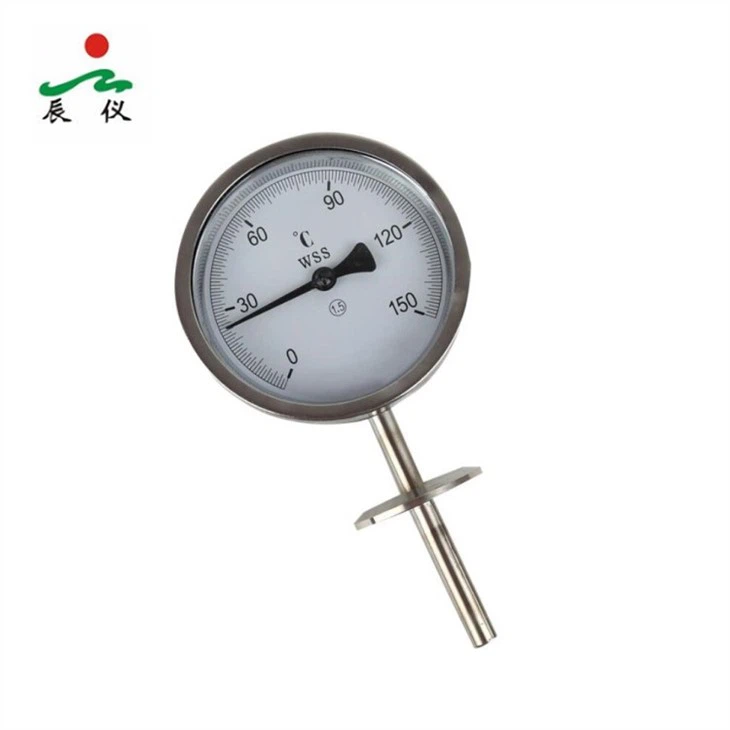
The Adjustable Angle Bimetal Thermometer provides flexibility in installation. Check the adjustability mechanism to make sure it can be easily adjusted to the desired angle and that the adjustment does not affect the accuracy of the temperature reading.
Conclusion
Ensuring the proper functioning of bimetal thermometers is crucial for accurate temperature measurement in various industries. By performing visual inspections, comparing with known standards, conducting ice - point and boiling - point tests, and checking the response time, you can effectively determine if a bimetal thermometer is working correctly.
If you are in need of high - quality bimetal thermometers or have any questions about thermometer calibration and testing, feel free to reach out to us. Our team of experts is ready to assist you in finding the right solution for your temperature measurement needs.
References
- ASTM International. (Year). Standard Test Methods for Thermometers. ASTM Publication.
- Manufacturer's manuals for bimetal thermometers.
