

Silicon nitride tubes are remarkable engineering materials known for their exceptional properties, which make them suitable for a wide range of applications, particularly in harsh chemical environments. As a supplier of Silicon Nitride Tube, I am often asked about the acids that these tubes can resist. In this blog post, I will delve into the chemical resistance of silicon nitride tubes against various acids, providing a detailed analysis based on scientific research and practical experience.
Understanding Silicon Nitride
Silicon nitride (Si₃N₄) is a high-performance ceramic material that exhibits excellent mechanical, thermal, and chemical properties. It has high hardness, good wear resistance, and outstanding thermal shock resistance. These properties are attributed to its strong covalent bonds and unique crystal structure. The chemical resistance of silicon nitride is also a key factor in its widespread use in chemical processing, semiconductor manufacturing, and other industries where exposure to corrosive substances is common.
Resistance to Inorganic Acids
Hydrochloric Acid (HCl)
Hydrochloric acid is a strong, highly corrosive acid commonly used in industrial processes such as metal pickling, ore processing, and chemical synthesis. Silicon nitride tubes show good resistance to hydrochloric acid at room temperature and low concentrations. The surface of the silicon nitride forms a passive layer that protects it from further attack by the acid. However, at high temperatures and high acid concentrations, the corrosion rate may increase. For example, in a 10% HCl solution at room temperature, silicon nitride tubes can maintain their integrity for an extended period. But in a concentrated HCl solution (e.g., 37%) at elevated temperatures (above 80°C), some surface degradation may occur over time.
Sulfuric Acid (H₂SO₄)
Sulfuric acid is another strong acid widely used in various industries, including fertilizer production, petroleum refining, and battery manufacturing. Silicon nitride tubes have relatively good resistance to dilute sulfuric acid. At low concentrations (e.g., less than 10%) and moderate temperatures (below 60°C), the silicon nitride surface remains stable. However, concentrated sulfuric acid is more aggressive. At high concentrations (e.g., 98%) and elevated temperatures, sulfuric acid can react with silicon nitride, leading to the formation of silicon dioxide and other reaction products. The reaction rate depends on factors such as temperature, acid concentration, and the duration of exposure.
Nitric Acid (HNO₃)
Nitric acid is a strong oxidizing acid used in the production of fertilizers, explosives, and dyes. Silicon nitride tubes have limited resistance to nitric acid, especially at high concentrations and elevated temperatures. Nitric acid can oxidize the silicon nitride surface, causing corrosion and degradation. In general, exposure to concentrated nitric acid (e.g., 68%) at temperatures above 50°C can lead to significant damage to the silicon nitride tube. However, at low concentrations and room temperature, the corrosion rate is relatively slow.

Resistance to Organic Acids
Acetic Acid (CH₃COOH)
Acetic acid is a common organic acid used in the production of vinegar, plastics, and solvents. Silicon nitride tubes have good resistance to acetic acid at low concentrations and room temperature. The acid has a relatively low reactivity with silicon nitride, and the tubes can maintain their mechanical and chemical properties over a long period. However, at high concentrations and elevated temperatures, the corrosion rate may increase slightly. For example, in a concentrated acetic acid solution (e.g., 99%) at temperatures above 80°C, some surface etching may occur.
Citric Acid (C₆H₈O₇)
Citric acid is a weak organic acid widely used in the food, beverage, and pharmaceutical industries. Silicon nitride tubes are highly resistant to citric acid. Even at high concentrations and elevated temperatures, the acid has little effect on the silicon nitride surface. This makes silicon nitride tubes suitable for applications in the food and beverage industry, where they can be used for temperature sensing and other purposes in contact with citric acid-containing solutions.
Factors Affecting Acid Resistance
Several factors can affect the acid resistance of silicon nitride tubes. These include:
- Temperature: Higher temperatures generally increase the reaction rate between the acid and the silicon nitride. As the temperature rises, the kinetic energy of the acid molecules increases, making them more likely to react with the silicon nitride surface.
- Acid Concentration: Higher acid concentrations also increase the corrosion rate. Concentrated acids have a greater number of reactive molecules, which can more easily attack the silicon nitride surface.
- Exposure Time: The longer the silicon nitride tube is exposed to the acid, the more likely it is to experience corrosion. Prolonged exposure allows the acid to penetrate the surface and cause more significant damage.
- Surface Finish: A smooth surface finish can improve the acid resistance of silicon nitride tubes. A rough surface provides more sites for acid attack, while a smooth surface reduces the contact area between the acid and the tube.
Comparison with Other Materials
When considering the acid resistance of silicon nitride tubes, it is useful to compare them with other materials commonly used in similar applications. For example, Alundum Ceramic Tube is another type of ceramic tube that is often used in high-temperature and corrosive environments. While alundum ceramic tubes have good resistance to some acids, they may not be as resistant as silicon nitride tubes in certain situations. Silicon nitride tubes generally have better mechanical properties and thermal shock resistance, which can make them more suitable for applications where the tube is subjected to mechanical stress and rapid temperature changes.
Another alternative is Drilled Bar Stock Thermowell, which is typically made of metal. Metal thermowells may have good resistance to some acids, but they are more prone to corrosion and may not be suitable for use in highly corrosive environments. Silicon nitride tubes, on the other hand, offer excellent chemical resistance and can withstand a wider range of acids and operating conditions.
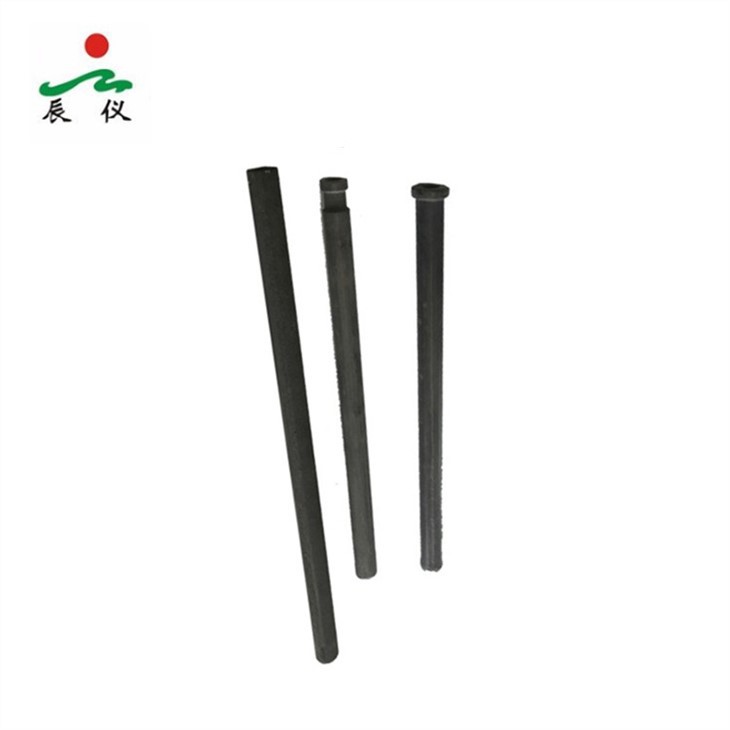
Applications of Acid-Resistant Silicon Nitride Tubes
The acid resistance of silicon nitride tubes makes them suitable for a variety of applications, including:
- Chemical Processing: Silicon nitride tubes can be used in chemical reactors, distillation columns, and other equipment where they are exposed to corrosive acids. They can provide reliable temperature measurement and protection for sensors in these harsh environments.
- Semiconductor Manufacturing: In the semiconductor industry, silicon nitride tubes are used for temperature sensing and protection in processes such as chemical vapor deposition (CVD) and etching. The tubes can withstand the corrosive chemicals used in these processes and ensure accurate temperature control.
- Food and Beverage Industry: As mentioned earlier, silicon nitride tubes are resistant to citric acid and other organic acids commonly found in the food and beverage industry. They can be used for temperature measurement in food processing equipment, such as fermenters and pasteurizers.
Conclusion
Silicon nitride tubes offer excellent acid resistance in a wide range of applications. While they are not completely immune to corrosion by all acids, they can withstand many common acids at low to moderate concentrations and temperatures. The acid resistance of silicon nitride tubes is influenced by factors such as temperature, acid concentration, exposure time, and surface finish. When compared to other materials, silicon nitride tubes have several advantages, including better mechanical properties and thermal shock resistance.
If you are in need of high-quality silicon nitride tubes for your acid-resistant applications, I encourage you to contact us for further discussion and potential procurement. We are committed to providing the best products and services to meet your specific needs.
References
- "Handbook of Advanced Ceramics: Materials, Applications, Processing, and Properties" by Jun Li and Xiaodong Li
- "Ceramic Materials: Science and Engineering" by W. Donald Kingery, Herbert K. Bowen, and David R. Uhlmann
- "Chemical Resistance of Advanced Ceramics" by the American Ceramic Society
