

Alundum ceramic tubes are renowned for their outstanding performance in a wide range of industrial applications. As a leading supplier of Alundum Ceramic Tube, I am often asked about the chemical resistance of these remarkable products. In this blog post, I will delve into the chemical resistance of Alundum ceramic tubes, exploring their properties, applications, and advantages.
Understanding Alundum Ceramic Tubes
Alundum ceramic tubes are primarily composed of aluminum oxide (Al₂O₃), which is known for its high hardness, excellent thermal stability, and remarkable chemical resistance. These tubes are manufactured using advanced ceramic processing techniques, resulting in a dense, uniform structure that offers superior performance in harsh environments.
The high purity of aluminum oxide in Alundum ceramic tubes contributes to their exceptional chemical resistance. Aluminum oxide is a chemically inert material, which means it is resistant to corrosion and chemical attack from a wide range of substances, including acids, alkalis, and organic solvents. This makes Alundum ceramic tubes an ideal choice for applications where exposure to corrosive chemicals is a concern.
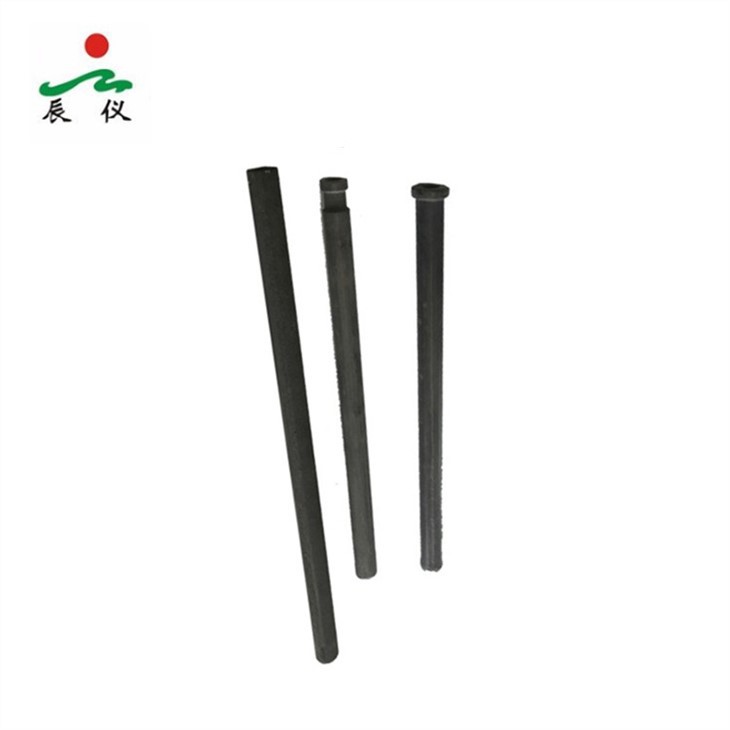
Chemical Resistance of Alundum Ceramic Tubes
One of the key advantages of Alundum ceramic tubes is their excellent chemical resistance. These tubes can withstand exposure to a variety of chemicals without undergoing significant degradation or corrosion. Here are some of the common chemicals and substances that Alundum ceramic tubes can resist:
Acids
Alundum ceramic tubes exhibit excellent resistance to many acids, including hydrochloric acid (HCl), sulfuric acid (H₂SO₄), and nitric acid (HNO₃). In fact, they can withstand exposure to concentrated acids at elevated temperatures without suffering from corrosion or chemical attack. This makes them suitable for use in chemical processing industries, where acids are commonly used in various manufacturing processes.
Alkalis
Similarly, Alundum ceramic tubes are highly resistant to alkalis, such as sodium hydroxide (NaOH) and potassium hydroxide (KOH). They can withstand exposure to strong alkaline solutions without experiencing any significant degradation or corrosion. This property makes them ideal for applications in industries such as pulp and paper, where alkalis are used in the production process.

Organic Solvents
Alundum ceramic tubes also exhibit good resistance to a wide range of organic solvents, including alcohols, ketones, and hydrocarbons. They can withstand exposure to these solvents without swelling, dissolving, or undergoing any other form of chemical attack. This makes them suitable for use in applications where organic solvents are used, such as in the pharmaceutical and chemical industries.
Oxidizing Agents
In addition to acids, alkalis, and organic solvents, Alundum ceramic tubes are also resistant to oxidizing agents, such as hydrogen peroxide (H₂O₂) and chlorine (Cl₂). They can withstand exposure to these agents without undergoing oxidation or corrosion. This property makes them suitable for use in applications where oxidation is a concern, such as in water treatment and disinfection processes.
Factors Affecting Chemical Resistance
While Alundum ceramic tubes offer excellent chemical resistance, several factors can affect their performance in a chemical environment. These factors include:
Temperature
The temperature at which the Alundum ceramic tube is exposed to chemicals can have a significant impact on its chemical resistance. Generally, higher temperatures can accelerate chemical reactions and increase the rate of corrosion. Therefore, it is important to consider the operating temperature when selecting an Alundum ceramic tube for a specific application.
Concentration
The concentration of the chemical substance can also affect the chemical resistance of Alundum ceramic tubes. Higher concentrations of chemicals can increase the rate of corrosion and degradation. Therefore, it is important to ensure that the Alundum ceramic tube is compatible with the concentration of the chemical substance it will be exposed to.
Duration of Exposure
The duration of exposure to chemicals can also affect the chemical resistance of Alundum ceramic tubes. Prolonged exposure to chemicals can increase the likelihood of corrosion and degradation. Therefore, it is important to consider the expected duration of exposure when selecting an Alundum ceramic tube for a specific application.

Applications of Alundum Ceramic Tubes
The excellent chemical resistance of Alundum ceramic tubes makes them suitable for a wide range of applications in various industries. Some of the common applications of Alundum ceramic tubes include:
Chemical Processing
In the chemical processing industry, Alundum ceramic tubes are used in various applications, such as in reactors, heat exchangers, and piping systems. Their excellent chemical resistance allows them to withstand exposure to corrosive chemicals and high temperatures, making them ideal for use in these harsh environments.
Semiconductor Manufacturing
In the semiconductor manufacturing industry, Alundum ceramic tubes are used in applications such as diffusion furnaces, epitaxial reactors, and plasma etching chambers. Their high purity and excellent chemical resistance make them suitable for use in these high-tech applications, where even the slightest contamination can have a significant impact on the performance of the semiconductor devices.
Glass and Metallurgy
In the glass and metallurgy industries, Alundum ceramic tubes are used in applications such as melting furnaces, ladles, and crucibles. Their high thermal stability and excellent chemical resistance allow them to withstand the high temperatures and corrosive environments encountered in these industries.
Environmental Monitoring
In the environmental monitoring industry, Alundum ceramic tubes are used in applications such as gas sensors and analyzers. Their excellent chemical resistance allows them to withstand exposure to various gases and pollutants, making them ideal for use in these applications.
Comparison with Other Materials
When it comes to chemical resistance, Alundum ceramic tubes offer several advantages over other materials. For example, compared to metal tubes, Alundum ceramic tubes are more resistant to corrosion and chemical attack. They are also more thermally stable and can withstand higher temperatures without deforming or melting.
Compared to plastic tubes, Alundum ceramic tubes are more chemically resistant and can withstand exposure to a wider range of chemicals. They are also more durable and can withstand higher pressures and mechanical stresses.
In addition to Alundum Ceramic Tube, we also offer other types of protection tubes, such as Silicon Nitride Tube and Drilled Bar Stock Thermowell. Each of these products has its own unique properties and advantages, and our team of experts can help you select the right product for your specific application.
Conclusion
In conclusion, Alundum ceramic tubes offer excellent chemical resistance, making them an ideal choice for a wide range of applications in various industries. Their high purity, dense structure, and exceptional thermal stability allow them to withstand exposure to a variety of chemicals and high temperatures without undergoing significant degradation or corrosion.
If you are looking for a reliable supplier of Alundum ceramic tubes, look no further. We are committed to providing our customers with high-quality products and excellent customer service. Whether you need a standard Alundum ceramic tube or a custom-designed solution, our team of experts can help you find the right product for your specific application.
Contact us today to learn more about our Alundum ceramic tubes and how they can benefit your business. We look forward to working with you!
References
- "Ceramic Materials: Properties and Applications." ASM Handbook, Volume 21: Composites, ASM International, 2001.
- "Aluminum Oxide Ceramics: Properties, Processing, and Applications." John Wiley & Sons, Inc., 2005.
- "Chemical Resistance of Ceramic Materials." Journal of the American Ceramic Society, Vol. 88, No. 11, 2005.
