

Hey there! As a supplier of C Type Thermocouples, I often get asked if these bad boys can be used in industrial furnaces. Well, let's dig into this topic and find out if a C type thermocouple is the right fit for your industrial furnace needs.
First off, let's talk a bit about what a C type thermocouple is. A C type thermocouple, also known as a tungsten - rhenium thermocouple, is a high - temperature sensor. It's made up of a tungsten - 5% rhenium alloy and a tungsten - 26% rhenium alloy. This combination gives it some pretty impressive heat - handling capabilities. You can learn more about Tungsten Rhenium Thermocouple on our website.

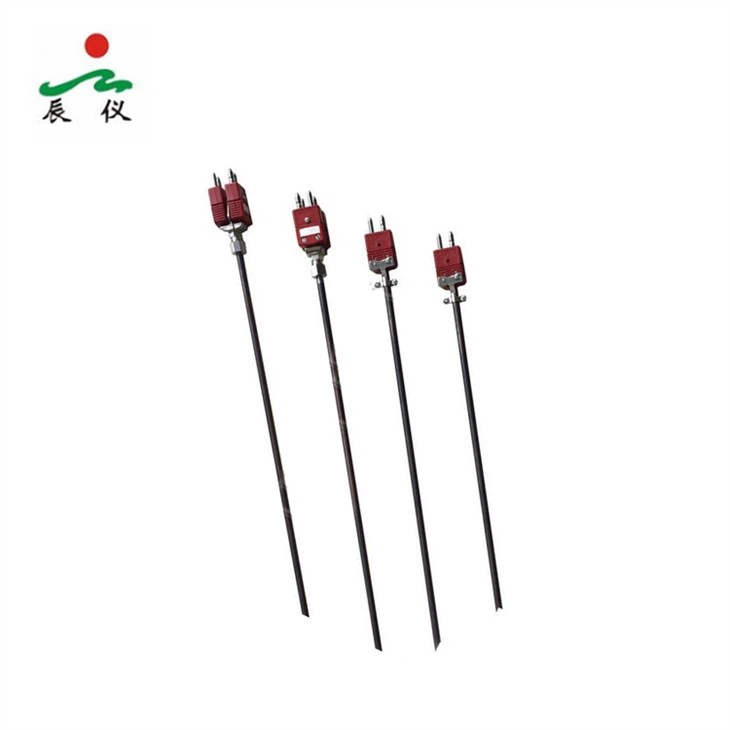
Industrial furnaces are used in a whole bunch of industries, like metalworking, ceramics, and glass manufacturing. They operate at really high temperatures, sometimes reaching up to 2800°C. That's seriously hot! So, the thermocouple you use in an industrial furnace needs to be able to withstand these extreme conditions.
One of the biggest advantages of using a C type thermocouple in an industrial furnace is its high - temperature range. It can measure temperatures from about 0°C up to 2320°C in an inert or reducing atmosphere. This makes it ideal for applications where other types of thermocouples would just give up. For example, Type S R B Thermocouple has a lower maximum temperature range compared to the C type.
Another great thing about C type thermocouples is their fast response time. In an industrial furnace, you need to be able to quickly and accurately measure the temperature to ensure the quality of your products. The C type thermocouple can do this job well, giving you real - time temperature readings so you can make adjustments as needed.
However, there are also some challenges when using a C type thermocouple in an industrial furnace. One of the main issues is oxidation. Tungsten and rhenium alloys are prone to oxidation in the presence of oxygen. So, if your industrial furnace has an oxidizing atmosphere, the C type thermocouple might not last very long. To overcome this, you can use a protective sheath made of materials like graphite or ceramic. These sheaths can protect the thermocouple from oxidation and extend its lifespan.
Cost is another factor to consider. C type thermocouples are generally more expensive than other types of thermocouples. But when you think about the high - temperature capabilities and fast response time they offer, it might be worth the investment, especially if you're running a high - end industrial furnace operation.
Let's compare C type thermocouples with Small and Laboratory Thermocouples. Small and laboratory thermocouples are usually designed for lower - temperature applications and smaller - scale operations. They might not be able to handle the extreme conditions of an industrial furnace. On the other hand, the C type thermocouple is built tough for the big leagues.
In some industrial furnace applications, the accuracy of temperature measurement is crucial. For example, in the heat - treating of metals, a small difference in temperature can affect the mechanical properties of the metal. The C type thermocouple offers good accuracy in its temperature range, which is a big plus for these types of applications.
When installing a C type thermocouple in an industrial furnace, you need to make sure it's placed correctly. It should be located in a position where it can accurately measure the temperature of the material being processed. Also, proper wiring and grounding are essential to ensure reliable performance.
Maintenance is also an important aspect. Regularly checking the thermocouple for signs of wear and tear, and replacing it when necessary, can help prevent unexpected failures. You should also keep an eye on the protective sheath and replace it if it gets damaged.
So, can a C type thermocouple be used in industrial furnaces? The answer is yes, but with some considerations. If you have an industrial furnace that operates at high temperatures in an inert or reducing atmosphere, and you need accurate and fast temperature measurements, then a C type thermocouple could be a great choice. Just be aware of the oxidation issue and the cost, and take the necessary steps to ensure its proper installation and maintenance.
If you're interested in learning more about C type thermocouples or are thinking about using them in your industrial furnace, I'd love to have a chat with you. We can discuss your specific needs and see if our C type thermocouples are the right fit for your operation. Don't hesitate to reach out to start a conversation about your potential purchase.
References
- "Thermocouple Handbook" by Omega Engineering
- "Industrial Furnace Technology" by ASM International
