

As a supplier of Pt100 thermosensors, I understand the critical role these sensors play in various industries, from industrial manufacturing to scientific research. One of the most common challenges faced when using Pt100 thermosensors is hysteresis, which can significantly affect the accuracy and reliability of temperature measurements. In this blog post, I will share some effective strategies on how to reduce the hysteresis of a Pt100 thermosensor.
Understanding Hysteresis in Pt100 Thermosensors
Before delving into the solutions, it's essential to understand what hysteresis is and how it occurs in Pt100 thermosensors. Hysteresis refers to the phenomenon where the output of a sensor does not follow the same path during the heating and cooling cycles. In the context of Pt100 thermosensors, this means that the resistance of the platinum element may not return to its original value after a temperature change, leading to measurement errors.
There are several factors that can contribute to hysteresis in Pt100 thermosensors. One of the primary causes is the mechanical stress within the sensor. During temperature changes, the platinum element and its surrounding materials expand and contract at different rates, which can create internal stress. Over time, this stress can cause the platinum element to deform slightly, resulting in hysteresis.

Another factor is the aging of the platinum element. As the sensor is exposed to high temperatures and harsh environments, the platinum may undergo chemical and physical changes, such as oxidation and grain growth. These changes can alter the electrical properties of the platinum, leading to hysteresis.
Strategies to Reduce Hysteresis
1. Material Selection and Design Optimization
-
High - Purity Platinum: Using high - purity platinum for the sensing element is crucial. High - purity platinum has fewer impurities, which reduces the likelihood of chemical reactions and physical changes that can cause hysteresis. For example, platinum with a purity of 99.99% or higher is often preferred in high - precision thermosensors.
-
Proper Packaging: The packaging of the Pt100 thermosensor can also have a significant impact on hysteresis. The sensor should be encapsulated in a material that has a similar coefficient of thermal expansion to platinum. This helps to minimize the mechanical stress generated during temperature changes. For instance, ceramic or glass materials are commonly used for packaging Pt100 thermosensors due to their good thermal stability and similar expansion characteristics.
-
Design for Stress Relief: The sensor design should incorporate features that allow for stress relief. For example, using a flexible support structure for the platinum element can help to absorb the mechanical stress caused by thermal expansion and contraction. This can prevent the platinum element from being deformed, thereby reducing hysteresis.
2. Temperature Cycling and Annealing
- Temperature Cycling: Subjecting the Pt100 thermosensor to a series of temperature cycles during the manufacturing process can help to reduce hysteresis. This process, known as pre - conditioning, allows the sensor to stabilize and relieves any internal stress. By cycling the sensor between different temperature ranges, the mechanical stress within the sensor is gradually released, and the platinum element can reach a more stable state.
- Annealing: Annealing is a heat treatment process that involves heating the platinum element to a high temperature and then slowly cooling it. This process can help to eliminate internal stress and restore the crystal structure of the platinum. Annealing can be performed at different stages of the manufacturing process, such as after the platinum element is formed or after the sensor is packaged.
3. Calibration and Compensation
- Regular Calibration: Regular calibration of the Pt100 thermosensor is essential to ensure accurate temperature measurements. Calibration involves comparing the sensor's output with a known reference temperature source and adjusting the sensor's parameters accordingly. By calibrating the sensor at regular intervals, any hysteresis - related errors can be detected and corrected.
- Hysteresis Compensation Algorithms: In addition to calibration, hysteresis compensation algorithms can be used to further improve the accuracy of the sensor. These algorithms analyze the sensor's output during heating and cooling cycles and apply a correction factor to compensate for the hysteresis. For example, a polynomial or linear regression model can be used to estimate the hysteresis error and adjust the temperature measurement accordingly.
4. Environmental Control
- Temperature Range Limitation: Operating the Pt100 thermosensor within its specified temperature range can help to reduce hysteresis. Exceeding the recommended temperature range can accelerate the aging process of the platinum element and increase the mechanical stress within the sensor. Therefore, it's important to select a Pt100 thermosensor with a temperature range that is suitable for the application.
- Protection from Harsh Environments: Protecting the sensor from harsh environments, such as high humidity, corrosive gases, and dust, can also help to reduce hysteresis. For example, using a protective coating or housing can prevent the platinum element from being exposed to these harmful substances, which can cause chemical and physical changes.
Our Product Offerings
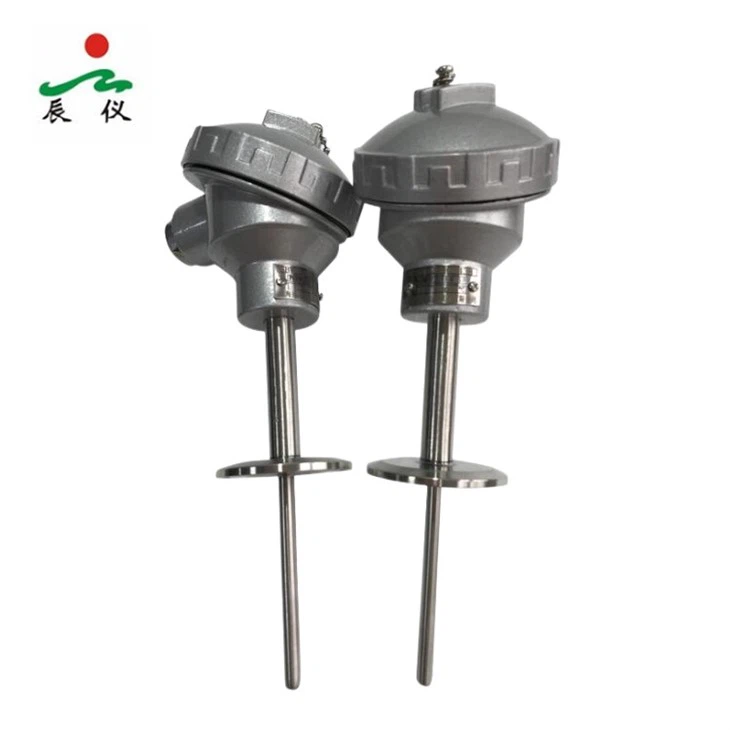
As a Pt100 thermosensor supplier, we offer a wide range of high - quality sensors designed to minimize hysteresis. Our Pt100 Platinum Temperature Sensors are made from high - purity platinum and are carefully packaged to ensure optimal performance. We also offer Pt1000 Resistance Temperature Detector for applications that require higher sensitivity. In addition, our Sanitary RTD Probe is suitable for use in the food and beverage industry, where hygiene and accuracy are of utmost importance.
Conclusion
Reducing the hysteresis of a Pt100 thermosensor is a complex but achievable goal. By carefully selecting materials, optimizing the design, performing proper pre - conditioning, and implementing calibration and compensation techniques, we can significantly reduce the hysteresis and improve the accuracy and reliability of the sensor.
If you are looking for high - quality Pt100 thermosensors with low hysteresis for your application, please feel free to contact us for more information and to discuss your specific requirements. We are committed to providing you with the best solutions to meet your temperature measurement needs.
References
- R. P. Reed, "Temperature Measurement with Platinum Resistance Thermometers", CRC Press, 1995.
- J. G. Webster, "The Measurement, Instrumentation, and Sensors Handbook", CRC Press, 2015.
- International Electrotechnical Commission (IEC) standards related to resistance temperature detectors.
