

Hey there! As a supplier of PT100 Ceramic Elements, I often get asked if these little wonders can handle corrosive environments. It's a super important question, especially for industries where corrosion is a real headache. So, let's dive right in and explore this topic together.
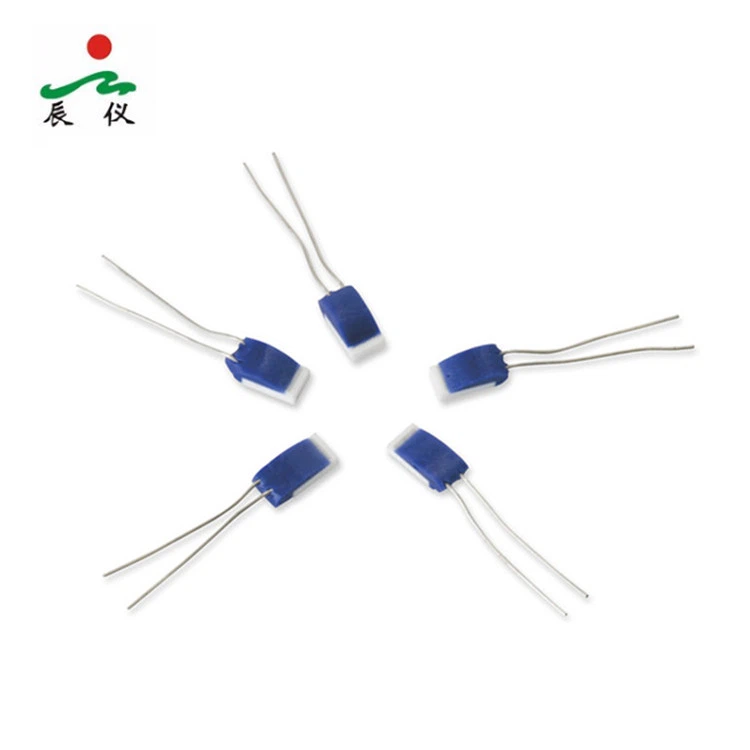
First off, let's quickly go over what a PT100 Ceramic Element is. It's a type of temperature sensor that uses a platinum resistance element inside a ceramic housing. The PT100 part means that at 0°C, the resistance of the platinum element is 100 ohms. And as the temperature changes, the resistance changes in a very predictable way, allowing us to accurately measure temperature.
Now, when it comes to corrosive environments, things get a bit tricky. Corrosion is basically the deterioration of a material due to chemical reactions with its surroundings. This can be caused by all sorts of things, like acids, alkalis, salts, and even just moisture in the air. And if a PT100 Ceramic Element is exposed to these corrosive agents, it can affect its performance and lifespan.
The ceramic housing of a PT100 element is one of its strong points. Ceramics are generally quite resistant to corrosion because they are made up of inorganic materials that don't react easily with most chemicals. This means that in many cases, the ceramic can provide a good level of protection for the platinum element inside. However, it's not invincible.
Some extremely aggressive chemicals can still attack the ceramic. For example, hydrofluoric acid is a big no - no. It can react with the silica in the ceramic, breaking down its structure over time. Strong alkalis can also cause problems, especially if they are at high concentrations and temperatures. So, if your environment has these kinds of chemicals, you need to be extra careful.
The platinum element itself is also relatively resistant to corrosion. Platinum is a noble metal, which means it doesn't corrode easily. But again, there are exceptions. In some environments with high concentrations of certain oxidizing agents, the platinum can start to react. For instance, in a solution containing aqua regia (a mixture of nitric acid and hydrochloric acid), platinum will dissolve.
But here's the good news. In a lot of common corrosive environments, a well - designed PT100 Ceramic Element can work just fine. For example, in mildly acidic or alkaline solutions, or in environments with salt spray (like near the ocean), the ceramic and platinum combination can withstand the conditions for a long time.

If you're dealing with a more challenging corrosive environment, there are some things you can do. One option is to use a protective coating on the PT100 element. There are various types of coatings available, such as PTFE (Teflon) coatings. These coatings can provide an extra layer of protection against chemicals. They act as a barrier, preventing the corrosive agents from reaching the ceramic and platinum.
Another option is to choose a different type of sensor altogether. If the corrosion is just too severe for a PT100 Ceramic Element, you might consider a Thin Film Element. These sensors have a different construction and can sometimes offer better resistance in certain corrosive conditions.
Now, let's talk about some specific industries where this matters. In the chemical industry, for example, there are all sorts of corrosive chemicals being used and produced. PT100 Ceramic Elements can be used in some parts of the process, but careful consideration needs to be given to the specific chemicals involved. In the food and beverage industry, there are often cleaning agents that can be corrosive. However, with proper protection, a PT100 element can still be used to monitor temperatures in tanks and pipes.
In the automotive industry, especially in areas near the exhaust system, there are corrosive gases and chemicals. A PT100 Ceramic Element can be used to measure the temperature of various components, but it needs to be protected from the harsh environment. And in the 3D Printer RTD field, although the environment is not as corrosive as some other industries, there can still be small amounts of chemicals and moisture that could potentially affect the sensor over time.
If you're in the market for a temperature sensor for a corrosive environment, a Thermal Resistance Probe with a PT100 Ceramic Element might be a great choice, but you need to assess your specific situation. Look at the chemicals present, the temperature, and the humidity in your environment. If you're not sure, it's always a good idea to consult with an expert.
As a supplier, I've seen many different applications. And I know that choosing the right sensor is crucial for getting accurate temperature measurements and ensuring the long - term reliability of your system. If you think a PT100 Ceramic Element might work for your corrosive environment, but you have questions or need more information, don't hesitate to reach out. I'm here to help you make the best decision for your specific needs. Whether it's about the right coating, the proper installation, or just general advice on using the sensor in a corrosive setting, I've got you covered.
In conclusion, while a PT100 Ceramic Element can be used in some corrosive environments, it's not a one - size - fits - all solution. You need to carefully evaluate your environment and take appropriate measures to protect the sensor. With the right approach, you can get reliable temperature measurements and a long - lasting sensor. So, if you're looking to purchase a PT100 Ceramic Element for your project, get in touch. We can have a detailed discussion about your requirements and find the best solution for you.
References:
- "Handbook of Corrosion Data" by Bruce D. Craig
- "Principles of Temperature Measurement" by Peter H. Beckman
