

As a supplier of Terminal Heads, I often encounter inquiries from customers regarding the environmental requirements for storing these crucial components. Terminal heads play a vital role in various industries, including manufacturing, energy, and automation, by providing a secure and organized connection point for electrical wires and sensors. Ensuring proper storage conditions is essential to maintain their performance, reliability, and longevity. In this blog post, I will delve into the environmental factors that can impact the storage of Terminal Heads and provide guidelines for optimal storage practices.
Temperature Considerations
Temperature is one of the most critical environmental factors that can affect the storage of Terminal Heads. Extreme temperatures, whether too high or too low, can cause physical and chemical changes in the materials used in the Terminal Heads, leading to degradation and potential failure.
- High Temperatures: Exposure to high temperatures can cause the plastic or polymer materials used in Terminal Heads to soften, deform, or even melt. This can compromise the structural integrity of the Terminal Head and affect its ability to provide a secure connection. Additionally, high temperatures can accelerate the oxidation of metal components, leading to corrosion and reduced conductivity. It is recommended to store Terminal Heads in an environment with a temperature range between -20°C to 60°C (-4°F to 140°F) to prevent these issues.
- Low Temperatures: Low temperatures can make the plastic or polymer materials in Terminal Heads brittle, increasing the risk of cracking or breaking during handling or installation. Cold temperatures can also cause the metal components to contract, which may lead to loose connections or poor contact. To avoid these problems, it is advisable to store Terminal Heads in a cool, dry place and avoid exposing them to freezing temperatures.
Humidity and Moisture Control
Humidity and moisture can have a significant impact on the performance and lifespan of Terminal Heads. Excessive moisture can cause corrosion of metal components, oxidation of electrical contacts, and the growth of mold and mildew.
- Corrosion: Moisture can react with the metal components in Terminal Heads, causing them to corrode. Corrosion can reduce the conductivity of the electrical connections, leading to signal loss or failure. To prevent corrosion, it is important to store Terminal Heads in a dry environment with a relative humidity level between 10% and 60%. Desiccants can be used to absorb moisture and maintain a dry storage environment.
- Mold and Mildew Growth: High humidity levels can create a favorable environment for the growth of mold and mildew. Mold and mildew can damage the plastic or polymer materials in Terminal Heads and contaminate the electrical components. To prevent mold and mildew growth, it is recommended to store Terminal Heads in a clean, well-ventilated area and avoid storing them in damp or humid locations.
Dust and Contamination
Dust and other contaminants can accumulate on the surface of Terminal Heads, affecting their performance and reliability. Dust can act as an insulator, reducing the conductivity of the electrical connections, and can also cause mechanical problems by interfering with the movement of moving parts.
- Dust Protection: To prevent dust and contamination from accumulating on Terminal Heads, it is advisable to store them in sealed containers or bags. This can help to keep the Terminal Heads clean and protect them from environmental pollutants. Additionally, it is important to handle Terminal Heads with clean hands and avoid exposing them to dusty or dirty environments.
- Cleaning: If Terminal Heads become contaminated with dust or other pollutants, they should be cleaned using a soft, dry cloth or a mild cleaning solution. Avoid using abrasive materials or harsh chemicals, as these can damage the surface of the Terminal Heads.
Chemical Exposure
Terminal Heads can be exposed to various chemicals in industrial environments, such as solvents, acids, and alkalis. These chemicals can react with the materials used in the Terminal Heads, causing corrosion, degradation, or other damage.
- Chemical Resistance: When selecting Terminal Heads for a specific application, it is important to consider the chemical resistance of the materials used. Some Terminal Heads are designed to be resistant to certain chemicals, while others may require additional protection or coating. It is recommended to consult the manufacturer's specifications or technical data sheets to determine the chemical compatibility of the Terminal Heads.
- Storage in Chemical-Free Environments: To minimize the risk of chemical exposure, it is advisable to store Terminal Heads in a chemical-free environment. Avoid storing Terminal Heads near sources of chemicals or in areas where they may be exposed to chemical spills or fumes.
Vibration and Shock
Vibration and shock can cause mechanical stress on Terminal Heads, leading to loose connections, damaged components, or even failure. In industrial environments, Terminal Heads may be exposed to vibration and shock from machinery, equipment, or transportation.
- Vibration and Shock Resistance: When selecting Terminal Heads for a specific application, it is important to consider the vibration and shock resistance of the design. Some Terminal Heads are designed to be more resistant to vibration and shock, with features such as locking mechanisms, strain relief, and robust construction. It is recommended to consult the manufacturer's specifications or technical data sheets to determine the vibration and shock resistance of the Terminal Heads.
- Proper Storage and Handling: To minimize the risk of vibration and shock damage, it is important to store Terminal Heads in a stable and secure location. Avoid storing Terminal Heads in areas where they may be subjected to excessive vibration or shock, such as near machinery or in transportation vehicles. Additionally, it is important to handle Terminal Heads with care and avoid dropping or mishandling them.
UV Exposure
Ultraviolet (UV) radiation from sunlight can cause the plastic or polymer materials in Terminal Heads to degrade over time. UV exposure can cause the materials to become brittle, discolored, or cracked, leading to reduced performance and reliability.
- UV Resistance: When selecting Terminal Heads for outdoor or exposed applications, it is important to consider the UV resistance of the materials used. Some Terminal Heads are designed to be more resistant to UV radiation, with features such as UV stabilizers or coatings. It is recommended to consult the manufacturer's specifications or technical data sheets to determine the UV resistance of the Terminal Heads.
- Storage in UV-Protected Areas: To minimize the risk of UV exposure, it is advisable to store Terminal Heads in a UV-protected area, such as a storage cabinet or a warehouse. Avoid storing Terminal Heads in direct sunlight or in areas where they may be exposed to UV radiation for extended periods of time.
Conclusion
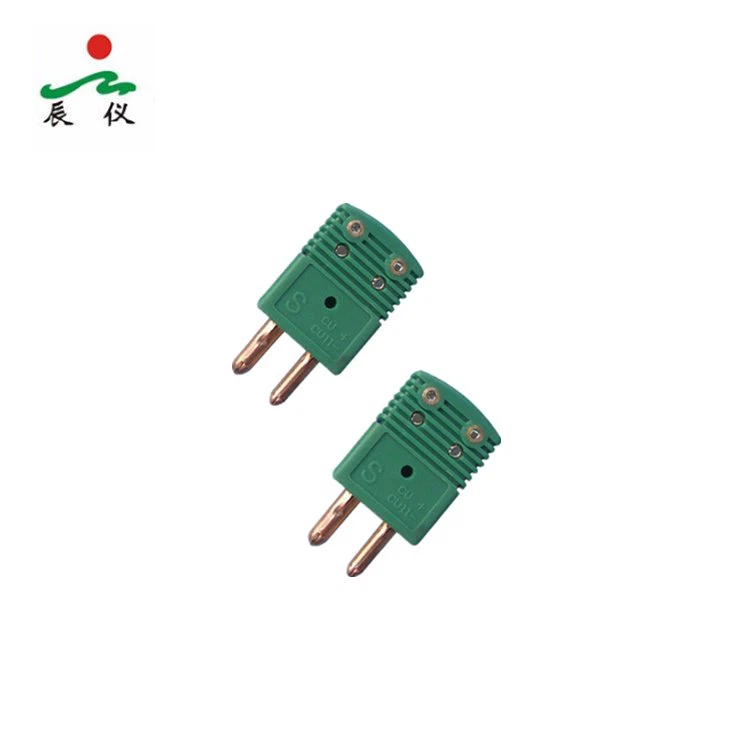
Proper storage of Terminal Heads is essential to maintain their performance, reliability, and longevity. By considering the environmental factors discussed in this blog post, such as temperature, humidity, dust, chemical exposure, vibration, shock, and UV exposure, you can ensure that your Terminal Heads are stored in optimal conditions. As a supplier of Terminal Heads, we offer a wide range of products, including S Type Thermocouple Connector, Mini K Type Connector, and KNE Thermocouple Head, that are designed to meet the highest quality and performance standards. If you have any questions or need further information about the storage requirements for Terminal Heads, please feel free to contact us. We are here to assist you in selecting the right products for your application and providing you with the best possible service.

References
- Manufacturer's specifications and technical data sheets for Terminal Heads.
- Industry standards and guidelines for the storage and handling of electrical components.
- Research studies on the effects of environmental factors on the performance and reliability of Terminal Heads.
