

Hey there! As a supplier of Silicon Nitride Tubes, I often get asked about how these tubes react with sulfur - containing substances. It's a crucial question, especially for industries where sulfur is present in the environment or in the materials being processed. So, let's dive right in and explore this topic.
Understanding Silicon Nitride Tubes
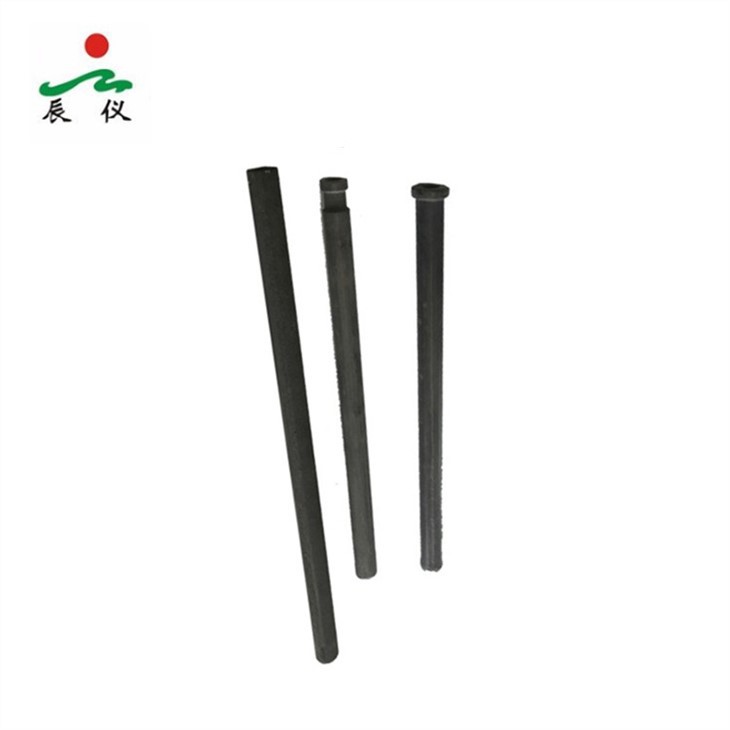
First off, let me give you a bit of background on Silicon Nitride Tubes. They're made from silicon nitride, a ceramic material known for its high strength, excellent thermal shock resistance, and good chemical stability. These tubes are used in a wide range of applications, from high - temperature furnaces to metal melting processes. You can check out more about Silicon Nitride Tube on our website.
The Chemistry Behind the Reaction
Sulfur - containing substances can come in various forms, like sulfur dioxide (SO₂), hydrogen sulfide (H₂S), or elemental sulfur. The reaction between silicon nitride tubes and these substances depends on several factors, such as temperature, pressure, and the concentration of the sulfur - containing compound.
At low temperatures, silicon nitride is relatively inert to sulfur - containing substances. The strong covalent bonds in silicon nitride make it resistant to chemical attack. However, as the temperature rises, things start to get a bit more complicated.
Reaction with Sulfur Dioxide (SO₂)
When silicon nitride tubes are exposed to sulfur dioxide at high temperatures (usually above 800°C), a reaction can occur. The sulfur dioxide can react with the silicon nitride to form silicon dioxide (SiO₂) and nitrogen gas (N₂). The chemical equation for this reaction can be written as:
3Si₃N₄ + 6SO₂ → 9SiO₂+ 6N₂+ 6S
This reaction is an oxidation process, where the sulfur dioxide acts as an oxidizing agent. The formation of silicon dioxide can lead to a change in the properties of the tube. For example, the silicon dioxide layer can increase the brittleness of the tube and reduce its mechanical strength over time.

Reaction with Hydrogen Sulfide (H₂S)
Hydrogen sulfide is another common sulfur - containing substance. At high temperatures, hydrogen sulfide can react with silicon nitride to form silicon sulfide (SiS₂) and ammonia (NH₃). The reaction equation is:
Si₃N₄ + 6H₂S → 3SiS₂+ 4NH₃
Silicon sulfide is a volatile compound, and its formation can cause the surface of the silicon nitride tube to erode. This erosion can lead to a decrease in the thickness of the tube and eventually compromise its integrity.
Reaction with Elemental Sulfur
When silicon nitride tubes come into contact with elemental sulfur at high temperatures, a reaction similar to that with sulfur dioxide can occur. The sulfur can react with the silicon nitride to form silicon sulfide and nitrogen gas. The reaction is:
Si₃N₄ + 6S → 3SiS₂+ 2N₂
This reaction can also cause surface degradation of the tube, which can affect its performance in applications.
Impact on Applications
The reaction between silicon nitride tubes and sulfur - containing substances can have a significant impact on their applications. For example, in the metal smelting industry, where sulfur is often present in the ores, the reaction can lead to premature failure of the tubes. This can result in increased maintenance costs and downtime for the production process.
In high - temperature furnaces used in the chemical industry, the presence of sulfur - containing gases can also cause problems. If the tubes are used to protect thermocouples or other temperature sensors, the reaction can affect the accuracy of the temperature measurements.
However, it's not all bad news. In some cases, the reaction can be controlled or minimized. For example, by using a protective coating on the silicon nitride tube, the contact between the tube and the sulfur - containing substances can be reduced. There are also other types of tubes available, such as Alundum Ceramic Tube and Drilled Bar Stock Thermowell, which may be more suitable for applications with high sulfur content.
Mitigating the Reaction
There are several ways to mitigate the reaction between silicon nitride tubes and sulfur - containing substances. One approach is to control the operating conditions. For example, by keeping the temperature below the critical reaction temperature, the reaction rate can be significantly reduced.
Another method is to use a protective coating on the tube. Coatings made of materials like alumina or zirconia can act as a barrier between the silicon nitride and the sulfur - containing substances. These coatings can prevent the direct contact between the tube and the reactive gases and extend the lifespan of the tube.
Conclusion
In conclusion, the reaction between silicon nitride tubes and sulfur - containing substances is a complex process that depends on various factors. While silicon nitride is relatively inert at low temperatures, it can react with sulfur - containing substances at high temperatures. These reactions can have a negative impact on the properties and performance of the tubes, but there are ways to mitigate these effects.
If you're in an industry where sulfur - containing substances are present and you're considering using silicon nitride tubes, it's important to carefully evaluate the operating conditions and take appropriate measures to protect the tubes. And if you have any questions or need more information about our silicon nitride tubes, don't hesitate to reach out. We're here to help you make the best choice for your application. Whether you need advice on the right tube for your process or want to discuss custom solutions, we're just a message away. Let's have a chat and see how we can work together to meet your needs.
References
- "Ceramics: Structure, Properties, and Processing" by W. D. Kingery, H. K. Bowen, and D. R. Uhlmann
- "High - Temperature Materials and Their Applications" by R. W. Cahn and P. Haasen
