

Hey there! As a supplier of C Type Thermocouples, I've had my fair share of chats with customers about how different factors can impact the performance of these thermocouples. One question that pops up quite often is, "How does the diameter of a C type thermocouple affect its performance?" Well, let's dive right in and break it down.
First off, let's quickly go over what a C type thermocouple is. A C type thermocouple, also known as a Tungsten Rhenium Thermocouple, is designed for high - temperature applications. It's made up of tungsten - rhenium alloys and can measure temperatures up to around 2320°C (4208°F). These thermocouples are widely used in industries like aerospace, metallurgy, and semiconductor manufacturing.
Response Time
One of the most significant ways the diameter affects performance is in the response time. In simple terms, response time is how quickly a thermocouple can detect a change in temperature. A smaller diameter thermocouple generally has a faster response time.
Think of it like this: A thinner thermocouple wire has less mass. When the temperature around it changes, there's less material that needs to heat up or cool down. So, it can reach the new temperature more quickly. For example, if you're measuring the temperature in a rapidly changing environment, like in a combustion chamber, a smaller diameter C type thermocouple would be your best bet. It can give you real - time temperature readings, which is crucial for safety and process control.
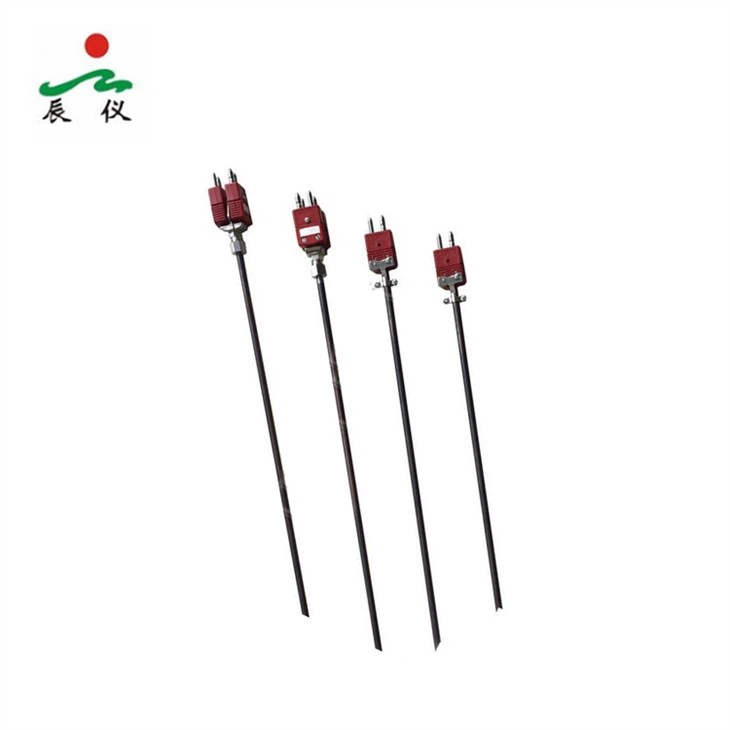
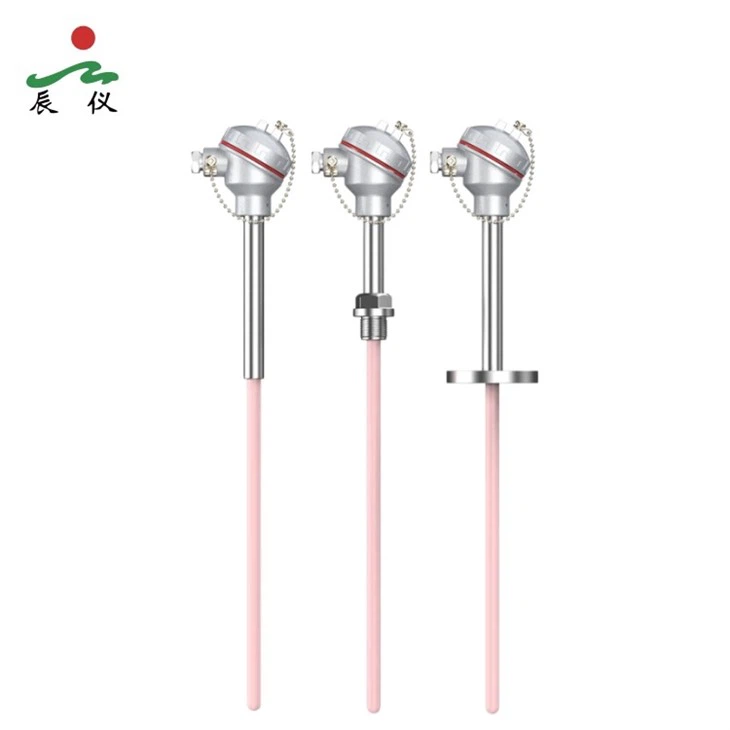
On the other hand, a larger diameter thermocouple has more mass. It takes longer for the heat to penetrate through the thicker wire and reach the measuring junction. This means it has a slower response time. But this isn't always a bad thing. In some applications where the temperature changes slowly, a larger diameter thermocouple might be sufficient, and its slower response time won't be a hindrance.
Durability
Durability is another important factor affected by the diameter. A larger diameter C type thermocouple is generally more durable. The thicker wire can withstand more physical stress, such as vibration, bending, and abrasion.
In industrial settings, there are often harsh conditions. For instance, in a steel mill, there are strong vibrations from heavy machinery, and the thermocouple might get bumped around. A larger diameter thermocouple is less likely to break or get damaged in such an environment. It can also handle higher mechanical loads without deforming, which is essential for long - term use.
Smaller diameter thermocouples, however, are more fragile. They can break easily if they're subjected to too much stress. But they do have their place. In applications where space is limited, like in some Small and Laboratory Thermocouples, a smaller diameter thermocouple can be used. They're also useful in situations where you don't need the thermocouple to last for a long time, but you do need accurate and fast temperature measurements.
Accuracy
Accuracy is a bit more complex when it comes to the relationship with diameter. In general, both small and large diameter thermocouples can be accurate if they're properly calibrated. However, there are some factors related to diameter that can affect accuracy.
A smaller diameter thermocouple might be more prone to self - heating errors. Self - heating occurs when an electric current passes through the thermocouple wire, generating heat. Since a smaller wire has a higher resistance, it can generate more heat for the same current. This extra heat can cause the temperature reading to be higher than the actual temperature of the surrounding environment, leading to inaccuracies.
Larger diameter thermocouples have lower resistance, so self - heating is less of an issue. But they can have problems with heat conduction errors. The thicker wire can conduct heat along its length more easily, which might cause the temperature at the measuring junction to be affected by the temperature of the wire's surroundings. This can also lead to inaccurate temperature readings.
Signal Strength
The diameter of the thermocouple also impacts the signal strength. A larger diameter thermocouple generally has a stronger signal. The thicker wire has lower electrical resistance, which means less signal loss as the voltage generated by the thermocouple travels along the wire to the measuring instrument.
This is important because a stronger signal is easier to measure accurately. In a noisy industrial environment, a weak signal can get drowned out by electrical interference. A larger diameter C type thermocouple can help overcome this problem by providing a more robust signal.
A smaller diameter thermocouple, with its higher resistance, has a weaker signal. This can make it more challenging to measure the temperature accurately, especially if the measuring instrument isn't very sensitive.
Cost
Cost is always a consideration when choosing a thermocouple. Smaller diameter thermocouples are usually cheaper. They use less material, and the manufacturing process is often less complex. If you're on a tight budget and your application doesn't require the durability or strong signal of a larger diameter thermocouple, a smaller one can be a cost - effective option.
Larger diameter thermocouples, however, are more expensive. The additional material and the more complex manufacturing process (to ensure the quality of the thicker wire) drive up the cost. But if you need a thermocouple that can withstand harsh conditions and provide a strong, reliable signal, the extra cost might be worth it.
Application - Specific Considerations
Different applications have different requirements, and the diameter of the C type thermocouple needs to be chosen accordingly.
In aerospace applications, for example, where weight is a major concern, smaller diameter thermocouples are often preferred. They can provide the necessary temperature measurements without adding too much weight to the aircraft. At the same time, they need to be able to withstand the high - temperature and high - stress environment of flight.
In the semiconductor industry, accuracy and fast response times are crucial. Smaller diameter thermocouples are often used to monitor the temperature during the manufacturing process. The rapid temperature changes in semiconductor manufacturing require a thermocouple that can keep up.
In metallurgy, where durability and long - term reliability are key, larger diameter thermocouples are more commonly used. They can withstand the high temperatures and harsh conditions in a steel mill or foundry.
Making the Right Choice
So, how do you decide which diameter C type thermocouple is right for your application? Here are some steps to help you make the decision:
- Understand your application requirements: Determine the temperature range, the rate of temperature change, the physical environment (vibration, abrasion, etc.), and the required accuracy.
- Consider the trade - offs: If you need a fast response time, you might have to sacrifice some durability. If you need a strong signal, you might have to pay more.
- Consult with an expert: As a C type thermocouple supplier, I'm always happy to help. I can provide more detailed information based on your specific needs and recommend the best diameter for your application.
If you're in the market for C type thermocouples, whether it's for a high - temperature industrial process or a Type S R B Thermocouple replacement, don't hesitate to reach out. We can discuss your requirements in detail and find the perfect thermocouple solution for you.
Conclusion
The diameter of a C type thermocouple has a significant impact on its performance. From response time and durability to accuracy and signal strength, each aspect needs to be carefully considered. By understanding these relationships and choosing the right diameter for your application, you can ensure that your thermocouple provides accurate, reliable temperature measurements.
If you have any questions or are interested in purchasing C type thermocouples, feel free to get in touch. We're here to help you make the best choice for your business.
References
- "Thermocouples: Theory and Practice" by John R. Cimbala and John L. Evans
- "Industrial Temperature Measurement" by Peter H. Beckman
