

As a trusted supplier of KNE Thermocouple Heads, ensuring the accurate calibration of these devices is crucial for their performance in various industrial applications. In this blog post, I'll share comprehensive insights into how to check the calibration of KNE Thermocouple Heads, offering practical steps and useful tips.
Understanding the Importance of Calibration
Before delving into the calibration checking process, it's essential to grasp why calibration matters. A thermocouple head is a device used to measure temperature. Any inaccuracies in its readings can lead to faulty temperature control, which in turn can affect production processes, compromise product quality, and even pose safety risks in some high - temperature environments.
Regular calibration checks ensure that your KNE Thermocouple Head provides precise and reliable temperature data. This is especially vital in industries such as manufacturing, food processing, and aerospace, where temperature control is a critical parameter.
Prerequisites for Calibration Check
- Standard Reference Thermometer: You'll need a high - quality, certified standard reference thermometer. This thermometer serves as a benchmark against which the readings of the KNE Thermocouple Head will be compared. Make sure the reference thermometer has a known accuracy within the temperature range of your intended use.
- Calibration Bath: A calibration bath is used to create a stable and uniform temperature environment. There are different types of calibration baths available, such as liquid baths for lower temperatures and dry - block calibrators for higher temperatures. Select a bath that can maintain a consistent temperature within a narrow tolerance.
- Data Acquisition System: To accurately record and analyze the temperature readings from both the KNE Thermocouple Head and the reference thermometer, a data acquisition system is required. This system should be able to sample and log the data at regular intervals.
Step - by - Step Guide to Check Calibration
Step 1: Preparation
First, make sure that the KNE Thermocouple Head, the reference thermometer, and the calibration bath are all in proper working condition. Check for any visible signs of damage, such as broken wires or loose connections. If you're using a liquid bath, ensure that the liquid level is appropriate and free from contaminants.

Step 2: Set the Calibration Temperature
Decide on the temperature points at which you want to check the calibration. These points should cover the typical operating temperature range of the KNE Thermocouple Head. For example, if the head is designed to measure temperatures between 0°C and 100°C, you might choose to calibrate at 0°C, 50°C, and 100°C.
Set the calibration bath to the first selected temperature. Allow the bath to reach a stable temperature, which can take some time depending on the type of bath and the temperature difference. Monitor the temperature of the bath using the reference thermometer until it stabilizes within the required tolerance.
Step 3: Insert the Sensors
Carefully insert the sensing element of the KNE Thermocouple Head and the reference thermometer into the calibration bath. Make sure they are immersed to the appropriate depth and are positioned in a way that they are both exposed to the same temperature environment. Avoid any physical contact between the two sensors, as this could affect the readings.
Step 4: Record the Readings
Once the temperature in the bath has stabilized, start recording the temperature readings from both the KNE Thermocouple Head and the reference thermometer using the data acquisition system. Take multiple readings at regular intervals (e.g., readings every 30 seconds for a few minutes) to ensure accuracy and account for any small fluctuations.
Step 5: Analyze the Data
Compare the readings from the KNE Thermocouple Head with those from the reference thermometer. Calculate the difference between the two sets of readings at each temperature point. If the differences are within the specified accuracy limits of the KNE Thermocouple Head, then the device is considered to be properly calibrated.
For example, if the accuracy of the KNE Thermocouple Head is specified as ± 0.5°C, and the difference between its reading and the reference thermometer's reading at a particular temperature is 0.3°C, then the calibration at that point is acceptable. However, if the difference exceeds the specified limit, then the thermocouple head may need to be recalibrated.
Step 6: Repeat the Process
Repeat the above steps for all the selected temperature points. This comprehensive approach ensures that the accuracy of the KNE Thermocouple Head is verified across its entire operating range.
Common Issues and Troubleshooting
- Drift in Readings: Over time, thermocouple heads may experience a drift in their readings. This can be caused by factors such as oxidation of the thermocouple wires or mechanical stress. If you notice a consistent drift, it may be necessary to recalibrate the device more frequently.
- Incorrect Installation: Improper installation, such as incorrect wire connections or improper grounding, can lead to inaccurate readings. Double - check the installation of the KNE Thermocouple Head to ensure that all connections are secure and that the grounding is correct.
Related Products
If you are in the market for related temperature sensor accessories, we also offer a range of high - quality products. For instance, the S Type Thermocouple Connector is designed to provide reliable connections for S - type thermocouples. It offers excellent electrical conductivity and durability, making it a great choice for various industrial applications.
Another popular product is the Mini K Type Connector. This compact connector is ideal for applications where space is limited. It provides a secure and efficient connection for K - type thermocouples.
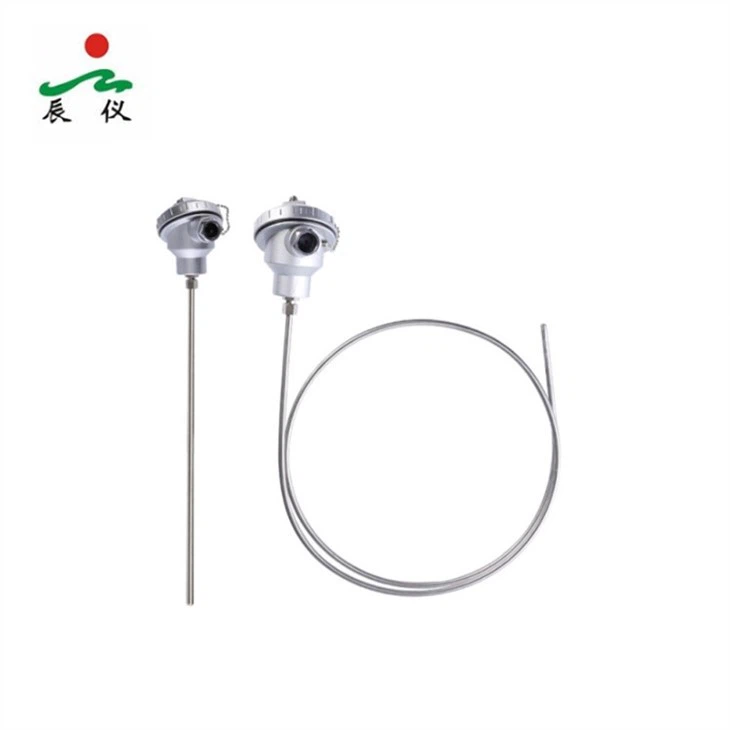
Of course, our flagship product, the KNE Thermocouple Head, is engineered to deliver accurate and stable temperature measurements. It is built with high - quality materials and advanced manufacturing techniques to ensure long - term performance.
Contact for Purchase and Consultation
If you have any questions about the calibration of KNE Thermocouple Heads or are interested in purchasing our products, we invite you to reach out. Our team of experts is ready to assist you with any technical inquiries and can provide you with detailed information about our product range. Whether you need to replace an existing thermocouple head or are looking to upgrade your temperature measurement system, we have the solutions to meet your needs.
References
- "Thermocouples: Theory and Practice", John Wiley & Sons
- "Temperature Measurement and Calibration Handbook", ASTM International
