

Hey there! As a supplier of C Type Thermocouples, I've seen firsthand how important it is to get the most out of these little temperature - measuring wonders. C Type Thermocouples are super useful in high - temperature applications, but like any piece of equipment, they have a lifespan. In this blog, I'll share some tips on how you can extend the lifespan of a C Type Thermocouple.
Understanding C Type Thermocouples
First off, let's quickly go over what C Type Thermocouples are. They're made from tungsten - rhenium alloys and are designed to work in extremely high - temperature environments, often up to 2300°C. These thermocouples are used in industries like aerospace, metal processing, and power generation. They're pretty tough, but they're not indestructible.
Proper Installation
The first step in extending the lifespan of a C Type Thermocouple is to install it correctly. A bad installation can lead to all sorts of problems, like mechanical stress and exposure to contaminants.

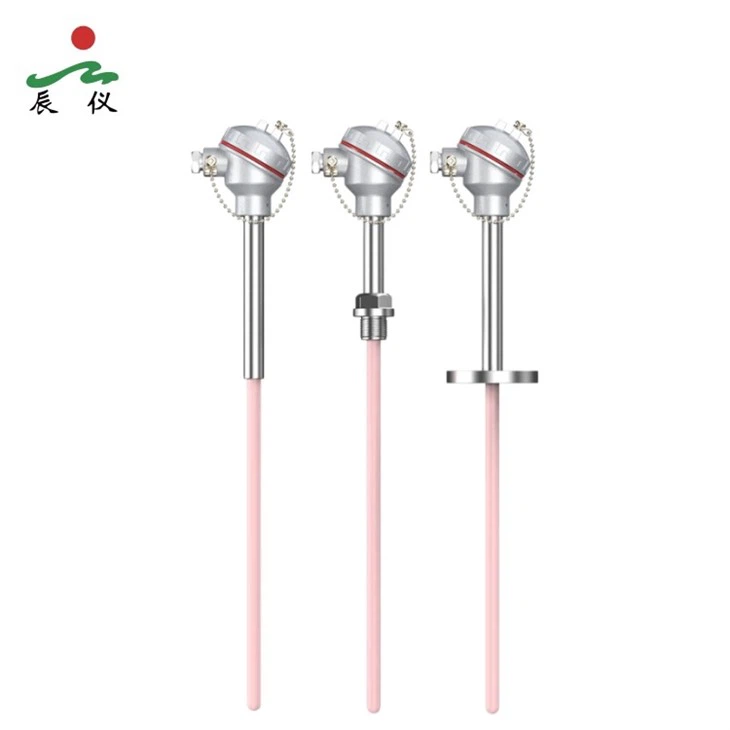
- Location: Choose the right location for your thermocouple. It should be placed where it can accurately measure the temperature you're interested in, without being exposed to excessive vibration, mechanical shock, or direct contact with corrosive materials. For example, if you're using it in a furnace, make sure it's not too close to the heating elements where it could get overheated or damaged by the intense heat.
- Mounting: Use the right mounting hardware. Make sure the thermocouple is securely mounted, but don't over - tighten it. Over - tightening can cause the thermocouple wires to break or the sheath to crack. If you're using a protective sheath, make sure it's properly installed and sealed to prevent contaminants from getting in.
Protecting from Contaminants
Contaminants can really shorten the lifespan of a C Type Thermocouple. Things like oxygen, moisture, and other chemicals can react with the tungsten - rhenium alloys and cause them to degrade.
- Inert Gas Environment: In high - temperature applications, it's often a good idea to use an inert gas environment around the thermocouple. Argon or nitrogen can be used to displace oxygen and other reactive gases. This can significantly reduce the rate of oxidation and other chemical reactions. You can use a gas - filled tube or a sealed chamber to create this environment.
- Protective Sheaths: A good protective sheath can also help protect the thermocouple from contaminants. There are different types of sheaths available, made from materials like ceramic or metal. Ceramic sheaths are great for high - temperature applications because they're resistant to heat and chemical corrosion. Metal sheaths can provide mechanical protection, but they may not be as effective against chemical contaminants. You can check out our Small and Laboratory Thermocouples for some examples of thermocouples with protective sheaths.
Temperature Management
C Type Thermocouples are designed to work in high - temperature environments, but they still have their limits. Exceeding these limits can cause the thermocouple to fail prematurely.
- Avoid Overheating: Make sure you don't expose the thermocouple to temperatures higher than its rated maximum. If you need to measure extremely high temperatures, consider using a different type of thermocouple or a temperature - limiting device. For example, if you're using a C Type Thermocouple in a furnace, you can use a temperature controller to keep the temperature within the safe range.
- Thermal Cycling: Thermal cycling, which is the repeated heating and cooling of the thermocouple, can also cause damage. Try to minimize thermal cycling as much as possible. If you need to turn the equipment on and off frequently, consider using a pre - heating or slow - cooling process to reduce the stress on the thermocouple.
Regular Maintenance and Calibration
Regular maintenance and calibration are essential for extending the lifespan of a C Type Thermocouple.
- Visual Inspection: Periodically inspect the thermocouple for any signs of damage, such as cracks in the sheath, broken wires, or signs of corrosion. If you notice any problems, replace the thermocouple or the damaged parts as soon as possible.
- Calibration: Calibrate the thermocouple regularly to ensure accurate temperature measurements. Over time, the thermocouple may drift, which means it may not give accurate readings. Calibration can help correct this drift and ensure that your temperature measurements are reliable. You can use a calibration standard or send the thermocouple to a professional calibration service.
Compatibility with Other Equipment
Make sure the C Type Thermocouple is compatible with the other equipment in your system. Incompatible equipment can cause problems like electrical interference, incorrect temperature readings, or even damage to the thermocouple.
- Signal Conditioning: Use the right signal - conditioning equipment to amplify and process the thermocouple signal. Make sure the signal - conditioning equipment is designed to work with C Type Thermocouples. Using the wrong equipment can lead to inaccurate readings or damage to the thermocouple.
- Electrical Connections: Ensure that the electrical connections between the thermocouple and the other equipment are proper. Loose or corroded connections can cause electrical resistance, which can affect the accuracy of the temperature measurement and also cause overheating.
Choosing the Right Type of Thermocouple
If your application has specific requirements, you may want to consider other types of thermocouples. For example, if you need to measure lower temperatures or if you're working in a less harsh environment, you might look at Type S R B Thermocouple. These types of thermocouples are more suitable for medium - to high - temperature applications and may have a longer lifespan in certain conditions. If you're interested in tungsten - rhenium thermocouples in general, you can also check out our Tungsten Rhenium Thermocouple page.
Conclusion
Extending the lifespan of a C Type Thermocouple takes a little effort, but it's definitely worth it. By following these tips on proper installation, protecting from contaminants, temperature management, regular maintenance, and compatibility, you can get the most out of your thermocouple and save money in the long run.
If you're interested in purchasing C Type Thermocouples or have any questions about how to make them last longer, feel free to reach out. We're here to help you with all your thermocouple needs.
References
- ASTM E230 - Standard Specification and Temperature - Electromotive Force (emf) Tables for Thermocouples
- NIST Handbook 150 - Thermocouple Calibration
