

As a supplier of C Type Thermocouples, I often encounter clients who are interested in measuring the temperature of ceramic materials accurately. Ceramic materials have unique properties and are widely used in various high - tech fields such as aerospace, electronics, and energy. Measuring their temperature precisely is crucial for the quality control and performance optimization of products made from these materials. In this blog, I'll share how to measure the temperature of a ceramic material with a C Type Thermocouple.
Understanding C Type Thermocouples
First of all, it's essential to understand what a C Type Thermocouple is. A C Type Thermocouple is a Tungsten Rhenium Thermocouple with specific alloy compositions. It consists of a positive leg made of 97% tungsten and 3% rhenium and a negative leg made of 75% tungsten and 25% rhenium. This type of thermocouple is well - known for its ability to measure extremely high temperatures, typically up to around 2315°C (4200°F) in a vacuum or inert gas environment. Its high - temperature measurement capability makes it an ideal choice for measuring the temperature of ceramic materials, which often require high - temperature processing.
Factors Affecting Temperature Measurement in Ceramic Materials
Before diving into the actual measurement process, it's important to understand the factors that can affect the temperature measurement of ceramic materials.
- Thermal Conductivity: Ceramics generally have low thermal conductivity. This means that the temperature within the ceramic material may not be uniform, especially if there is a rapid heating or cooling process. When using a C Type Thermocouple to measure the temperature, it's crucial to ensure that the measurement point is representative of the entire material or the area of interest.
- Emissivity: Emissivity is a measure of how well a material emits thermal radiation. Different ceramic materials have different emissivities, which can influence the accuracy of non - contact temperature measurement methods. However, when using a C Type Thermocouple (a contact - based measurement method), the emissivity doesn't directly affect the measurement, but it can still cause temperature gradients within the ceramic due to uneven heat transfer.
- Chemical Compatibility: The C Type Thermocouple should be chemically compatible with the ceramic material. Some ceramic materials may react with the tungsten - rhenium alloy of the thermocouple at high temperatures, which can lead to inaccurate temperature readings and damage to the thermocouple.
Steps to Measure the Temperature of a Ceramic Material with a C Type Thermocouple
Step 1: Select the Right Thermocouple
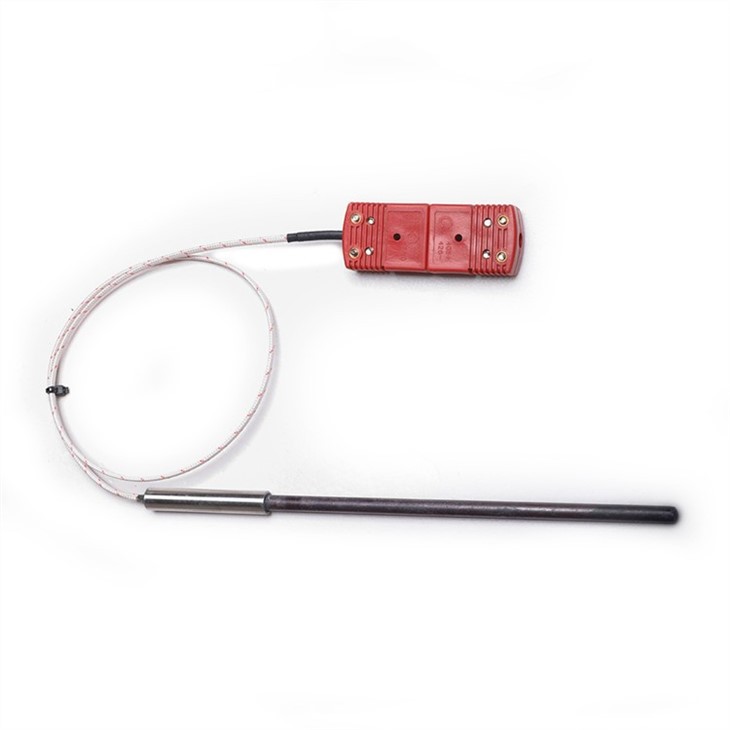
First, you need to choose a suitable C Type Thermocouple for your application. Consider factors such as the maximum temperature you expect to measure, the size of the ceramic material, and the measurement environment. We offer a variety of C Type Thermocouples with different sheath materials and dimensions to meet various requirements. For example, if you are measuring a small ceramic component in a laboratory setting, a thermocouple with a thin sheath and a small junction size may be more appropriate.

Step 2: Prepare the Thermocouple
Before using the C Type Thermocouple, inspect it carefully for any signs of damage, such as bent wires or cracked sheaths. If possible, calibrate the thermocouple to ensure accurate temperature measurement. Calibration can be done by comparing the thermocouple's output to a known temperature source.
Step 3: Surface Preparation of the Ceramic Material
To ensure good thermal contact between the thermocouple and the ceramic material, the surface of the ceramic should be clean and smooth. Remove any dust, dirt, or oxide layers from the surface. You can use a soft brush or a mild abrasive to clean the surface gently.
Step 4: Install the Thermocouple
There are several ways to install the C Type Thermocouple on the ceramic material:
- Direct Attachment: If the ceramic material can withstand a small amount of mechanical stress, you can directly attach the thermocouple junction to the surface of the ceramic using a high - temperature adhesive or a mechanical clamping device. Make sure the junction is in full contact with the ceramic surface to ensure accurate heat transfer.
- Implantation: For some applications, it may be necessary to implant the thermocouple into the ceramic material. This method allows for more accurate measurement of the internal temperature of the ceramic. However, it requires careful drilling and installation to avoid damaging the ceramic.
Step 5: Connect the Thermocouple to the Measuring Instrument
Once the thermocouple is installed on the ceramic material, connect it to a suitable temperature measuring instrument, such as a thermocouple thermometer or a data acquisition system. Make sure the connections are secure and that the instrument is properly configured for the C Type Thermocouple.
Step 6: Take the Temperature Measurement
After the thermocouple is connected to the measuring instrument, start the heating or cooling process of the ceramic material. Monitor the temperature reading on the instrument. It may take some time for the thermocouple to reach thermal equilibrium with the ceramic material, especially if the ceramic has low thermal conductivity.
Troubleshooting
During the temperature measurement process, you may encounter some problems. Here are some common issues and solutions:
- Inaccurate Readings: If the temperature readings are inconsistent or inaccurate, first check the connections between the thermocouple and the measuring instrument. Loose connections can cause interference and inaccurate readings. Also, check if the thermocouple is damaged or has been contaminated. If the problem persists, recalibrate the thermocouple.
- Thermocouple Failure: If the thermocouple fails during the measurement, it may be due to chemical reactions with the ceramic material, over - heating, or mechanical damage. Replace the thermocouple and ensure that the new one is installed correctly and is chemically compatible with the ceramic.
Advantages of Using C Type Thermocouples for Ceramic Temperature Measurement
- High - Temperature Capability: As mentioned earlier, C Type Thermocouples can measure extremely high temperatures, which is suitable for the high - temperature processing of ceramic materials, such as sintering and melting.
- Fast Response Time: They have a relatively fast response time, which allows for real - time monitoring of temperature changes during the heating or cooling process of ceramic materials.
- Accuracy: When properly installed and calibrated, C Type Thermocouples can provide accurate temperature measurements, which is crucial for ensuring the quality and performance of ceramic products.
Conclusion
Measuring the temperature of ceramic materials with a C Type Thermocouple requires careful consideration of various factors, including the properties of the ceramic material, the selection of the thermocouple, and the installation method. By following the steps and guidelines outlined in this blog, you can achieve accurate and reliable temperature measurements.
If you are interested in our C Type Thermocouples, WRe526 Thermocouple or other thermocouple products, please feel free to contact us for more information and to discuss your specific requirements. We are committed to providing high - quality thermocouple solutions for your temperature measurement needs.
References
- "Thermocouple Handbook: Theory and Properties"
- "Ceramics: Structure, Properties, and Processing"
