

Hey there! As a supplier of the WRe526 Thermocouple, I'm super stoked to share some tips on how to measure temperature accurately using this nifty device. Whether you're a seasoned pro in the industrial field or just getting your feet wet in the world of temperature measurement, these pointers will surely come in handy.
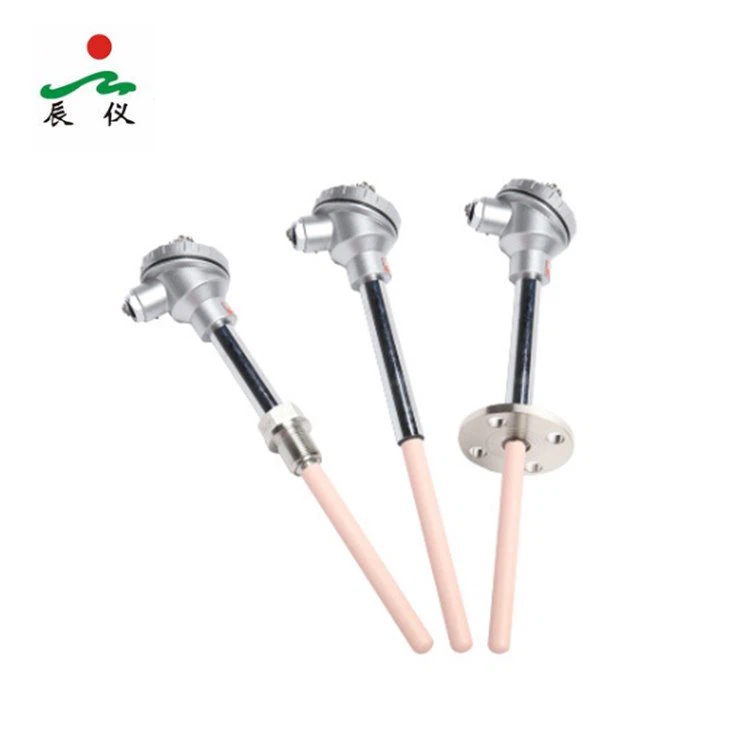
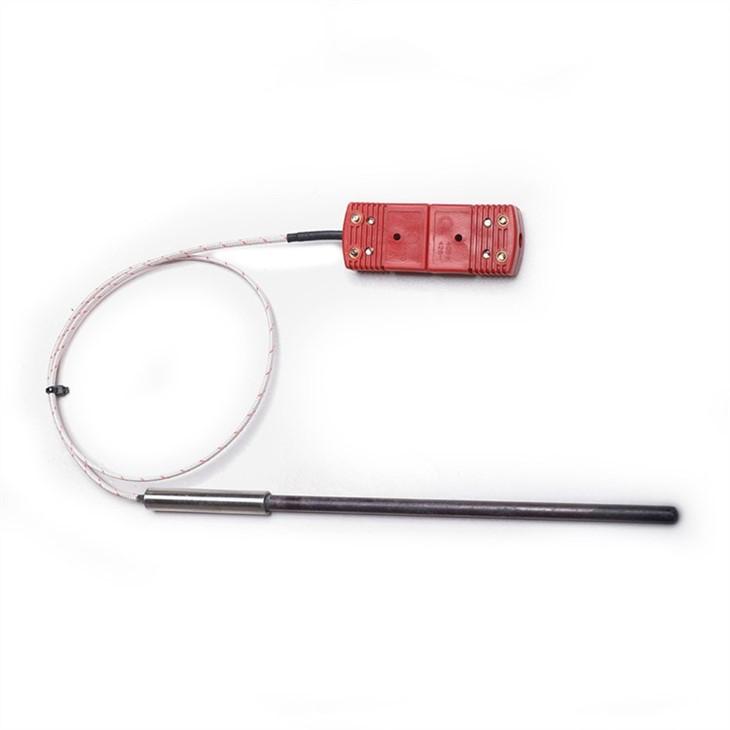
First off, let's talk a bit about what the WRe526 Thermocouple is. It's a type of Tungsten Rhenium Thermocouple that's known for its ability to handle high - temperature environments. Compared to other thermocouples like the Platinum Rhodium Thermocouple and the C Type Thermocouple, it has its own unique set of features and advantages.
Understanding the Basics of Thermocouples
Before we dive into the specifics of using the WRe526 Thermocouple, it's important to understand how thermocouples work in general. A thermocouple is basically a device made up of two different metals joined together at one end. When there's a temperature difference between the joined end (the measuring junction) and the other end (the reference junction), it generates a small voltage. This voltage is directly related to the temperature difference, and by measuring this voltage, we can figure out the temperature.
The WRe526 Thermocouple is made up of specific alloys of tungsten and rhenium, which gives it excellent stability and accuracy in high - temperature applications. But to get the most accurate temperature readings, there are a few things you need to keep in mind.
Preparation for Measurement
- Proper Installation
- First things first, you need to install the thermocouple correctly. Make sure the measuring junction is placed directly in the area where you want to measure the temperature. If it's in a liquid or gas, it should be fully immersed to get an accurate reading. For example, if you're measuring the temperature of a molten metal, the junction should be deep enough in the metal to avoid any surface - related temperature variations.
- Also, the thermocouple should be secured properly. Loose thermocouples can move around, which can lead to inconsistent readings. You can use appropriate fixtures or clamps to hold it in place.
- Reference Junction Compensation
- The reference junction is a crucial part of the thermocouple system. The temperature at the reference junction affects the voltage reading, so you need to compensate for it. There are different ways to do this. One common method is to use a reference junction compensator, which is a device that measures the temperature at the reference junction and adjusts the voltage reading accordingly. This ensures that the temperature reading you get is accurate and not affected by the temperature at the reference junction.
Measuring the Temperature
- Using a Thermocouple Meter
- Once the thermocouple is installed and the reference junction is compensated, you can use a thermocouple meter to measure the voltage generated by the thermocouple. A good thermocouple meter is essential for accurate readings. It should be calibrated regularly to ensure its accuracy.
- Connect the thermocouple to the meter according to the manufacturer's instructions. Usually, there are specific terminals for different types of thermocouples. Make sure you connect the WRe526 Thermocouple to the correct terminals to avoid any errors.
- Taking Multiple Readings
- To increase the accuracy of your temperature measurement, it's a good idea to take multiple readings. This helps to average out any small fluctuations or errors in the measurement. Take readings at regular intervals and record them. Then, calculate the average of these readings. This will give you a more accurate representation of the temperature.
Factors Affecting Accuracy
- Environmental Conditions
- The environment where the thermocouple is used can have a big impact on the accuracy of the temperature measurement. For example, if there are strong electromagnetic fields in the area, they can interfere with the voltage generated by the thermocouple. In such cases, you may need to use shielded thermocouples to reduce the interference.
- Also, the presence of corrosive substances can damage the thermocouple over time, which can affect its accuracy. If you're using the thermocouple in a corrosive environment, make sure to choose a thermocouple with a protective coating.
- Thermocouple Aging
- Like any other device, thermocouples can age over time. The materials in the thermocouple can change due to high temperatures, chemical reactions, and mechanical stress. This can lead to a drift in the accuracy of the temperature measurement. To counter this, it's important to regularly calibrate the thermocouple and replace it when it starts to show signs of significant aging.
Calibration of the WRe526 Thermocouple
Calibration is a critical step in ensuring the accuracy of the WRe526 Thermocouple. You should calibrate the thermocouple at regular intervals, especially if it's used in high - precision applications. Here's how you can do it:
- Use a Calibration Standard
- You need to use a known temperature source as a calibration standard. This could be a calibrated furnace or a temperature - controlled bath. The temperature of the standard should be accurately known.
- Compare Readings
- Place the thermocouple in the calibration standard and record the temperature reading from the thermocouple meter. Compare this reading with the known temperature of the standard. If there's a difference, you can adjust the thermocouple meter or the thermocouple itself to correct the reading.
Troubleshooting Common Issues
- Inconsistent Readings
- If you're getting inconsistent readings, it could be due to a loose connection. Check all the connections between the thermocouple and the meter to make sure they're tight. It could also be because of a damaged thermocouple. Inspect the thermocouple for any signs of physical damage, such as breaks or corrosion.
- Zero or Abnormal Readings
- A zero reading could mean that there's an open circuit in the thermocouple or the meter. Check for any broken wires or loose connections. Abnormal readings, like extremely high or low values, could be due to a short - circuit or interference from external sources. Try to isolate the thermocouple from any potential sources of interference.
Conclusion
Measuring temperature accurately with the WRe526 Thermocouple requires some knowledge and attention to detail. By following the steps I've outlined above, you can ensure that you get the most accurate temperature readings possible. Whether you're in the metal - processing industry, the ceramics industry, or any other field that requires high - temperature measurement, the WRe526 Thermocouple is a great choice.
If you're interested in purchasing the WRe526 Thermocouple or have any questions about its use, feel free to reach out. We're here to help you with all your temperature - measurement needs.
References
- "Thermocouple Handbook" by Omega Engineering
- "Temperature Measurement Principles and Practice" by John Wiley & Sons
