

As a supplier of Terminal Heads, ensuring the mechanical strength of our products is of utmost importance. Terminal Heads are crucial components used in various industries, especially in the field of temperature sensor accessories. They need to withstand different environmental conditions and mechanical stresses during their service life. In this blog, I will share some effective methods to test the mechanical strength of Terminal Heads.
1. Tensile Testing
Tensile testing is one of the most fundamental methods to evaluate the mechanical strength of Terminal Heads. In this test, a Terminal Head sample is subjected to a gradually increasing tensile force until it breaks. By measuring the maximum load the Terminal Head can bear before failure, we can determine its tensile strength.
To conduct a tensile test, we first need to prepare a testing machine equipped with appropriate grips. The grips should be designed to firmly hold the Terminal Head sample without causing any premature damage. Once the sample is securely fixed in the grips, the testing machine starts to apply a tension force at a controlled rate. During the test, the force and the corresponding elongation of the Terminal Head are recorded continuously.
The results of tensile testing can provide valuable information about the Terminal Head's ability to resist stretching forces. A high tensile strength indicates that the Terminal Head can withstand relatively large pulling forces without breaking, which is essential in applications where the Terminal Head may be subject to tension, such as in some long - distance cable installations. For example, our S Type Thermocouple Connector undergoes strict tensile testing to ensure its reliability in various wiring scenarios.
2. Compression Testing
Compression testing is another vital test for Terminal Heads. In many cases, Terminal Heads may be subject to compression forces, such as when they are installed in tight spaces or when there are external objects pressing on them. Compression testing helps us understand how well a Terminal Head can resist being crushed.
To perform a compression test, a Terminal Head sample is placed between two parallel plates of a compression testing machine. The machine then applies a gradually increasing compressive force on the sample. Similar to the tensile test, the force and the corresponding deformation of the Terminal Head are measured and recorded.
The compression strength of a Terminal Head is determined by the maximum compressive force it can endure before significant damage or failure occurs. This test is particularly important for Terminal Heads used in environments where they may be squeezed, like in some industrial equipment cabinets. Our Standard K Type Connectors are tested under compression to ensure they can function properly even in crowded installation spots.
3. Impact Testing
Impact testing is used to evaluate the ability of Terminal Heads to withstand sudden and high - energy impacts. In real - world applications, Terminal Heads may be accidentally hit by tools, falling objects, or experience vibrations during transportation. Impact testing simulates these situations to assess the Terminal Head's toughness and resistance to cracking.
There are different types of impact tests, such as the Charpy impact test and the Izod impact test. In a typical impact test, a pendulum or a striker is used to deliver a sudden impact to the Terminal Head sample. The energy absorbed by the sample during the impact is measured, which reflects its impact resistance.
A Terminal Head with a high impact resistance can better survive unexpected collisions and maintain its structural integrity. Our KNE Thermocouple Head is carefully tested using impact testing methods to ensure it can withstand the rigors of real - world use.
4. Vibration Testing
Vibration is a common phenomenon in many industrial environments. Terminal Heads may be exposed to continuous vibrations during the operation of machinery, which can cause loosening of connections, fatigue failure, and other problems. Vibration testing is essential to assess the Terminal Head's ability to maintain its mechanical stability under vibrating conditions.
During vibration testing, the Terminal Head is mounted on a vibration shaker. The shaker is programmed to generate vibrations with specific frequencies, amplitudes, and durations that simulate the actual working environment. The Terminal Head is then monitored for any signs of damage, such as cracks, loosening of components, or changes in electrical performance.
This test helps us identify potential weak points in the Terminal Head's design and manufacturing process. By ensuring that the Terminal Head can withstand vibrations, we can improve its reliability and reduce the risk of malfunctions in industrial applications.
5. Bending Testing
Bending testing is used to evaluate the flexibility and resistance to bending of Terminal Heads. In some applications, Terminal Heads may need to be bent or routed around obstacles during installation. Bending testing helps us determine the maximum bending angle and the number of bending cycles the Terminal Head can endure without failure.
To conduct a bending test, the Terminal Head is fixed at one end, and a bending force is applied at the other end. The bending angle is gradually increased, and the force required to bend the Terminal Head is measured. Additionally, the Terminal Head may be subjected to multiple bending cycles to simulate long - term use.
The results of bending testing can guide us in optimizing the design of Terminal Heads to make them more suitable for applications that require bending. For example, in some complex wiring systems, Terminal Heads need to be bent to fit the available space, and a Terminal Head with good bending resistance can ensure a more reliable installation.
Importance of Testing for Our Customers
As a Terminal Head supplier, we understand that the quality and mechanical strength of our products directly affect our customers' operations. By conducting comprehensive mechanical strength testing on our Terminal Heads, we can provide our customers with products that meet or exceed their expectations.
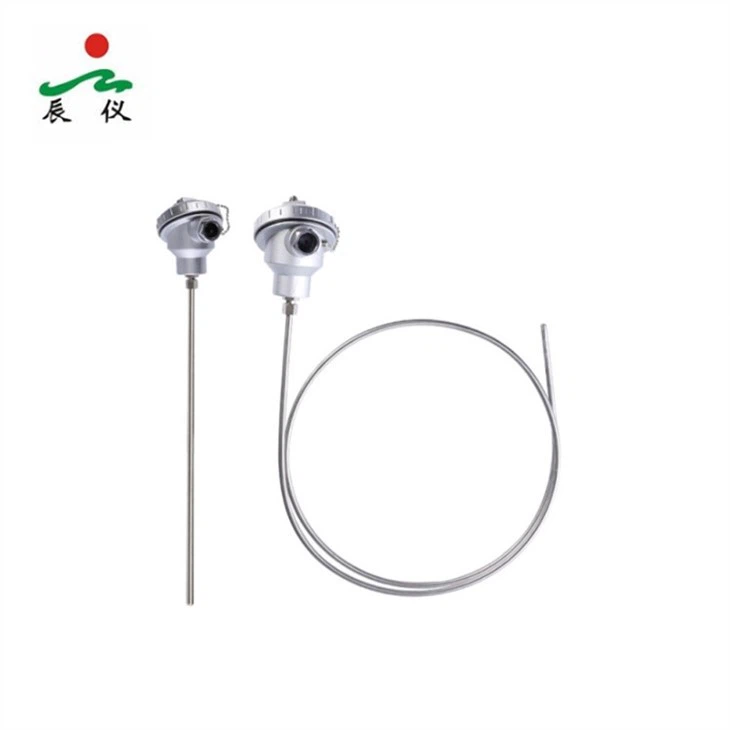

Reliable Terminal Heads can reduce the risk of equipment failures, downtime, and maintenance costs for our customers. In industries such as manufacturing, power generation, and chemical processing, where the proper functioning of temperature sensors and related accessories is critical, high - quality Terminal Heads are essential for ensuring the safety and efficiency of the entire system.
Contact Us for Procurement
If you are interested in our Terminal Head products and would like to discuss your specific requirements, we are more than happy to help. Our experienced team can provide you with detailed product information, technical support, and competitive pricing. We are committed to providing you with the best Terminal Head solutions for your applications.
References
- ASTM International. Standards for mechanical testing of materials.
- ISO standards related to the mechanical properties testing of electrical components.
