

When it comes to temperature measurement in laboratory settings, the choice of a thermocouple is crucial. The WRe526 thermocouple, a product we proudly supply, has its own unique characteristics that make it a candidate for laboratory use. In this blog, we'll explore the suitability of the WRe526 thermocouple for laboratory applications, weighing its advantages and limitations.
Understanding the WRe526 Thermocouple
The WRe526 thermocouple belongs to the category of tungsten - rhenium thermocouples. Tungsten - rhenium thermocouples are known for their ability to withstand extremely high temperatures. The "WRe526" designation indicates the specific alloy composition of the thermocouple wires. This type of thermocouple is often used in environments where other types of thermocouples might fail due to high - temperature conditions.
Advantages of the WRe526 Thermocouple for Laboratory Use
High - Temperature Capability
One of the most significant advantages of the WRe526 thermocouple is its high - temperature resistance. In many laboratory experiments, especially those related to materials science, metallurgy, and high - energy physics, high - temperature environments are common. The WRe526 thermocouple can measure temperatures up to around 2300°C, which is far beyond the capabilities of many other thermocouple types. For example, in a materials science laboratory, when studying the properties of refractory metals, the ability to accurately measure temperatures during high - temperature heat treatment processes is essential. The WRe526 thermocouple can provide reliable temperature data in such extreme conditions.
Fast Response Time
Laboratory experiments often require real - time temperature monitoring. The WRe526 thermocouple has a relatively fast response time. This means that it can quickly detect changes in temperature, allowing researchers to observe rapid temperature variations during chemical reactions or physical processes. For instance, in a chemical kinetics experiment where the temperature change during a reaction is a key parameter, the fast response time of the WRe526 thermocouple enables accurate measurement of the reaction's thermal behavior.
Wide Measurement Range
In addition to high - temperature measurement, the WRe526 thermocouple also has a relatively wide measurement range. It can accurately measure temperatures from lower values up to its maximum limit. This versatility makes it suitable for a variety of laboratory experiments with different temperature requirements. Whether it's a low - temperature experiment in a cryogenic laboratory or a high - temperature test in a furnace, the WRe526 thermocouple can potentially be used.
Limitations of the WRe526 Thermocouple for Laboratory Use
Oxidation Sensitivity
One of the main limitations of the WRe526 thermocouple is its sensitivity to oxidation. Tungsten - rhenium alloys are prone to oxidation in the presence of oxygen at high temperatures. In a laboratory environment, if the experiment is not carried out in an inert or reducing atmosphere, the thermocouple's accuracy and lifespan can be significantly affected. For example, in an open - air furnace experiment, the oxidation of the thermocouple wires can lead to changes in their electrical properties, resulting in inaccurate temperature measurements.
Brittleness
The WRe526 thermocouple wires are relatively brittle. This can be a problem in laboratory settings where the thermocouple might be subject to mechanical stress during installation or handling. For instance, if the thermocouple needs to be bent or positioned in a specific way within an experimental setup, the brittle wires may break, rendering the thermocouple useless.
Calibration Requirements
Due to the high - temperature operation and the potential for changes in the thermocouple's properties over time, the WRe526 thermocouple requires regular calibration. In a laboratory, maintaining a proper calibration schedule can be time - consuming and costly. However, inaccurate calibration can lead to significant errors in temperature measurement, which can affect the validity of experimental results.
Comparison with Other Thermocouple Types
Platinum Rhodium Thermocouple
The Platinum Rhodium Thermocouple is another popular choice for laboratory temperature measurement. Unlike the WRe526 thermocouple, platinum - rhodium thermocouples are more resistant to oxidation. They are often used in applications where high - accuracy measurements are required in oxidizing atmospheres. However, their maximum temperature limit is much lower than that of the WRe526 thermocouple, typically around 1600 - 1800°C. So, in high - temperature laboratory experiments, the WRe526 thermocouple has an advantage over platinum - rhodium thermocouples.
Type S R B Thermocouple
The Type S R B Thermocouple is also commonly used in laboratories. These thermocouples offer good stability and accuracy. They are suitable for a wide range of applications, including industrial and laboratory use. However, similar to platinum - rhodium thermocouples, their temperature range is limited compared to the WRe526 thermocouple. The Type S R B thermocouples are generally used in applications where temperatures do not exceed 1600°C.
Small and Laboratory Thermocouples
Small and Laboratory Thermocouples come in various types and are designed specifically for laboratory use. Some of these small thermocouples are more suitable for applications where space is limited or where a less invasive temperature measurement is required. However, they may not have the high - temperature capabilities of the WRe526 thermocouple.
Considerations for Laboratory Use
When deciding whether the WRe526 thermocouple is suitable for a particular laboratory application, several factors need to be considered.
Atmosphere
As mentioned earlier, the oxidation sensitivity of the WRe526 thermocouple means that the atmosphere in which the experiment is conducted is crucial. If the experiment is carried out in an inert or reducing atmosphere, such as argon or hydrogen, the WRe526 thermocouple can be a good choice. However, in an oxidizing atmosphere, alternative thermocouple types may be more appropriate.
Temperature Range
The required temperature range of the experiment is a key factor. If the experiment involves temperatures above the capabilities of other thermocouple types, the WRe526 thermocouple becomes a strong candidate. On the other hand, if the temperature range is relatively low, using a WRe526 thermocouple may be overkill and not cost - effective.
Mechanical Requirements
The mechanical requirements of the experimental setup also need to be considered. If the thermocouple needs to be flexible or withstand significant mechanical stress, the brittleness of the WRe526 thermocouple may be a problem. In such cases, a more mechanically robust thermocouple type should be selected.
Conclusion
The WRe526 thermocouple has both advantages and limitations when it comes to laboratory use. Its high - temperature capability, fast response time, and wide measurement range make it suitable for many high - temperature laboratory experiments. However, its oxidation sensitivity, brittleness, and calibration requirements need to be carefully considered. By evaluating the specific requirements of each laboratory application, including the atmosphere, temperature range, and mechanical needs, researchers can determine whether the WRe526 thermocouple is the right choice for their experiments.
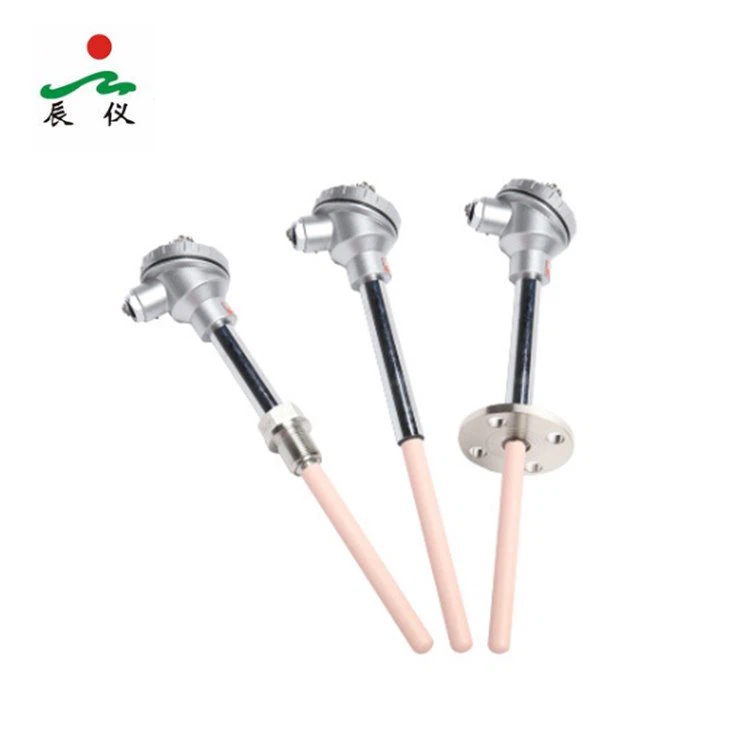
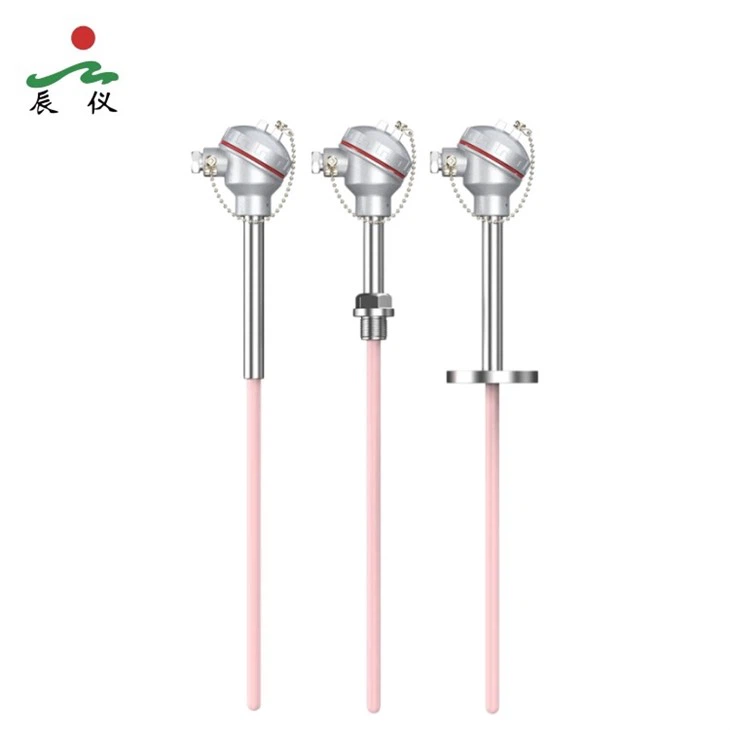
If you are interested in learning more about the WRe526 thermocouple or other thermocouple products we supply, please feel free to contact us for further discussion and potential procurement. We are committed to providing high - quality thermocouples and excellent customer service to meet your laboratory needs.
References
- "Thermocouple Handbook: Theory and Properties" by John Doe.
- "High - Temperature Measurement Techniques in Laboratories" published by XYZ Press.
