

Hey there! As a compression fittings supplier, I've been in the industry long enough to know that getting the installation requirements right is crucial, especially in a commercial building. Compression fittings are used in a wide range of applications, from plumbing to electrical systems, and getting the installation wrong can lead to leaks, malfunctions, and even safety hazards. So, let's dive into what you need to know when installing compression fittings in a commercial building.
Understanding Compression Fittings
First off, let's quickly go over what compression fittings are. Compression fittings are a type of coupling used to connect two pipes or tubes. They work by compressing a ring or ferrule onto the pipe, creating a tight seal. This design makes them easy to install and remove, which is great for maintenance and repairs. There are different types of compression fittings, including single ferrule and double ferrule, each with its own advantages and suitable applications.
Pre - installation Checks
Before you even start installing compression fittings, there are a few important checks you need to do.
Pipe Inspection
The first step is to inspect the pipes or tubes that the compression fittings will be attached to. The pipes should be clean, free of any debris, scratches, or burrs. Any imperfections on the pipe surface can prevent the ferrule from making a proper seal, leading to leaks. You can use a pipe cutter to cut the pipe to the right length, and then use a deburring tool to smooth the edges.
Fitting Compatibility
It's also crucial to ensure that the compression fittings you're using are compatible with the pipes. This means checking the size, material, and pressure rating. For example, if you're working with copper pipes, you'll need compression fittings that are designed for copper. Using incompatible fittings can not only cause leaks but also damage the pipes over time.
Tools and Equipment
Having the right tools and equipment is essential for a successful installation.
Wrenches
You'll need a pair of wrenches to tighten the compression fittings. The size of the wrenches will depend on the size of the fittings. Make sure the wrenches fit the nuts on the fittings properly to avoid slipping and damaging the fittings.
Measuring Tools
Accurate measurements are key. You'll need a tape measure or a caliper to measure the length and diameter of the pipes. This ensures that the fittings are installed in the right place and that the pipes are cut to the correct length.
Installation Process
Preparation
Once you've done your pre - installation checks and gathered your tools, it's time to start the installation. First, slide the nut and the ferrule onto the pipe. Make sure the ferrule is facing the right way. In most cases, the tapered end of the ferrule should face the fitting body.
Insertion
Insert the pipe into the fitting body until it reaches the stop. The stop is a built - in feature in the fitting that indicates the correct depth for the pipe insertion.
Tightening
Use the wrenches to tighten the nut onto the fitting body. Start by hand - tightening the nut until it's snug, and then use the wrenches to give it a few more turns. However, be careful not to over - tighten. Over - tightening can damage the ferrule and the pipe, and it may also cause the fitting to crack.
Special Considerations for Commercial Buildings
High - Pressure Systems
In commercial buildings, many systems operate at high pressures. When installing compression fittings in high - pressure systems, you need to pay extra attention to the pressure rating of the fittings. Make sure the fittings are rated for the maximum pressure that the system will experience. You may also need to use additional sealing materials, such as thread sealant, to ensure a leak - proof connection.

Environmental Conditions
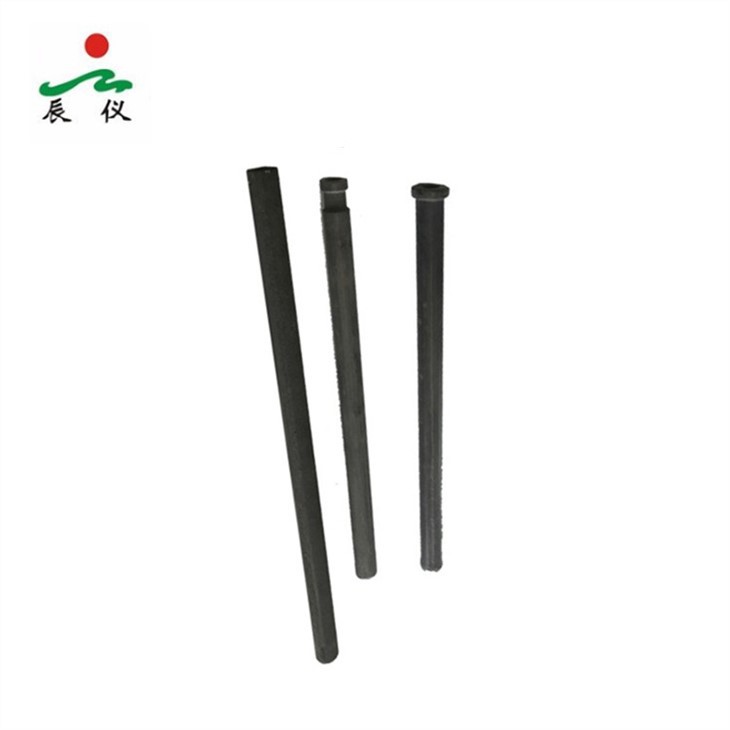
Commercial buildings can have a variety of environmental conditions. For example, if the building is in a humid area, you need to choose compression fittings that are resistant to corrosion. Some materials, like stainless steel, are more corrosion - resistant than others. You can learn more about different types of protection tubes, such as Alundum Ceramic Tube, Drilled Bar Stock Thermowell, and Silicon Nitride Tube, which can be used in different environmental conditions to protect the pipes and fittings.
Code Compliance
Commercial buildings are subject to various building codes and regulations. When installing compression fittings, you need to make sure that the installation complies with these codes. This may include requirements for the type of fittings, the installation method, and the testing procedures.
Testing
After the installation is complete, it's important to test the compression fittings to ensure they're working properly.
Pressure Testing
One of the most common ways to test compression fittings is through pressure testing. You can use a pressure gauge to apply pressure to the system and check for any leaks. The pressure should be gradually increased to the operating pressure of the system and held for a certain period of time. If there are any leaks, you'll need to identify the source and re - tighten or replace the fittings as necessary.
Visual Inspection
In addition to pressure testing, you should also do a visual inspection. Look for any signs of leaks, such as water droplets or wet spots around the fittings. Check the fittings for any signs of damage or deformation.
Maintenance
Proper maintenance of compression fittings is important to ensure their long - term performance.
Regular Checks
Periodically check the compression fittings for any signs of wear, corrosion, or leaks. This can help you catch any problems early and prevent more serious issues from occurring.
Lubrication
In some cases, lubricating the threads on the fittings can help prevent corrosion and make it easier to tighten and loosen the fittings during maintenance. However, make sure to use a lubricant that is compatible with the materials of the fittings and the pipes.
Conclusion
Installing compression fittings in a commercial building is a task that requires careful planning, the right tools, and attention to detail. By following the installation requirements, doing proper pre - installation checks, using the right tools, and conducting thorough testing and maintenance, you can ensure that the compression fittings work effectively and safely.
If you're in the market for high - quality compression fittings for your commercial building project, we're here to help. We offer a wide range of compression fittings that are designed to meet the highest standards of quality and performance. Feel free to reach out to us to discuss your specific needs and start a procurement negotiation.
References
- "Handbook of Plumbing Design and Installation"
- "Building Codes for Commercial Buildings"
- Industry standards and guidelines for compression fittings installation
