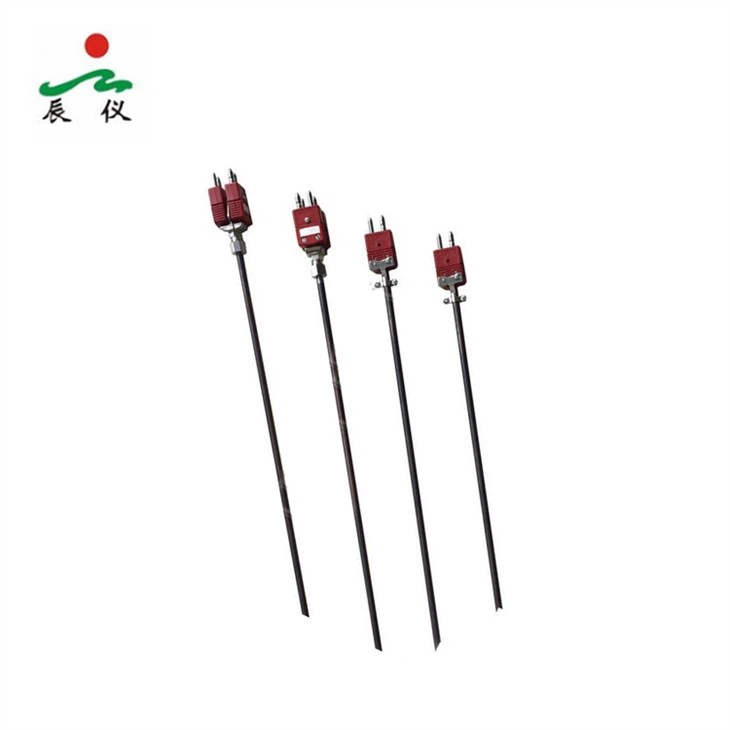
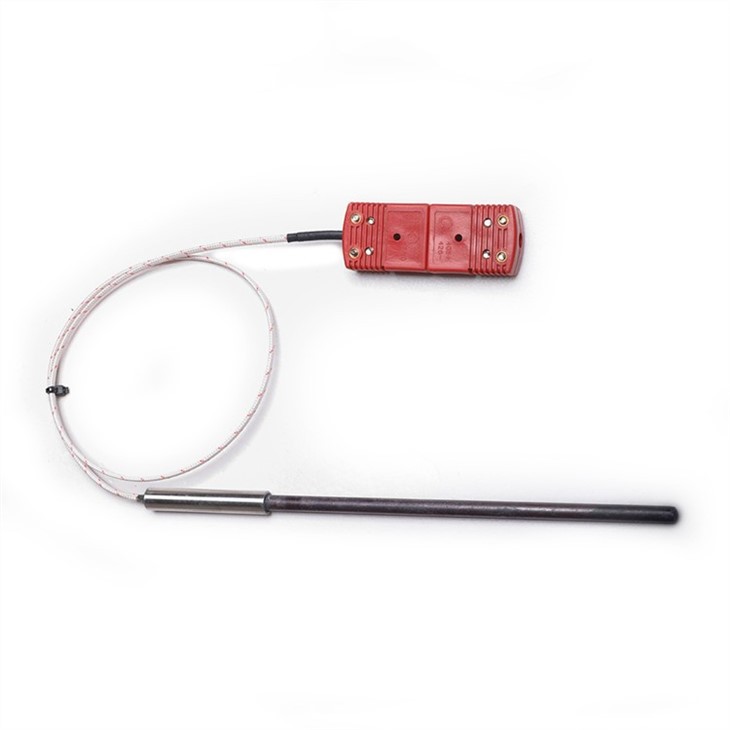
Hey there! As a supplier of C Type Thermocouples, I often get asked about the oxidation resistance of these little yet powerful devices. Let's dive right into it and explore what makes the oxidation resistance of a C type thermocouple so significant.
First off, what exactly is a C type thermocouple? Well, C type thermocouples are part of the high - temperature thermocouple family. They fall under the category of Tungsten Rhenium Thermocouples. These thermocouples are typically made of tungsten and rhenium alloys, which are known for their excellent performance in extremely high - temperature environments. A C type thermocouple consists of a positive leg made of tungsten - 5% rhenium alloy and a negative leg made of tungsten - 26% rhenium alloy.
Now, let's talk about oxidation resistance. Oxidation is a chemical reaction that occurs when a material comes into contact with oxygen. In the case of thermocouples, oxidation can be a real issue because it can affect the accuracy and lifespan of the device. When a thermocouple oxidizes, the metal in its legs can react with oxygen in the air or the surrounding environment, forming metal oxides. These oxides can change the electrical properties of the thermocouple, which in turn can lead to inaccurate temperature readings.
The oxidation resistance of a C type thermocouple is crucial, especially considering the high - temperature applications it is often used in. High temperatures can accelerate the oxidation process. For example, in industrial furnaces, melting pots, or heat - treating processes where temperatures can reach well over 2000°C, the risk of oxidation is extremely high.
So, how does a C type thermocouple fare in terms of oxidation resistance? Well, the tungsten - rhenium alloys used in C type thermocouples have some inherent oxidation - resistant properties. Tungsten is a metal with a high melting point and relatively good resistance to oxidation at high temperatures. Rhenium, on the other hand, is added to the alloys to enhance their mechanical and electrical properties, and it also plays a role in improving oxidation resistance.
However, it's important to note that C type thermocouples are not completely immune to oxidation. In an oxygen - rich environment, even these tough alloys will eventually start to oxidize. The rate of oxidation depends on several factors, such as temperature, the presence of other reactive gases, and the duration of exposure.
Let's take a look at temperature. As the temperature rises, the oxidation rate of the C type thermocouple increases significantly. At lower temperatures (say, below 1000°C), the oxidation is relatively slow, and the thermocouple can maintain its accuracy and performance for a longer time. But as the temperature approaches or exceeds 2000°C, the oxidation process speeds up, and the lifespan of the thermocouple can be significantly reduced.
Another factor is the presence of other reactive gases. In some industrial processes, there may be other gases present, such as sulfur, which can react with the thermocouple legs and exacerbate the oxidation problem. For example, if there is sulfur dioxide in the furnace atmosphere, it can react with the tungsten and rhenium alloys to form sulfides, which can further damage the thermocouple and compromise its performance.
To protect C type thermocouples from oxidation, several measures can be taken. One common method is to use a protective sheath. A sheath is a tube that surrounds the thermocouple legs and provides a physical barrier between the thermocouple and the environment. There are different types of sheaths available, such as ceramic sheaths and metal sheaths. Ceramic sheaths, in particular, are often used in high - temperature applications because they have good thermal insulation properties and can resist oxidation and corrosion. Small and Laboratory Thermocouples also sometimes use these sheaths to ensure accurate temperature measurement.
Another way to improve oxidation resistance is to use a controlled atmosphere. In some industrial processes, the environment around the thermocouple can be controlled to reduce the oxygen content. For example, in a vacuum furnace, the oxygen level is extremely low, which significantly reduces the risk of oxidation. Nitrogen or argon gas can also be used to create an inert atmosphere around the thermocouple, protecting it from oxidation.
Now, you might be wondering why all this talk about oxidation resistance matters. Well, if you're using a C type thermocouple in your industrial process, the accuracy and reliability of temperature measurement are crucial. Oxidation can lead to inaccurate temperature readings, which can result in product quality issues, inefficient processes, and increased costs.
As a supplier of C Type Thermocouples, we understand the importance of oxidation resistance. That's why we offer thermocouples with high - quality materials and advanced manufacturing techniques to ensure the best possible oxidation resistance. We also provide a range of accessories, such as protective sheaths, to help you protect your thermocouples from oxidation and other environmental factors.
If you're in the market for C type thermocouples, or if you have any questions about oxidation resistance or other aspects of these thermocouples, don't hesitate to reach out. Our team of experts is always ready to help you find the right solution for your specific application. Whether you need a thermocouple for a small laboratory experiment or a large - scale industrial process, we have the products and knowledge to meet your needs.
In summary, the oxidation resistance of a C type thermocouple is a critical factor in its performance and lifespan. While tungsten - rhenium alloys have some natural oxidation - resistant properties, the high - temperature environments where these thermocouples are used pose a significant risk of oxidation. By understanding the factors that affect oxidation and taking appropriate protective measures, you can ensure the accurate and reliable operation of your C type thermocouple. So, if you're looking for top - notch C type thermocouples, feel free to get in touch with us for more information and a tailored solution.
References:
Fischer - Cripps, A. C. (2007). Introduction to High - Temperature Electronics. Artech House.
Raju, B. B., & Vedula, K. M. (2010). High - Temperature Alloys for Engineering Applications. Springer.