

Hey there, fellow railway enthusiasts and industry pros! I'm an industry insider and also the supplier of Terminal Heads. Lately, I've been getting a bunch of questions about whether Terminal Heads can be used in railway electrical systems. So, I thought I'd break it down here and share some insights.
Understanding Terminal Heads
Before we dive into the railway-specific stuff, let's quickly go over what Terminal Heads are. Terminal Heads are basically enclosures that house electrical connections. They provide protection to the wires and terminals inside, safeguarding them from environmental factors like dust, moisture, and mechanical damage.
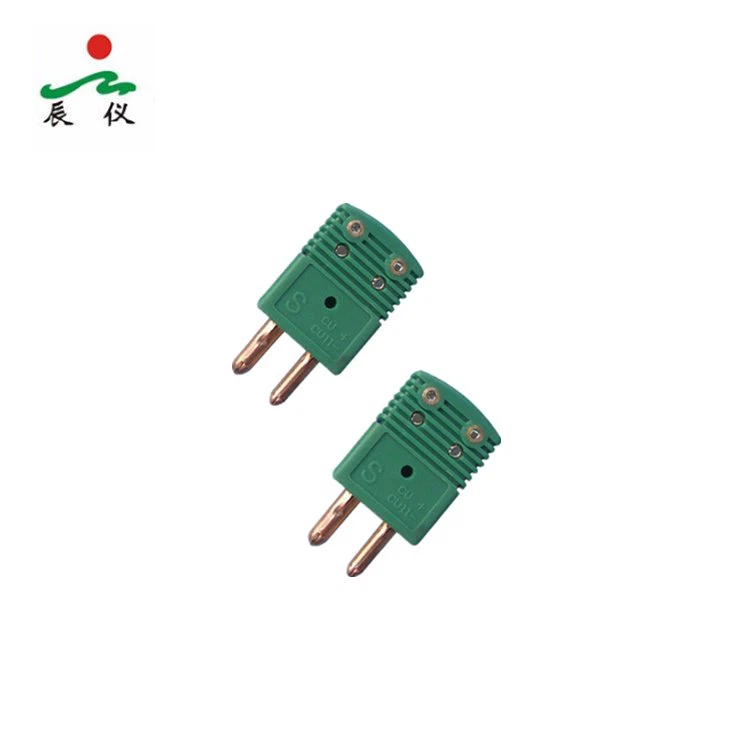
The product range is quite diverse. For instance, we have the DANA Thermocouple Head, which is specifically designed for thermocouple applications. It can accurately measure temperatures and transfer the data reliably. Then there's the S Type Thermocouple Connector. It's a specialized connector for S-type thermocouples, offering high - precision connections and excellent stability. And if you're looking for something more compact, the Mini K Type Connector is a great option. It provides a miniaturized solution for K-type thermocouple connections without sacrificing performance.
Railway Electrical Systems: A Complex Network
Railway electrical systems are no joke. They're a complex web of power distribution, control, and communication circuits. These systems are responsible for everything from powering the trains to controlling signals, lighting, and braking systems.
The environment in a railway system is extremely harsh. Trains are constantly on the move, facing vibrations, shocks, and varying temperatures. There are also issues like electromagnetic interference (EMI) and radio - frequency interference (RFI) that can disrupt the normal operation of electrical components.
Can Terminal Heads Be Used in Railway Electrical Systems?
The short answer is yes, Terminal Heads can definitely be used in railway electrical systems, and here's why.
Protection Against the Elements
As I mentioned earlier, Terminal Heads are designed to protect electrical connections. In a railway environment, where trains operate in all kinds of weather conditions, this protection is crucial. Moisture can cause corrosion of terminals, which can lead to poor electrical connections and even system failures. Terminal Heads prevent water ingress, keeping the connections dry and in good working condition.
Similarly, dust and dirt can accumulate on electrical contacts, increasing resistance and causing overheating. A well - sealed Terminal Head forms a barrier against these contaminants, ensuring the reliability of the electrical system.
Vibration and Shock Resistance
Trains experience a lot of vibration and shock during operation. These mechanical forces can loosen electrical connections, leading to intermittent failures. Terminal Heads are built to withstand these vibrations. They are usually made of sturdy materials and designed with secure locking mechanisms that hold the terminals in place. This way, even under the most severe vibrations, the electrical connections remain intact.
Compatibility with Various Wiring Configurations
Railway electrical systems often have complex wiring requirements. Terminal Heads come in a variety of configurations, allowing them to accommodate different wire sizes and connection types. Whether you're dealing with power cables, control wires, or communication lines, there's likely a Terminal Head that can meet your specific needs.
Electromagnetic Compatibility
EMI and RFI are major concerns in railway electrical systems. These interferences can disrupt the signals in communication and control circuits, leading to malfunctions. Many Terminal Heads are designed with electromagnetic shielding to reduce these interferences. This ensures that the electrical signals are transmitted accurately and without interference, maintaining the integrity of the system.
Real - World Applications
Let's look at some real - world applications of Terminal Heads in railway electrical systems.
Power Distribution
In a train, power needs to be distributed from the main power source to various components such as motors, heaters, and lighting systems. Terminal Heads are used to connect the power cables, ensuring a safe and reliable power transfer. They protect the connections from short - circuits and overheating, reducing the risk of electrical fires.
Control Circuits
Control circuits are responsible for regulating the operation of different train functions, such as braking and acceleration. Terminal Heads are used to connect the sensors, switches, and control modules in these circuits. By providing a stable and protected connection, they help ensure that the control signals are transmitted accurately, enabling precise control of the train.

Communication Systems
Modern trains rely heavily on communication systems for activities like train - to - train communication, train - to - ground communication, and on - board passenger information systems. Terminal Heads are used to connect the communication cables, protecting the connections from interference and ensuring clear and reliable communication.
Considerations When Using Terminal Heads in Railway Electrical Systems
While Terminal Heads are a great fit for railway electrical systems, there are a few things to consider.
Standards and Regulations
The railway industry is highly regulated, and there are specific standards that electrical components must meet. When choosing Terminal Heads, make sure they comply with relevant railway standards, such as EN 50155 for railway electronic equipment. This ensures that the Terminal Heads are safe and reliable for use in railway applications.
Customization
Every railway system is unique, and you may need Terminal Heads that are customized to your specific requirements. Look for a supplier who can offer customization services, such as different sizes, colors, and connection configurations. This way, you can get Terminal Heads that fit perfectly into your system.
Maintenance
Regular maintenance is essential to keep Terminal Heads in good working condition. Inspect them periodically for signs of damage, such as cracks or loose connections. Clean the terminals to remove any dirt or corrosion. By performing regular maintenance, you can extend the lifespan of the Terminal Heads and ensure the long - term reliability of the electrical system.
Conclusion
In conclusion, Terminal Heads are a great choice for railway electrical systems. They offer protection against the elements, vibration and shock resistance, compatibility with various wiring configurations, and electromagnetic compatibility. With their diverse range, including products like the DANA Thermocouple Head, S Type Thermocouple Connector, and Mini K Type Connector, they can meet the complex needs of railway applications.
If you're in the market for Terminal Heads for your railway electrical system, I'd love to have a chat. Feel free to reach out and let's discuss your specific requirements. Whether it's a standard product or a customized solution, we've got you covered.
References
- Railway Electric Systems Handbook
- EMC Standards in Railway Industry
- Product Manuals of Terminal Heads
