

As a supplier of C type thermocouples, I often receive inquiries about their resistance characteristics. Understanding the resistance of a C type thermocouple is crucial for accurate temperature measurement and proper application in various industrial processes. In this blog post, I will delve into the concept of resistance in C type thermocouples, its influencing factors, and its significance in practical use.
Basics of C Type Thermocouples
C type thermocouples, also known as tungsten - rhenium thermocouples, are designed for high - temperature applications. They are composed of a positive leg made of tungsten - 5% rhenium alloy and a negative leg made of tungsten - 26% rhenium alloy. These thermocouples can measure temperatures up to approximately 2320°C (4208°F), making them suitable for extremely high - temperature environments such as in aerospace, metal processing, and high - temperature furnaces.
What is Resistance in a Thermocouple?
Resistance in a thermocouple refers to the opposition that the thermocouple wire offers to the flow of electric current. It is a fundamental electrical property that is affected by several factors, including the material of the thermocouple wires, their cross - sectional area, length, and temperature.
The resistance of a wire can be calculated using Ohm's law, which states that (R=\frac{V}{I}), where (R) is the resistance in ohms ((\Omega)), (V) is the voltage across the wire in volts ((V)), and (I) is the current flowing through the wire in amperes ((A)). For a thermocouple, the resistance is an important parameter because it can affect the accuracy of temperature measurement.
Factors Affecting the Resistance of a C Type Thermocouple
Material
The materials used in C type thermocouples, tungsten - rhenium alloys, have specific resistivity values. Resistivity ((\rho)) is a property of the material that determines how strongly it resists the flow of electric current. Tungsten - rhenium alloys have relatively high resistivity compared to some other common metals, which means they offer more resistance to the flow of current.
Cross - sectional Area
The cross - sectional area ((A)) of the thermocouple wire is inversely proportional to its resistance. A larger cross - sectional area allows for easier flow of electrons, resulting in lower resistance. For example, if we have two C type thermocouples of the same length and material, but one has a larger wire diameter, the one with the larger diameter will have lower resistance.
Length
The length ((L)) of the thermocouple wire is directly proportional to its resistance. A longer wire has more atoms for the electrons to interact with as they flow through, increasing the resistance. When installing a C type thermocouple, it is important to consider the length of the wire required for the application, as a long wire may introduce additional resistance that can affect the measurement accuracy.
Temperature
Temperature has a significant impact on the resistance of a C type thermocouple. As the temperature increases, the resistance of the thermocouple wire also increases. This is because at higher temperatures, the atoms in the wire vibrate more vigorously, which makes it more difficult for the electrons to flow through the wire. This temperature - dependent change in resistance must be taken into account when using a C type thermocouple for temperature measurement.
Significance of Resistance in C Type Thermocouple Applications
Accuracy of Temperature Measurement
The resistance of a C type thermocouple can affect the accuracy of temperature measurement. In a thermocouple circuit, the measured voltage is used to determine the temperature based on the Seebeck effect. However, if the resistance of the thermocouple wire is too high, it can cause a voltage drop in the circuit, leading to an inaccurate temperature reading. Therefore, it is important to keep the resistance of the thermocouple within an acceptable range to ensure accurate temperature measurement.
Signal Transmission
In industrial applications, the thermocouple signal needs to be transmitted over a certain distance to a temperature controller or data acquisition system. High resistance in the thermocouple wire can cause signal attenuation, which means that the strength of the signal decreases as it travels through the wire. This can result in a loss of information and inaccurate temperature control. By minimizing the resistance of the thermocouple, we can ensure reliable signal transmission.
Measuring the Resistance of a C Type Thermocouple
To measure the resistance of a C type thermocouple, a multimeter can be used. The multimeter should be set to the resistance measurement mode. The two probes of the multimeter are connected to the two ends of the thermocouple wire. It is important to ensure that the thermocouple is at a stable temperature during the measurement, as the resistance changes with temperature.
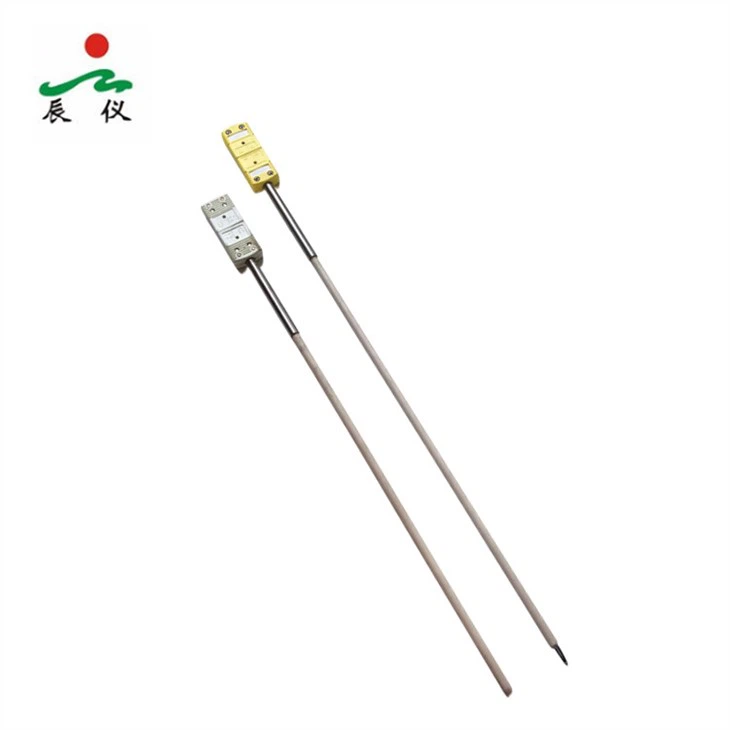
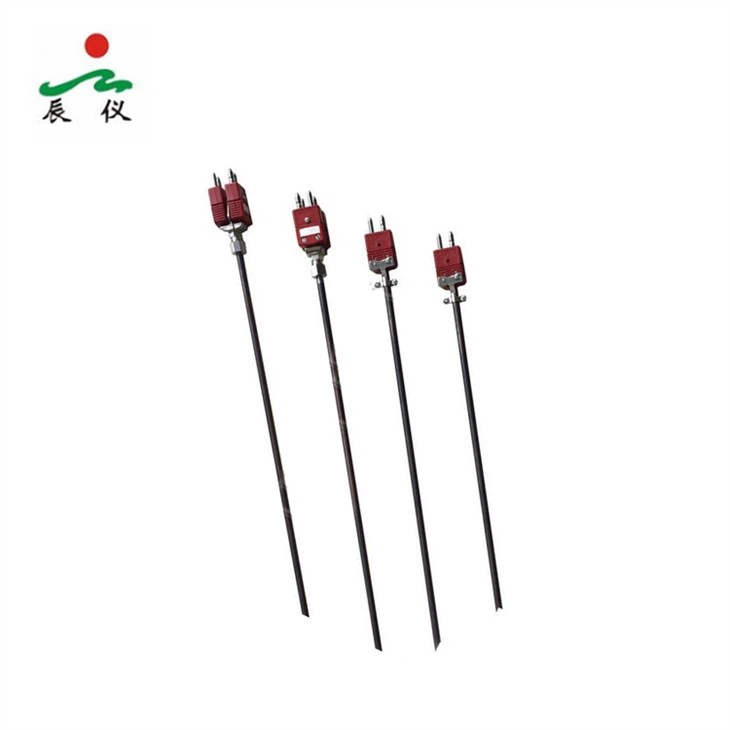
Comparing C Type Thermocouples with Other Types
When comparing C type thermocouples with other types such as the S Type Thermocouple With Plug and WRe526 Thermocouple, their resistance characteristics are different. S type thermocouples, which are made of platinum - rhodium alloys, have different resistivity values compared to C type thermocouples. They are typically used in lower - temperature applications compared to C type thermocouples, and their resistance values are also affected by factors such as material, length, and temperature in a similar but different way.
The Tungsten Rhenium Thermocouple category, which includes C type thermocouples, is known for its high - temperature capabilities. The resistance of tungsten - rhenium thermocouples is relatively high due to the properties of the tungsten - rhenium alloys, but this is compensated by their ability to withstand extremely high temperatures.
Managing Resistance in C Type Thermocouple Installations
To manage the resistance of a C type thermocouple in an installation, several steps can be taken. First, choose the appropriate wire gauge (cross - sectional area) based on the application requirements. A larger wire gauge can reduce the resistance, but it may also be more expensive and less flexible. Second, keep the length of the thermocouple wire as short as possible to minimize the resistance. Finally, ensure proper insulation of the thermocouple wire to prevent any short - circuits or leakage currents that can affect the resistance and measurement accuracy.
Conclusion
In conclusion, the resistance of a C type thermocouple is an important parameter that affects its performance in high - temperature applications. It is influenced by factors such as material, cross - sectional area, length, and temperature. Understanding and managing the resistance of a C type thermocouple is crucial for accurate temperature measurement and reliable signal transmission.
If you are in need of high - quality C type thermocouples for your industrial applications, we are here to provide you with the best solutions. Our C type thermocouples are manufactured with strict quality control to ensure optimal performance. Contact us for more information and to discuss your specific requirements. We look forward to partnering with you for all your thermocouple needs.
References
- ASTM E230 - 17, Standard Specification and Temperature - Emf Tables for Standardized Thermocouples.
- R. P. Reed, "Thermocouple Reference Tables", CRC Press, 2003.
- International Temperature Scale of 1990 (ITS - 90) Technical Document.
