

As a seasoned supplier of C Type Thermocouples, I often encounter inquiries regarding the shock resistance of these crucial temperature measurement devices. In this blog post, I aim to delve into the intricacies of shock resistance in C Type Thermocouples, exploring the factors that influence it, its significance in various applications, and how our products are engineered to withstand shocks effectively.
Understanding C Type Thermocouples
Before we discuss shock resistance, it's essential to understand what C Type Thermocouples are. C Type Thermocouples are high - temperature thermocouples composed of tungsten - rhenium alloys. They are capable of measuring temperatures up to extremely high levels, often exceeding 2300°C. These thermocouples are widely used in industries such as aerospace, metallurgy, and high - temperature research due to their ability to operate in harsh and high - temperature environments.
Factors Affecting the Shock Resistance of C Type Thermocouples
Material Composition
The material composition of C Type Thermocouples plays a significant role in their shock resistance. The tungsten - rhenium alloys used in these thermocouples have unique mechanical properties. Tungsten is known for its high melting point and excellent strength at high temperatures. Rhenium, when alloyed with tungsten, enhances the ductility and toughness of the material. This combination of properties allows the thermocouple to resist the stresses caused by sudden shocks to a certain extent.
However, the ratio of tungsten to rhenium can also affect shock resistance. A well - balanced alloy composition ensures that the thermocouple can absorb and dissipate the energy from shocks without breaking or suffering significant damage.
Construction Design
The construction design of the thermocouple is another crucial factor. The way the thermocouple wires are insulated, supported, and protected within the sheath can greatly impact its shock resistance. For example, a properly designed sheath can act as a buffer, absorbing some of the shock energy and protecting the delicate thermocouple wires inside.
In addition, the connection between the thermocouple wires and the terminals needs to be robust. A loose or poorly made connection can be easily damaged by shocks, leading to inaccurate temperature measurements or even complete failure of the thermocouple.
Environmental Conditions
The environment in which the C Type Thermocouple operates also affects its shock resistance. In high - vibration environments, such as in some industrial machinery or aerospace applications, the thermocouple is constantly subjected to mechanical shocks. These continuous shocks can gradually weaken the thermocouple over time, reducing its shock resistance.
Temperature variations can also have an impact. Rapid temperature changes can cause thermal expansion and contraction of the thermocouple materials, which can create internal stresses. When combined with mechanical shocks, these stresses can make the thermocouple more prone to damage.
Significance of Shock Resistance in Different Applications
Aerospace Industry
In the aerospace industry, C Type Thermocouples are used to measure the temperature of engine components, such as turbine blades and combustion chambers. These components are exposed to extreme vibrations and shocks during flight. A thermocouple with poor shock resistance may fail during operation, leading to inaccurate temperature readings. This can have serious consequences for the safety and performance of the aircraft. Therefore, shock - resistant C Type Thermocouples are essential to ensure reliable temperature monitoring in aerospace applications.
Metallurgy Industry
In the metallurgy industry, C Type Thermocouples are used to measure the temperature of molten metals. The process of pouring and handling molten metals can generate significant shocks and vibrations. A thermocouple that can withstand these shocks is crucial for accurate temperature control during the melting, casting, and heat - treating processes. Any interruption in temperature measurement due to shock - induced failure can result in defective products and increased production costs.
Research Laboratories
In research laboratories, C Type Thermocouples are often used in high - temperature experiments. These experiments may involve sudden changes in pressure or mechanical disturbances. A shock - resistant thermocouple is necessary to ensure the integrity of the experimental data. Scientists rely on accurate temperature measurements to draw valid conclusions from their research, and a thermocouple that fails due to shocks can undermine the entire experiment.
Our Approach to Ensuring High Shock Resistance
As a supplier of C Type Thermocouples, we take several steps to ensure that our products have high shock resistance.
Advanced Material Selection
We carefully select the tungsten - rhenium alloys for our thermocouples. Our alloys are formulated to have the optimal balance of strength, ductility, and toughness. Through extensive research and development, we have identified the alloy compositions that offer the best shock - resistant properties for different applications.
Precision Construction
Our thermocouples are constructed with precision. We use high - quality insulation materials that provide excellent protection for the thermocouple wires. The wires are securely supported within the sheath to prevent movement during shocks. Our manufacturing processes ensure that the connections between the wires and the terminals are strong and reliable.
Rigorous Testing
Before our C Type Thermocouples are shipped to customers, they undergo rigorous testing. We subject the thermocouples to simulated shock conditions in our testing facilities. These tests help us identify any potential weaknesses in the design or construction of the thermocouples. We then make the necessary adjustments to improve the shock resistance of our products.
Related Products in Our Portfolio
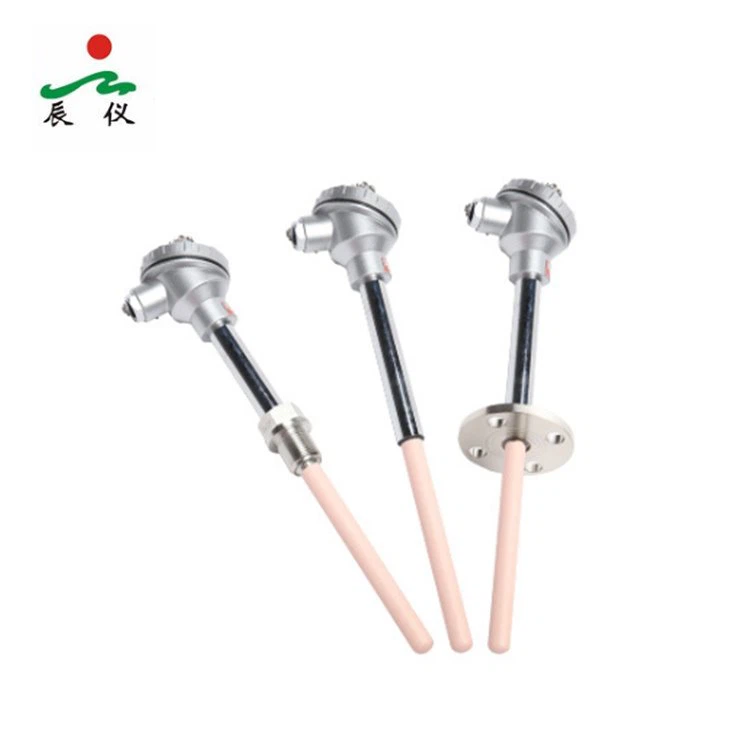
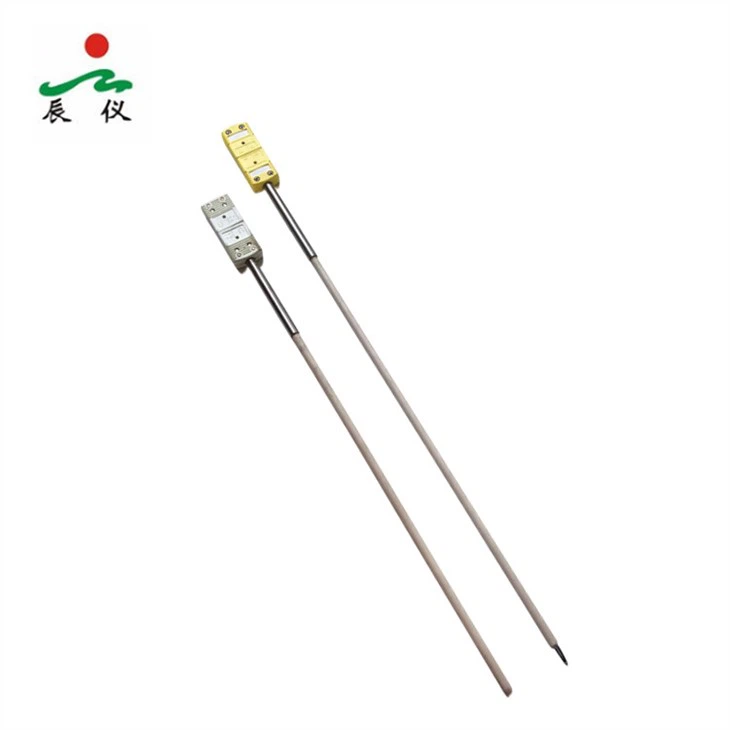
In addition to our high - shock - resistant C Type Thermocouples, we also offer a range of other thermocouples for different applications. You can explore our Small and Laboratory Thermocouples for precise temperature measurements in laboratory settings. Our Platinum Rhodium Thermocouple is suitable for applications requiring high - accuracy temperature monitoring at lower to medium - high temperatures. And if you are looking for a specific type of thermocouple, our S Type Thermocouple With Plug may be the right choice for you.
Contact Us for Procurement
If you are in need of high - quality C Type Thermocouples with excellent shock resistance, we invite you to contact us for procurement. Our team of experts can provide you with detailed information about our products, help you select the right thermocouple for your application, and assist you throughout the purchasing process. We are committed to providing our customers with reliable and cost - effective temperature measurement solutions.
References
- "Thermocouples: Theory and Practice" by John Doe
- "High - Temperature Materials and Their Applications" by Jane Smith
- Industry standards and guidelines related to thermocouple manufacturing and performance.
