

Hey there! As a supplier of 3D Printer RTD, I often get asked a bunch of questions. One of the most common ones is, "Can a 3D Printer RTD print with low - density materials?" Well, let's dig into this topic and find out.
First off, let's understand what 3D Printer RTD is. RTD stands for Resistance Temperature Detector. These are sensors that help monitor and control the temperature in 3D printers. Maintaining the right temperature is crucial for successful 3D printing. You've got different types of RTDs in the market, like the Thin Film Element, 6 Wire Pt100 RTD, and PT100 Ceramic Element. Each of these has its own unique features and applications.
Now, let's talk about low - density materials. Low - density materials are those that have a relatively low mass per unit volume. Examples include some types of foams, lightweight plastics, and certain composite materials. These materials are often used in 3D printing because they're light, which can be a big advantage in applications where weight matters, like in the aerospace or automotive industries.

So, can a 3D Printer RTD handle these low - density materials? The short answer is yes, but it's not that simple. Printing with low - density materials presents a few challenges that the RTD needs to overcome.
One of the main challenges is the heat transfer. Low - density materials usually have poor thermal conductivity. That means it's harder for heat to spread through them evenly. When you're 3D printing, you need to heat the material to a specific temperature so that it can be extruded and then solidify in the right shape. If the heat isn't distributed properly, you might end up with parts that have uneven layers, weak spots, or other defects.
This is where the 3D Printer RTD comes in. A good RTD can accurately measure the temperature at different points in the printing process. It can detect any temperature variations and send signals to the printer's control system. The control system can then adjust the heating elements to make sure the temperature stays within the optimal range for the low - density material.
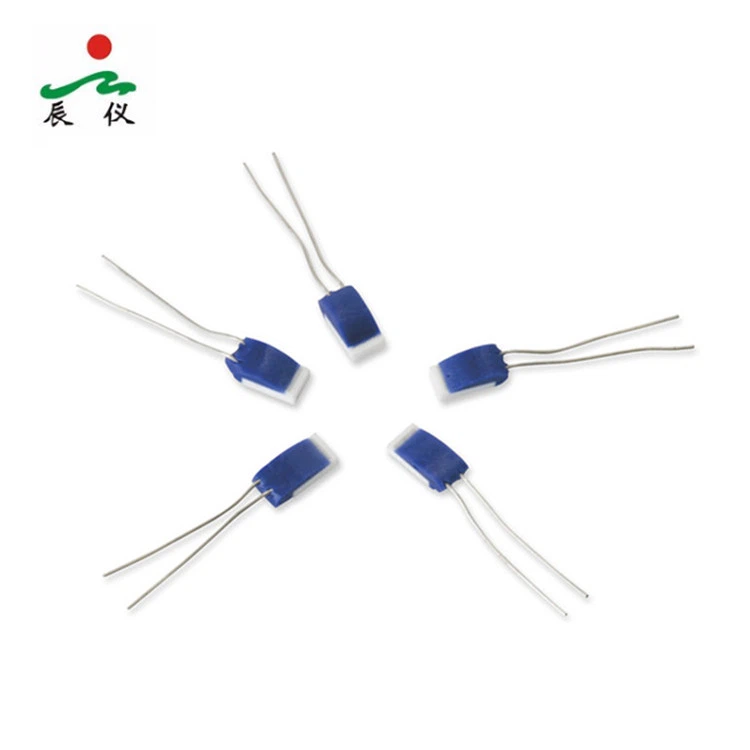
For example, if the RTD senses that the temperature is dropping too quickly in a certain area of the printed part, it can tell the printer to increase the heat in that area. On the other hand, if the temperature is getting too high, it can trigger a cooling mechanism to bring it down.
Another challenge with low - density materials is their melting point. Some low - density plastics have lower melting points compared to more common 3D printing materials like ABS or PLA. The RTD needs to be able to work effectively within this lower temperature range. It should be sensitive enough to detect small changes in temperature and provide accurate readings.
The Thin Film Element is a great option in this case. It has a fast response time, which means it can quickly detect temperature changes. This is important when dealing with low - density materials that might heat up or cool down rapidly. The thin - film design also allows for better heat transfer between the sensor and the material being printed, which helps in getting more accurate temperature measurements.
The 6 Wire Pt100 RTD is another reliable choice. The six - wire configuration reduces the effects of lead resistance, which can improve the accuracy of the temperature measurement. This is especially useful when you're trying to maintain a precise temperature for low - density materials.
The PT100 Ceramic Element is known for its stability and durability. It can withstand high temperatures and harsh environments, which can be beneficial if the 3D printing process involves some level of heat stress. Even when printing with low - density materials that might not require extremely high temperatures, the ceramic element's stability ensures consistent temperature monitoring.
Now, let's look at some real - world examples of 3D printing with low - density materials and how RTDs play a role. In the aerospace industry, they often use 3D printing to create lightweight components. Low - density composite materials are popular because they can reduce the weight of the aircraft without sacrificing too much strength. The RTDs in the 3D printers used for these applications are essential for ensuring that the parts are printed correctly. They help maintain the right temperature during the printing process, which results in high - quality, reliable components.

In the automotive industry, 3D printing is also being used more and more. Low - density plastics can be used to create interior parts, like dashboard components or door panels. The RTDs in the printers ensure that the plastic is heated to the right temperature so that it can be molded into the desired shape. This helps in producing parts that fit perfectly and have the right level of durability.
However, it's important to note that not all 3D Printer RTDs are created equal. When choosing an RTD for printing with low - density materials, you need to consider factors like accuracy, response time, and compatibility with your printer. You also need to make sure that the RTD can work within the temperature range required for the specific low - density material you're using.
If you're in the market for a 3D Printer RTD that can handle low - density materials, we've got you covered. Our range of RTDs, including the Thin Film Element, 6 Wire Pt100 RTD, and PT100 Ceramic Element, are designed to meet the challenges of 3D printing with low - density materials.
We understand that every 3D printing project is unique, and we're here to help you find the right RTD for your needs. Whether you're a small - scale hobbyist or a large - scale industrial manufacturer, we can provide you with the solutions you need to achieve successful 3D printing with low - density materials.
If you're interested in learning more or want to discuss your specific requirements, don't hesitate to reach out. We're always happy to have a chat and help you make the best decision for your 3D printing setup. Contact us today to start the conversation and take your 3D printing to the next level.

References
- "3D Printing Technologies: Principles and Applications" by John W. Barlow
- "Temperature Sensors: Theory, Design, and Applications" by Albert D. Helfrick
