

Can Thin Film Elements Be Used in Agricultural Sensors?
As a supplier of Thin Film Elements, I've been constantly exploring the diverse applications of these remarkable components. One area that has recently caught my attention is agriculture. The question of whether thin film elements can be used in agricultural sensors is not only relevant but also holds great potential for the future of farming.
The Basics of Thin Film Elements
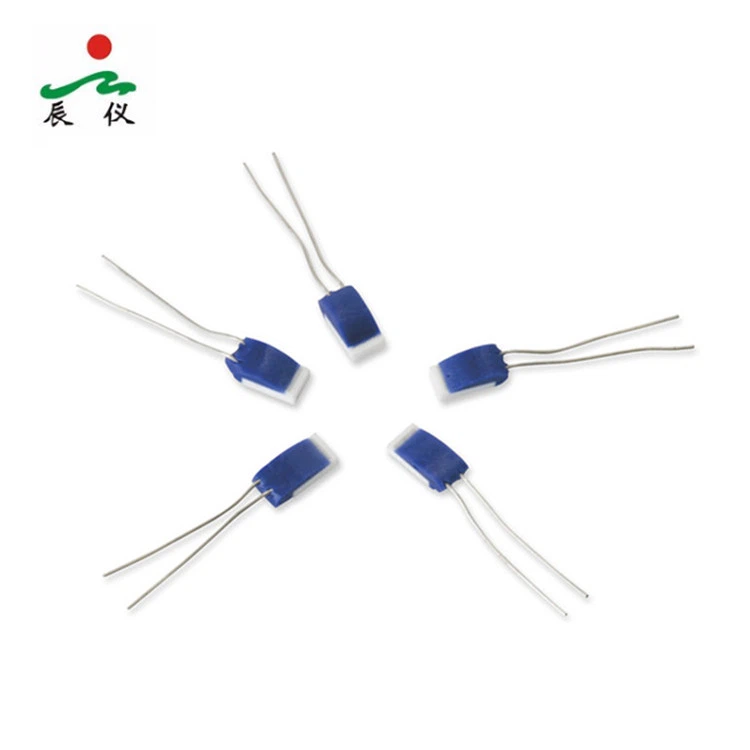
Before delving into their potential in agriculture, let's first understand what thin film elements are. A Thin Film Element is a type of sensor component that is fabricated using thin film deposition techniques. These elements are typically made by depositing a thin layer of conductive or semi - conductive material onto a substrate. The thin film structure offers several advantages, such as high precision, fast response times, and excellent stability.
For example, the 3D Printer RTD is a well - known application of thin film technology. It uses the precise temperature sensing capabilities of thin film elements to ensure accurate temperature control during the 3D printing process. Similarly, the PT100 Ceramic Element is another example that demonstrates the reliability and accuracy of thin film technology in temperature sensing.
The Need for Advanced Sensors in Agriculture
Agriculture is undergoing a significant transformation, moving towards more precision and sustainable practices. The use of advanced sensors is crucial for this transformation. These sensors can provide real - time data on various environmental factors such as soil temperature, humidity, and nutrient levels. This data allows farmers to make informed decisions about irrigation, fertilization, and pest control, ultimately leading to increased crop yields and reduced environmental impact.
For instance, soil temperature is a critical factor that affects seed germination, root growth, and nutrient uptake. By accurately monitoring soil temperature, farmers can determine the optimal time for planting and adjust their irrigation schedules accordingly. Humidity sensors can help prevent the growth of fungi and other diseases by alerting farmers when the humidity levels are too high. Nutrient sensors can detect the levels of essential elements such as nitrogen, phosphorus, and potassium in the soil, enabling farmers to apply the right amount of fertilizers.
Advantages of Using Thin Film Elements in Agricultural Sensors
- High Precision: Thin film elements offer high precision in sensing various parameters. In agriculture, this precision can make a significant difference. For example, in soil temperature sensing, a small error in temperature measurement can lead to incorrect planting decisions. The high precision of thin film elements ensures that farmers get accurate data, which is essential for making informed decisions.
- Fast Response Time: In a dynamic agricultural environment, sensors need to have a fast response time to capture real - time changes. Thin film elements can respond quickly to changes in temperature, humidity, or other environmental factors. This allows farmers to react promptly to any changes in the growing conditions, such as sudden temperature drops or increases in humidity.
- Miniaturization: Thin film elements can be fabricated in very small sizes. This miniaturization is beneficial for agricultural sensors as it allows for easy installation in the field without disturbing the soil or the crops. Small - sized sensors can also be placed in multiple locations to get a more comprehensive understanding of the environmental conditions across the farm.
- Stability: Agricultural sensors are exposed to harsh environmental conditions, including extreme temperatures, moisture, and chemicals. Thin film elements are known for their stability under such conditions. They can maintain their performance over a long period, reducing the need for frequent sensor replacements and maintenance.
Challenges and Solutions
While thin film elements have many advantages for agricultural sensors, there are also some challenges that need to be addressed.

- Cost: The fabrication process of thin film elements can be relatively expensive. However, as the technology matures and the demand for agricultural sensors increases, economies of scale can be achieved. This will lead to a reduction in the cost of thin film elements, making them more accessible for farmers.
- Compatibility with Agricultural Environments: Although thin film elements are stable, they still need to be protected from certain agricultural chemicals and extreme weather conditions. Encapsulation techniques can be used to protect the thin film elements from these harsh environments. For example, using a protective coating can prevent the sensors from being damaged by pesticides or fertilizers.
- Data Integration: Agricultural sensors generate a large amount of data. Integrating this data into existing farm management systems can be a challenge. However, with the development of modern data management and analytics tools, it is becoming easier to collect, analyze, and interpret the data generated by thin film - based agricultural sensors.
Real - World Applications
There are already some real - world applications of thin film elements in agricultural sensors. For example, some soil temperature sensors use thin film RTDs (Resistance Temperature Detectors) to accurately measure the temperature at different depths in the soil. These sensors can be buried in the soil and connected to a data logger, which records the temperature data over time.
Another application is in greenhouse climate control. Thin film humidity sensors can be installed in greenhouses to monitor the humidity levels. Based on the data from these sensors, the ventilation and irrigation systems can be adjusted to maintain the optimal growing conditions for the plants.
Conclusion
In conclusion, thin film elements have great potential for use in agricultural sensors. Their high precision, fast response time, miniaturization, and stability make them suitable for the demanding requirements of modern agriculture. Although there are some challenges such as cost and environmental compatibility, these can be overcome with technological advancements and innovative solutions.
As a supplier of Thin Film Elements, I am excited about the possibilities that these components offer for the agricultural industry. I believe that by working together with farmers, researchers, and other stakeholders, we can develop more advanced and reliable agricultural sensors using thin film technology.
If you are interested in exploring the use of thin film elements in your agricultural sensors, I encourage you to reach out for a procurement discussion. We can work together to find the best solutions for your specific needs.
References
- Smith, J. (2020). Precision Agriculture: The Future of Farming. Journal of Agricultural Technology, 15(2), 45 - 56.
- Johnson, A. (2019). Advances in Sensor Technology for Agriculture. Agricultural Science Review, 22(3), 78 - 89.
- Brown, C. (2021). Thin Film Technology: Principles and Applications. Sensor Science Journal, 30(1), 12 - 25.
