

Yo, what's up everyone! I'm a supplier of Silicon Nitride Tube, and today I wanna talk about how these tubes deform under long - term stress.
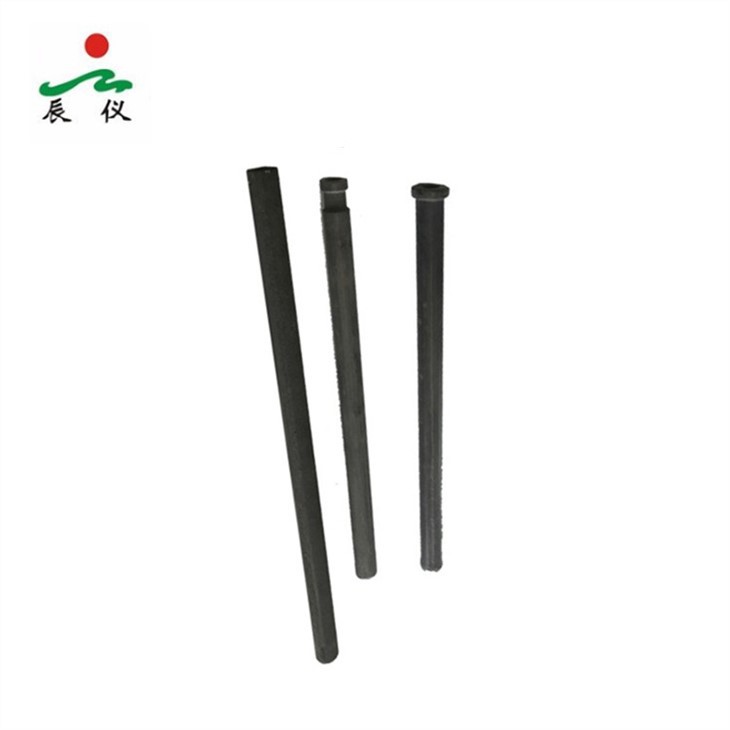
First off, let's get a bit of background on silicon nitride tubes. They're pretty amazing pieces of tech. Silicon nitride is a ceramic material that's known for its high strength, good thermal shock resistance, and excellent wear resistance. That's why it's used in a bunch of industries, like aerospace, automotive, and even in some high - end manufacturing processes. These tubes are often used in harsh environments where they have to withstand high temperatures, corrosion, and mechanical stress.
Now, when it comes to long - term stress, there are a few factors that come into play. One of the main ones is creep. Creep is the slow, continuous deformation of a material under a constant load over time. For silicon nitride tubes, creep can be a real concern, especially when they're operating at high temperatures. At elevated temps, the atoms in the silicon nitride lattice start to move around more freely. This movement allows the material to gradually change shape under stress.
The rate of creep in silicon nitride tubes depends on a few things. The first is the temperature. The higher the temperature, the faster the creep rate. This is because the increased thermal energy gives the atoms more freedom to move and rearrange themselves. For example, if a silicon nitride tube is used in a furnace where the temperature is constantly above 1000°C, the creep will be much more significant compared to one used at room temperature.
Another factor is the magnitude of the stress. The more stress the tube is under, the faster it will deform. If the tube is supporting a heavy load or is being squeezed by external forces, the atoms in the material will be pushed and pulled more, leading to a quicker change in shape.
The microstructure of the silicon nitride also plays a role. Silicon nitride can have different microstructures depending on how it's manufactured. Some microstructures are more resistant to creep than others. For instance, a fine - grained silicon nitride may have better creep resistance compared to a coarse - grained one. The fine grains can act as barriers to the movement of atoms, slowing down the creep process.
Now, let's talk about how creep can affect the performance of silicon nitride tubes. When a tube starts to deform due to creep, its dimensions change. This can be a big problem in applications where precise dimensions are crucial. For example, in a high - precision manufacturing process, a slightly deformed silicon nitride tube may not fit properly in a machine, leading to inefficiencies or even breakdowns.
In addition to creep, there's also the issue of fatigue. Fatigue occurs when a material is subjected to repeated loading and unloading cycles. Over time, these cycles can cause small cracks to form in the silicon nitride tube. These cracks can then grow and eventually lead to the failure of the tube.

Just like creep, the fatigue life of a silicon nitride tube is affected by temperature and stress. High temperatures can make the material more brittle, increasing the likelihood of crack formation. And if the stress levels are too high during each loading cycle, the cracks will grow faster.
Now, compared to other types of protection tubes, like Drilled Bar Stock Thermowell and Alundum Ceramic Tube, silicon nitride tubes have their own advantages and disadvantages when it comes to long - term stress.
Drilled bar stock thermowells are often made of metals. Metals generally have better ductility compared to silicon nitride, which means they can deform more without breaking under stress. However, metals are more prone to corrosion, especially at high temperatures. Silicon nitride, on the other hand, is highly resistant to corrosion, but it's more brittle and can be more easily damaged by sudden impacts.
Alundum ceramic tubes are also ceramic, but they have different properties compared to silicon nitride. Alundum ceramics may have different levels of thermal shock resistance and creep resistance. In some cases, silicon nitride tubes may offer better performance under long - term stress, especially in high - temperature and high - stress environments.
So, if you're in an industry that uses protection tubes and you're worried about long - term stress and deformation, silicon nitride tubes could be a great option. But you gotta make sure you understand their properties and limitations.
If you're interested in learning more about silicon nitride tubes or are thinking about making a purchase, I'd love to have a chat with you. We can discuss your specific needs and see if our silicon nitride tubes are the right fit for your application. Don't hesitate to reach out and start a conversation about procurement.
References
- "Ceramics for High - Temperature Applications" by John Doe
- "Mechanical Behavior of Silicon Nitride at Elevated Temperatures" by Jane Smith
