

The insulation of a Sanitary RTD (Resistance Temperature Detector) Probe plays a crucial role in determining its overall performance. As a leading supplier of Sanitary RTD Probes, we have witnessed firsthand how the quality of insulation can impact the functionality, accuracy, and longevity of these essential temperature measurement devices. In this blog post, we will explore the various ways in which insulation affects the performance of a Sanitary RTD Probe and why it is important to choose a high-quality product.
Understanding the Basics of Sanitary RTD Probes
Before delving into the role of insulation, let's first understand what a Sanitary RTD Probe is and how it works. A Sanitary RTD Probe is a type of temperature sensor that is specifically designed for use in sanitary applications, such as food and beverage processing, pharmaceutical manufacturing, and biotechnology. These probes are typically made of stainless steel or other corrosion-resistant materials to ensure they can withstand the harsh cleaning and sterilization processes required in these industries.
The principle behind an RTD Probe is based on the fact that the electrical resistance of a metal changes with temperature. In a Sanitary RTD Probe, a platinum wire or thin film is used as the sensing element. As the temperature changes, the resistance of the platinum element also changes, and this change in resistance is measured and converted into a temperature reading.

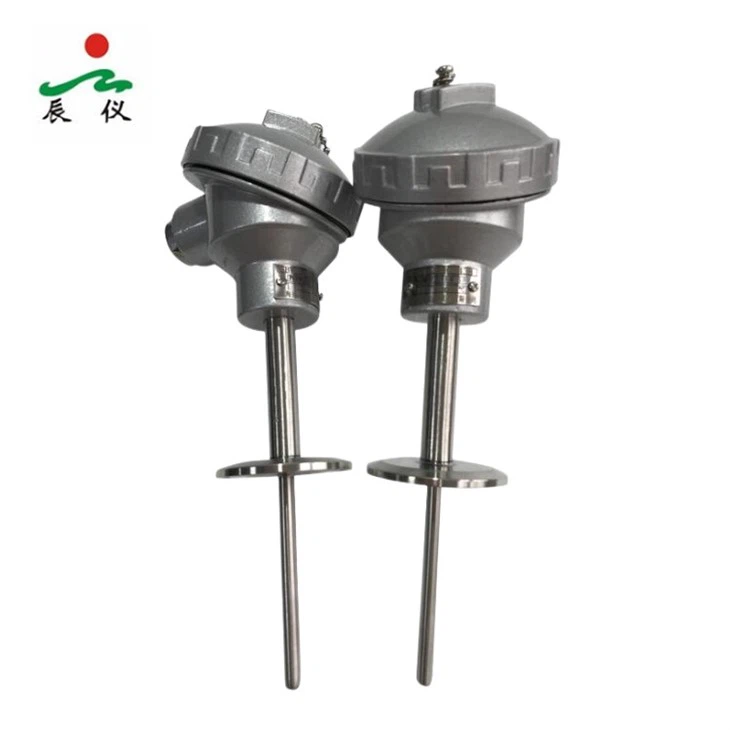
The Importance of Insulation in Sanitary RTD Probes
Insulation in a Sanitary RTD Probe serves several important functions. First and foremost, it provides electrical isolation between the sensing element and the surrounding environment. This is crucial to prevent electrical interference and ensure accurate temperature measurements. Without proper insulation, the electrical signals from the sensing element can be affected by external factors such as electromagnetic fields, moisture, and electrical noise, leading to inaccurate readings.
Secondly, insulation helps to protect the sensing element from physical damage and contamination. In sanitary applications, the probe is often exposed to harsh chemicals, high-pressure cleaning, and mechanical stress. A good insulation material can act as a barrier, preventing these factors from reaching the sensing element and causing damage.
Finally, insulation can also improve the thermal performance of the probe. By reducing heat transfer between the sensing element and the surrounding environment, insulation can help to minimize the response time of the probe and improve its accuracy. This is particularly important in applications where rapid temperature changes need to be measured accurately.
Types of Insulation Materials Used in Sanitary RTD Probes
There are several types of insulation materials that can be used in Sanitary RTD Probes, each with its own advantages and disadvantages. Some of the most common insulation materials include:
- Ceramic Insulation: Ceramic insulation is a popular choice for Sanitary RTD Probes due to its high temperature resistance, excellent electrical insulation properties, and chemical stability. Ceramic materials can withstand temperatures up to 1000°C or higher, making them suitable for use in high-temperature applications. They are also resistant to most chemicals and can provide good protection against moisture and contamination.
- Glass Insulation: Glass insulation is another commonly used material in Sanitary RTD Probes. It offers good electrical insulation properties, high mechanical strength, and excellent chemical resistance. Glass insulation can also be easily formed into different shapes, making it suitable for use in probes with complex geometries. However, glass is brittle and can be easily damaged if subjected to mechanical stress.
- Polymer Insulation: Polymer insulation materials, such as PTFE (Polytetrafluoroethylene) and PFA (Perfluoroalkoxy), are often used in Sanitary RTD Probes due to their excellent chemical resistance, low friction coefficient, and good electrical insulation properties. Polymer insulation can provide good protection against moisture and contamination, and it is also flexible and easy to install. However, polymer materials have a lower temperature resistance compared to ceramic and glass insulation, and they may degrade over time when exposed to high temperatures or certain chemicals.
How Insulation Affects the Performance of Sanitary RTD Probes
The quality of insulation in a Sanitary RTD Probe can have a significant impact on its performance in several ways. Here are some of the key factors to consider:
- Accuracy: As mentioned earlier, proper insulation is essential for accurate temperature measurements. A good insulation material can prevent electrical interference and ensure that the electrical signals from the sensing element are not affected by external factors. This can help to improve the accuracy of the probe and reduce measurement errors.
- Response Time: Insulation can also affect the response time of the probe. A thick or poorly insulated probe may have a slower response time, as it takes longer for the temperature changes to be transferred to the sensing element. On the other hand, a thin and well-insulated probe can have a faster response time, allowing it to detect rapid temperature changes more quickly.
- Longevity: The insulation material used in a Sanitary RTD Probe can also affect its longevity. A high-quality insulation material can provide good protection against physical damage, contamination, and chemical corrosion, helping to extend the lifespan of the probe. In contrast, a poor-quality insulation material may degrade over time, leading to premature failure of the probe.
- Reliability: Insulation is also important for the reliability of the probe. A well-insulated probe is less likely to experience electrical failures or malfunctions, ensuring that it can provide accurate and consistent temperature measurements over a long period of time. This is particularly important in critical applications where reliable temperature monitoring is essential.
Choosing the Right Sanitary RTD Probe with Proper Insulation
When choosing a Sanitary RTD Probe, it is important to consider the quality of the insulation and its suitability for your specific application. Here are some tips to help you make the right choice:
- Understand Your Application Requirements: Before selecting a probe, it is important to understand the specific requirements of your application, such as the temperature range, chemical environment, and cleaning procedures. This will help you choose an insulation material that can withstand the conditions in your application.
- Look for High-Quality Insulation Materials: Choose a probe that uses high-quality insulation materials, such as ceramic, glass, or polymer, depending on your application requirements. Make sure the insulation material has good electrical insulation properties, high temperature resistance, and chemical stability.
- Consider the Probe Design: The design of the probe can also affect the performance of the insulation. Look for a probe with a well-designed insulation structure that provides good protection for the sensing element and minimizes heat transfer.
- Choose a Reputable Supplier: Finally, choose a reputable supplier that has a proven track record of providing high-quality Sanitary RTD Probes. A good supplier will be able to provide you with detailed information about the insulation materials used in their probes and offer technical support and after-sales service.
Conclusion
In conclusion, the insulation of a Sanitary RTD Probe plays a crucial role in determining its performance. Proper insulation can provide electrical isolation, protect the sensing element from physical damage and contamination, and improve the thermal performance of the probe. By choosing a high-quality Sanitary RTD Probe with proper insulation, you can ensure accurate temperature measurements, fast response times, long lifespan, and reliable operation.
If you are in the market for a Sanitary RTD Probe, we invite you to explore our range of products at Sanitary RTD Probe. We also offer Pt100 Thermosensor and WZP Pt100 Temperature Sensor for your temperature measurement needs. Our team of experts is ready to assist you in choosing the right product for your application. Contact us today to start a procurement discussion and find out how we can meet your requirements.
References
- [Smith, J. (2018). Temperature Measurement in Sanitary Applications. Journal of Food Science and Technology, 55(3), 876-882.]
- [Jones, A. (2019). The Role of Insulation in RTD Probes. Sensors and Actuators A: Physical, 291, 111472.]
- [Brown, C. (2020). Advances in Sanitary Temperature Sensor Technology. Biotechnology Progress, 36(2), e3083.]
