

Hey there! As a supplier of Alundum Ceramic Tubes, I've been getting a lot of questions lately about how to improve the tensile strength of these tubes. So, I thought I'd share some insights based on my experience in the industry.
First off, let's understand what tensile strength is. Tensile strength is the maximum stress that a material can withstand while being stretched or pulled before breaking. For Alundum Ceramic Tubes, having a high tensile strength is crucial as they are often used in applications where they need to endure mechanical stress, like in high - temperature environments or in industrial machinery.
1. Material Selection
The quality of the raw materials used to make Alundum Ceramic Tubes plays a huge role in determining their tensile strength. High - purity alumina powder is the key ingredient. When choosing the alumina powder, go for those with a high percentage of alumina content. Usually, powders with 99% or higher alumina purity can significantly enhance the tube's strength.
Another thing to consider is the particle size of the powder. Finer particles tend to result in a more homogeneous microstructure in the ceramic tube. During the sintering process, finer particles can pack together more tightly, which leads to fewer pores and a denser structure. A denser tube is generally stronger and has better tensile properties.
2. Manufacturing Process
Mixing
The mixing process is where it all starts. You need to ensure that the alumina powder is thoroughly mixed with any additives or binders. Inadequate mixing can lead to uneven distribution of materials, which can create weak spots in the final tube. Use high - quality mixing equipment that can achieve a uniform blend.
Forming
There are several methods for forming Alundum Ceramic Tubes, such as extrusion, isostatic pressing, and slip casting. Each method has its own advantages and disadvantages. For improving tensile strength, isostatic pressing is often a great choice. This method applies equal pressure from all directions, which helps to create a more uniform density throughout the tube. As a result, the tube is less likely to have internal defects that could reduce its tensile strength.
Sintering
Sintering is the process of heating the formed tube to a high temperature to bond the particles together. The sintering temperature and time are critical factors. If the temperature is too low or the time is too short, the particles won't bond properly, and the tube will be porous and weak. On the other hand, if the temperature is too high or the time is too long, the tube may deform or develop cracks.
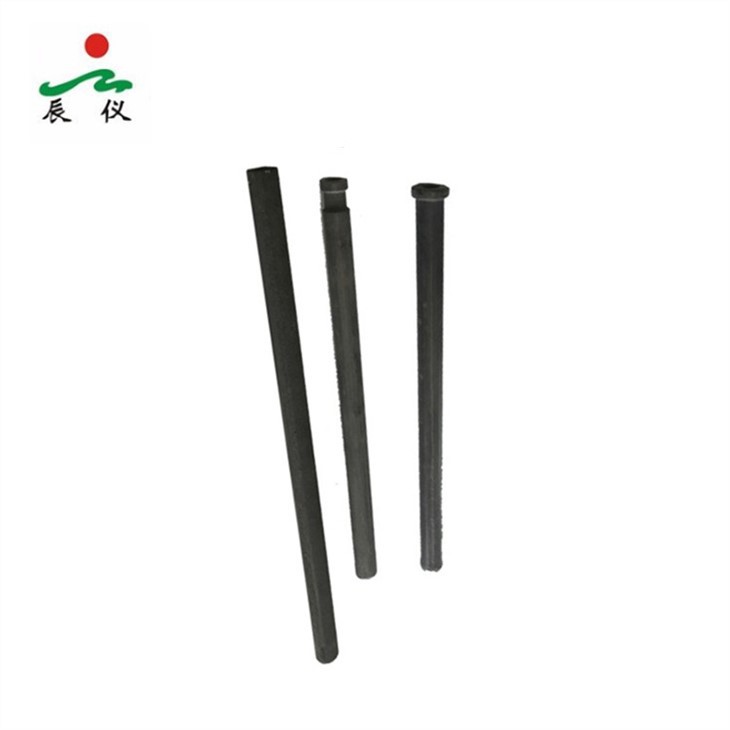

It's also important to control the atmosphere during sintering. For Alundum Ceramic Tubes, a controlled oxygen atmosphere can help to prevent oxidation and ensure the proper formation of the ceramic structure.
3. Post - Processing
Machining
After sintering, the tube may need some machining to achieve the desired dimensions. However, be careful during machining. Aggressive machining can introduce surface cracks or damage the internal structure of the tube. Use appropriate cutting tools and machining parameters to minimize the risk of damage.
Heat Treatment
Heat treatment can be used to further improve the tube's tensile strength. Annealing, for example, can relieve internal stresses that may have been introduced during the manufacturing process. By heating the tube to a specific temperature and then slowly cooling it, you can reduce the stress concentration in the material, which in turn enhances its strength.
4. Additives and Reinforcements
Adding certain additives or reinforcements can also boost the tensile strength of Alundum Ceramic Tubes. For example, adding small amounts of zirconia can improve the toughness of the ceramic. Zirconia can undergo a phase transformation under stress, which absorbs energy and prevents crack propagation.
Another option is to use fibers or whiskers as reinforcements. Silicon carbide whiskers, for instance, can be incorporated into the ceramic matrix. These whiskers act as bridges across cracks, preventing them from growing and increasing the overall strength of the tube.
Related Products
If you're also interested in other types of protection tubes, we have some great options. Check out our Silicon Nitride Tube, which offers excellent thermal shock resistance and high - temperature strength. Our Drilled Bar Stock Thermowell is a reliable choice for temperature measurement applications. And for more general - purpose protection, our Stainless Steel Protection Tube is a popular option.
Conclusion
Improving the tensile strength of Alundum Ceramic Tubes requires a combination of careful material selection, a well - controlled manufacturing process, appropriate post - processing, and the use of additives or reinforcements. By paying attention to these aspects, you can produce tubes that are stronger and more reliable for your applications.
If you're in the market for high - quality Alundum Ceramic Tubes or have any questions about improving their tensile strength, don't hesitate to reach out. We're here to help you find the best solutions for your needs. Let's start a conversation and see how we can work together to meet your requirements.
References
- "Ceramics Science and Engineering" by J. Reed
- "Handbook of Advanced Ceramics" edited by S. Singh
