

As a supplier of Alundum Ceramic Tubes, I understand the critical importance of thermal shock resistance in various industrial applications. Alundum Ceramic Tubes are widely used in high-temperature environments, such as in furnaces, kilns, and thermal sensors. However, their performance can be severely affected by sudden temperature changes, leading to cracking or even failure. In this blog post, I will share some effective strategies to improve the thermal shock resistance of Alundum Ceramic Tubes.
Understanding Thermal Shock in Alundum Ceramic Tubes
Thermal shock occurs when a material experiences a rapid change in temperature, causing uneven expansion or contraction within the material. In the case of Alundum Ceramic Tubes, this can lead to the development of internal stresses that exceed the material's strength, resulting in cracking or fracture. The susceptibility of Alundum Ceramic Tubes to thermal shock is influenced by several factors, including their thermal expansion coefficient, thermal conductivity, and mechanical properties.
Strategies to Improve Thermal Shock Resistance
1. Material Selection and Composition
- Low Thermal Expansion Coefficient: Choosing an Alundum ceramic with a low thermal expansion coefficient can significantly reduce the internal stresses generated during thermal cycling. Materials with a lower thermal expansion coefficient expand and contract less in response to temperature changes, minimizing the risk of cracking. For example, some advanced Alundum ceramics are formulated with additives that can lower the thermal expansion coefficient without compromising other important properties.
- High Thermal Conductivity: A high thermal conductivity allows heat to be transferred more quickly through the ceramic tube, reducing the temperature gradient within the material. This helps to minimize the internal stresses caused by thermal shock. By selecting an Alundum ceramic with high thermal conductivity, the tube can better withstand rapid temperature changes.
2. Design Optimization
- Thickness and Geometry: The thickness and geometry of the Alundum Ceramic Tube can have a significant impact on its thermal shock resistance. A thinner tube generally has a lower thermal mass and can respond more quickly to temperature changes, reducing the internal stresses. Additionally, optimizing the tube's geometry, such as using a tapered or stepped design, can help to distribute the thermal stresses more evenly.
- Surface Finish: A smooth surface finish can reduce the stress concentration points on the tube, making it more resistant to thermal shock. Surface defects, such as scratches or cracks, can act as initiation sites for cracking under thermal stress. Therefore, ensuring a high-quality surface finish during the manufacturing process is crucial.
3. Manufacturing Processes
- Sintering and Heat Treatment: The sintering and heat treatment processes play a vital role in determining the microstructure and properties of the Alundum Ceramic Tube. Proper sintering can improve the density and strength of the ceramic, while heat treatment can relieve internal stresses and enhance the thermal shock resistance. By carefully controlling these processes, the quality and performance of the tube can be optimized.
- Post-Processing: Post-processing techniques, such as annealing or tempering, can further improve the thermal shock resistance of the Alundum Ceramic Tube. These processes can help to reduce the residual stresses in the material and enhance its toughness.
4. Coating and Reinforcement
- Thermal Barrier Coatings: Applying a thermal barrier coating to the surface of the Alundum Ceramic Tube can provide an additional layer of protection against thermal shock. These coatings can reduce the heat transfer rate and insulate the tube from sudden temperature changes. Some common thermal barrier coatings include ceramic oxides and refractory materials.
- Reinforcement with Fibers or Whiskers: Reinforcing the Alundum ceramic with fibers or whiskers can enhance its mechanical properties and improve its thermal shock resistance. The fibers or whiskers can act as crack arresters, preventing the propagation of cracks under thermal stress. For example, adding silicon carbide fibers to the Alundum ceramic matrix can significantly increase its toughness and thermal shock resistance.
Comparison with Other Protection Tubes
When considering protection tubes for high-temperature applications, it's important to compare the thermal shock resistance of Alundum Ceramic Tubes with other options, such as Stainless Steel Protection Tube and Silicon Nitride Tube.
- Stainless Steel Protection Tube: Stainless steel has good thermal conductivity and mechanical strength, but its thermal expansion coefficient is relatively high compared to Alundum ceramic. This means that stainless steel tubes may be more susceptible to thermal shock in applications with rapid temperature changes. However, stainless steel tubes are often more ductile than ceramic tubes, which can provide some resistance to cracking.
- Silicon Nitride Tube: Silicon nitride is known for its excellent thermal shock resistance, high strength, and good chemical stability. Compared to Alundum Ceramic Tubes, silicon nitride tubes can withstand more severe thermal cycling without cracking. However, silicon nitride tubes are generally more expensive and may not be suitable for all applications.
Conclusion
Improving the thermal shock resistance of Alundum Ceramic Tubes is essential for ensuring their reliable performance in high-temperature applications. By carefully selecting the material, optimizing the design, controlling the manufacturing processes, and using appropriate coating and reinforcement techniques, the thermal shock resistance of these tubes can be significantly enhanced.
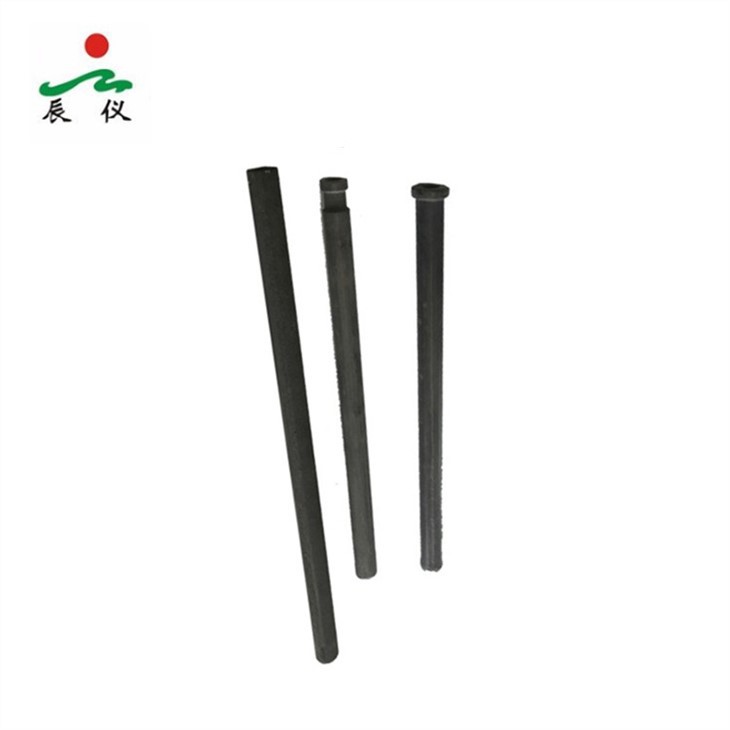

As a supplier of Alundum Ceramic Tube, I am committed to providing high-quality products that meet the specific requirements of our customers. If you are interested in learning more about our Alundum Ceramic Tubes or have any questions regarding their thermal shock resistance, please feel free to contact us for further discussion and potential procurement. We look forward to working with you to find the best solutions for your applications.
References
- Kingery, W. D., Bowen, H. K., & Uhlmann, D. R. (1976). Introduction to Ceramics. Wiley.
- Reed, J. S. (1995). Principles of Ceramic Processing. Wiley.
- Schneider, H., Schwetz, K. A., & Telle, R. (2004). High - Performance Ceramics: Past, Present, Future. Springer.
