

Hey there! As a supplier of Alundum Ceramic Tubes, I've seen firsthand how important it is to store these tubes properly. In this blog post, I'll share some tips and tricks on how to keep your Alundum Ceramic Tubes in top-notch condition.
Why Proper Storage Matters
Before we dive into the storage methods, let's talk about why it's so crucial to store Alundum Ceramic Tubes correctly. These tubes are made from high - grade alumina ceramic, which is known for its excellent thermal stability, high mechanical strength, and good chemical resistance. However, improper storage can lead to damage, such as cracks or chips, which can significantly affect their performance.
Ideal Storage Conditions
Temperature
Alundum Ceramic Tubes are pretty tough when it comes to temperature, but they still have their limits. The ideal storage temperature for these tubes is between 20°C and 25°C (68°F - 77°F). Extreme temperatures can cause the ceramic to expand or contract, leading to internal stresses that might result in cracks. Avoid storing them in areas that are subject to large temperature fluctuations, like near heating vents or in uninsulated storage sheds.
Humidity
Humidity is another factor to consider. High humidity can cause moisture to accumulate on the surface of the tubes. Over time, this moisture can seep into the ceramic, potentially weakening its structure. Aim for a relative humidity level of around 40% - 50%. If you're storing the tubes in a particularly humid environment, you might want to use a dehumidifier to keep the moisture in check.
Storage Containers
Choosing the right storage container is key to protecting your Alundum Ceramic Tubes.
Plastic Containers
Plastic containers are a popular choice because they're lightweight, inexpensive, and easy to find. Make sure the containers are clean and dry before you put the tubes inside. You can line the containers with a soft material, like foam or felt, to cushion the tubes and prevent them from knocking against each other. Label the containers clearly so you can easily identify the tubes later.
Wooden Crates
For larger or more valuable Alundum Ceramic Tubes, wooden crates can be a great option. They provide more protection than plastic containers and can be customized to fit the tubes perfectly. Just like with plastic containers, line the crates with a soft material to prevent damage. However, make sure the wood is treated to prevent mold and insect infestations.
Handling During Storage
How you handle the tubes during storage is just as important as the storage conditions themselves.
Avoid Rough Handling
Alundum Ceramic Tubes are brittle, so it's essential to handle them with care. When moving the tubes in and out of storage, use two hands and support them evenly. Avoid dropping or banging the tubes against hard surfaces, as this can cause cracks or chips.
Stacking
If you need to stack the tubes, do it carefully. Place a soft spacer between each tube to prevent them from rubbing against each other. Don't stack the tubes too high, as the weight of the upper tubes can cause the lower ones to break.
Comparison with Other Protection Tubes
It's worth noting how Alundum Ceramic Tubes compare to other types of protection tubes in terms of storage requirements.
Stainless Steel Protection Tube
Stainless Steel Protection Tube is more forgiving when it comes to storage. They're less sensitive to temperature and humidity changes compared to Alundum Ceramic Tubes. However, they can still rust if exposed to moisture for long periods, so it's still important to store them in a dry environment.
Silicon Nitride Tube
Silicon Nitride Tube shares some similarities with Alundum Ceramic Tubes in terms of their ceramic nature. They also require careful handling and storage in a stable environment. But Silicon Nitride Tubes may have different temperature and humidity tolerances, so it's important to check the manufacturer's guidelines.
Regular Inspections
Even if you're storing the Alundum Ceramic Tubes under ideal conditions, it's a good idea to conduct regular inspections. Check the tubes for any signs of damage, such as cracks, chips, or discoloration. If you notice any issues, it's best to address them immediately. You can isolate the damaged tubes to prevent them from causing further problems.
Conclusion
Proper storage of Alundum Ceramic Tubes is essential to maintain their quality and performance. By following these tips on temperature, humidity, storage containers, handling, and regular inspections, you can ensure that your tubes stay in great condition for a long time.
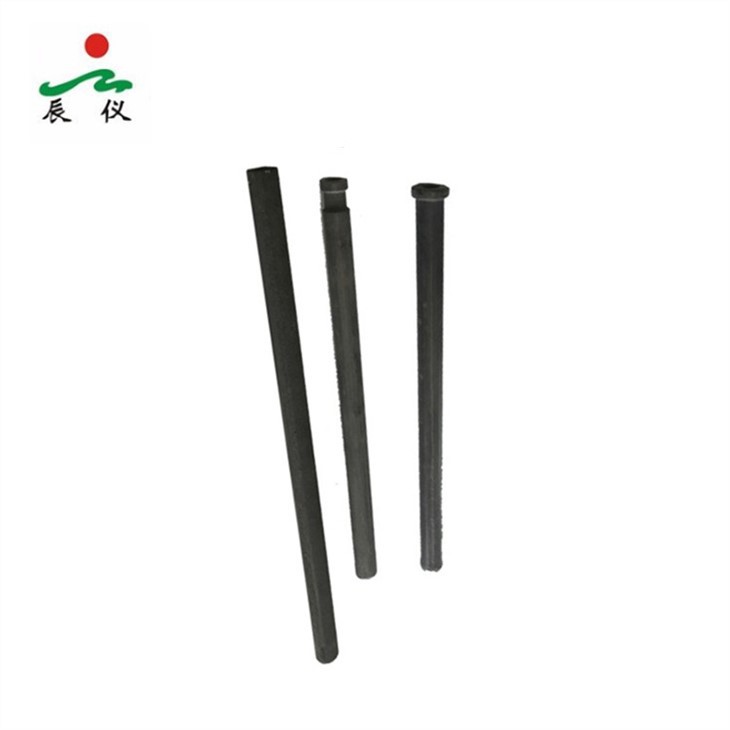

If you're in the market for high - quality Alundum Ceramic Tubes, Alundum Ceramic Tube is the way to go. We're a reliable supplier, and we're always here to help you with your ceramic tube needs. Whether you have questions about storage, installation, or anything else, feel free to reach out to us to start a procurement discussion. We look forward to working with you!
References
- Ceramic Materials Handbook, 2nd Edition
- Industrial Ceramics: Properties, Processing, and Applications
