

Compression fittings are widely used in various industries for their ease of installation and reliable sealing capabilities. However, like any mechanical component, they can sometimes develop leaks. As a compression fittings supplier, I've encountered numerous situations where customers had issues with leaking compression fittings. In this blog post, I'll share some practical tips on how to troubleshoot these leaks effectively.
Understanding Compression Fittings
Before diving into troubleshooting, it's essential to understand how compression fittings work. A typical compression fitting consists of three main parts: the body, the nut, and the ferrule. The body is the main component that connects to the pipe or tubing. The nut is used to tighten the fitting onto the pipe, and the ferrule is a ring that creates a seal between the body and the pipe when compressed.
When the nut is tightened, it compresses the ferrule onto the pipe, creating a tight seal. However, if the fitting is not installed correctly or if there are issues with the components, leaks can occur.
Common Causes of Compression Fitting Leaks
There are several reasons why compression fittings may leak. Here are some of the most common causes:
- Improper Installation: One of the most common causes of leaks is improper installation. If the fitting is not tightened correctly or if the ferrule is not seated properly, it can result in a poor seal.
- Damaged Components: Over time, the components of a compression fitting can become damaged. This can include scratches, dents, or cracks in the body, nut, or ferrule. Damaged components can prevent the fitting from creating a tight seal.
- Incorrect Pipe Size: Using the wrong size pipe or tubing can also cause leaks. If the pipe is too large or too small for the fitting, the ferrule may not be able to create a proper seal.
- Vibration and Movement: Compression fittings can be affected by vibration and movement. Over time, this can cause the fitting to loosen or the ferrule to shift, resulting in a leak.
- Corrosion and Erosion: Exposure to corrosive substances or high-velocity fluids can cause corrosion and erosion of the fitting components. This can weaken the seal and lead to leaks.
Troubleshooting Compression Fitting Leaks
Now that we've identified some of the common causes of compression fitting leaks, let's look at some steps you can take to troubleshoot and fix these issues.
Step 1: Inspect the Fitting
The first step in troubleshooting a compression fitting leak is to inspect the fitting for any visible signs of damage or improper installation. Check the body, nut, and ferrule for scratches, dents, or cracks. Make sure the ferrule is seated properly and that the nut is tightened to the correct torque.
Step 2: Check the Pipe Size
Verify that the pipe or tubing you are using is the correct size for the fitting. If the pipe is too large or too small, it may be necessary to replace the fitting or the pipe.
Step 3: Tighten the Nut
If the fitting appears to be installed correctly and there are no visible signs of damage, try tightening the nut slightly. Use a wrench to turn the nut clockwise until it is snug. Be careful not to over-tighten the nut, as this can damage the fitting or the pipe.
Step 4: Replace the Ferrule
If tightening the nut does not stop the leak, the ferrule may be damaged or worn. In this case, it may be necessary to replace the ferrule. To do this, remove the nut and the old ferrule from the fitting. Install a new ferrule and tighten the nut to the correct torque.
Step 5: Check for Vibration and Movement
If the fitting is located in an area with high vibration or movement, it may be necessary to take steps to reduce these factors. This can include using vibration dampeners or securing the fitting more firmly to prevent movement.
Step 6: Address Corrosion and Erosion
If corrosion or erosion is causing the leak, it may be necessary to replace the fitting or take steps to protect it from further damage. This can include using corrosion-resistant materials or applying a protective coating to the fitting.
Additional Tips and Considerations
Here are some additional tips and considerations to keep in mind when troubleshooting compression fitting leaks:
- Use the Right Tools: Make sure you have the right tools for the job. This includes a wrench that is the correct size for the fitting and a torque wrench to ensure that the nut is tightened to the correct torque.
- Follow Manufacturer's Instructions: Always follow the manufacturer's instructions when installing and maintaining compression fittings. This will help ensure that the fitting is installed correctly and that it performs as expected.
- Test the Fitting: After making any repairs or adjustments to the fitting, test it to make sure the leak has been resolved. This can include pressurizing the system and checking for any signs of leakage.
- Consider Upgrading the Fitting: If you are experiencing frequent leaks or if the fitting is not performing as expected, it may be worth considering upgrading to a higher-quality fitting. There are many different types of compression fittings available, each with its own unique features and benefits.
Related Products
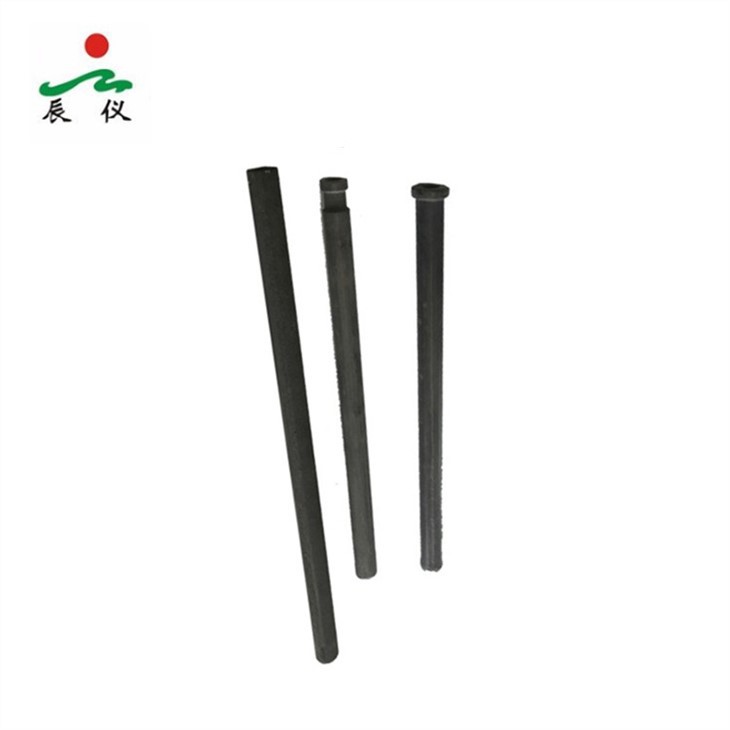
As a compression fittings supplier, we also offer a range of related products that can be used in conjunction with compression fittings. These include Alundum Ceramic Tube, Drilled Bar Stock Thermowell, and Silicon Nitride Tube. These products can provide additional protection and support for your temperature sensors and other equipment.

Conclusion
Compression fitting leaks can be a frustrating and costly problem, but with the right knowledge and tools, they can be easily troubleshooted and fixed. By following the steps outlined in this blog post and keeping these tips and considerations in mind, you can ensure that your compression fittings are installed correctly and performing as expected.
If you have any questions or need further assistance with troubleshooting compression fitting leaks or selecting the right compression fittings for your application, please don't hesitate to contact us. We're here to help you find the best solutions for your needs and ensure the success of your projects.
References
- "Compression Fittings: A Guide to Installation and Troubleshooting" by XYZ Publishing
- "Industrial Pipe Fittings Handbook" by ABC Press
- Manufacturer's documentation for compression fittings and related products
