

Hey there! As a supplier of Alundum Ceramic Tubes, I've gotten a ton of questions about how to make sure these tubes play nice with other materials in a system. It's a crucial topic, especially when you're trying to build a reliable and efficient setup. So, let's dive right in and explore some key aspects of ensuring compatibility.
Understanding Alundum Ceramic Tubes
First off, let's talk a bit about what Alundum Ceramic Tubes are. These tubes are made from high - purity alumina ceramic, which gives them some amazing properties. They're highly resistant to heat, corrosion, and wear. This makes them super useful in a wide range of industries, from electronics to chemical processing.
But here's the thing: just because they're tough doesn't mean they'll automatically work well with every other material in a system. Different materials have different thermal expansion rates, chemical reactivities, and mechanical properties. If these aren't taken into account, you could end up with a system that fails prematurely or doesn't perform as expected.
Thermal Compatibility
One of the most important factors to consider is thermal compatibility. When a system heats up or cools down, different materials expand and contract at different rates. If the Alundum Ceramic Tube and the other materials in the system have wildly different thermal expansion coefficients, it can lead to stress and cracking.
For example, if you're using an Alundum Ceramic Tube in a high - temperature application and it's surrounded by a metal with a much higher thermal expansion rate, as the temperature rises, the metal will expand more than the ceramic tube. This can create internal stresses that may cause the tube to crack.
To ensure thermal compatibility, you need to choose materials with similar thermal expansion coefficients. You can also use design features like expansion joints or flexible connections to absorb the differences in expansion and contraction. Another option is to gradually heat or cool the system to minimize the stress caused by rapid temperature changes.
Chemical Compatibility
Chemical compatibility is another big deal. Alundum Ceramic Tubes are resistant to many chemicals, but there are still some substances that can react with them. For instance, strong acids or alkalis can corrode the ceramic over time.
Before you pair an Alundum Ceramic Tube with other materials in a system, you need to know what chemicals will be present. If there are aggressive chemicals involved, you might need to choose a protective coating for the tube or select other materials that are also resistant to those chemicals.
Let's say you're using an Alundum Ceramic Tube in a chemical processing plant where there are corrosive gases. You could consider using a Stainless Steel Protection Tube as an outer layer to shield the ceramic tube from the chemicals. The stainless steel is also resistant to many corrosive substances and can provide an extra layer of protection.
Mechanical Compatibility
Mechanical compatibility is all about how the Alundum Ceramic Tube and other materials in the system can withstand mechanical forces. This includes things like vibration, shock, and pressure.
Ceramic tubes are brittle, which means they can break easily if they're subjected to sudden impacts or excessive pressure. So, when you're designing a system, you need to make sure that the other materials can support the ceramic tube and protect it from mechanical damage.
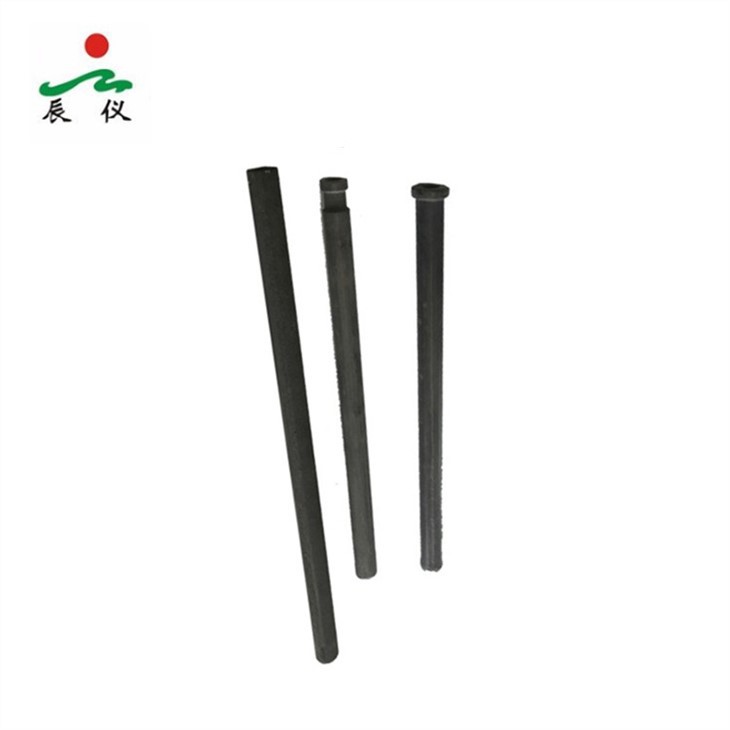

For example, if you're using an Alundum Ceramic Tube in a system that experiences a lot of vibration, you could use a shock - absorbing material or a mounting system that reduces the stress on the tube. You might also consider using a Silicon Nitride Tube in combination with the Alundum Ceramic Tube. Silicon nitride is a strong and tough ceramic material that can help distribute the mechanical forces more evenly.
Electrical Compatibility
In some applications, electrical compatibility is crucial. Alundum Ceramic Tubes are good insulators, but if they're used in a system where there are electrical currents or electromagnetic fields, you need to make sure that they don't interfere with the electrical performance of the other components.
For example, if you're using an Alundum Ceramic Tube in an electronic circuit, you need to ensure that it doesn't cause any electrical leakage or interference. You might need to choose materials that have similar electrical properties or use insulating coatings to prevent electrical problems.
Choosing the Right Materials
When it comes to ensuring compatibility, choosing the right materials to pair with your Alundum Ceramic Tube is key. Here are some tips:
- Research the materials: Before you make a decision, do your homework on the properties of the materials you're considering. Look at their thermal, chemical, mechanical, and electrical properties and compare them to those of the Alundum Ceramic Tube.
- Test the combination: If possible, conduct some tests on a small scale to see how the Alundum Ceramic Tube and the other materials interact. This can help you identify any potential compatibility issues before you build the full - scale system.
- Consult with experts: If you're not sure which materials are the best fit, don't hesitate to consult with materials scientists or engineers. They can provide valuable insights based on their experience and knowledge.
Design Considerations
In addition to choosing the right materials, the design of the system also plays a crucial role in ensuring compatibility. Here are some design tips:
- Allow for expansion and contraction: As mentioned earlier, make sure there's enough room in the design for the materials to expand and contract without causing stress. This could involve using expansion joints or flexible connections.
- Provide support: Ensure that the Alundum Ceramic Tube is properly supported to prevent mechanical damage. This could mean using brackets, clamps, or other support structures.
- Minimize contact with incompatible materials: If there are materials that are known to be incompatible with the Alundum Ceramic Tube, try to minimize their contact. For example, you could use a barrier or a protective layer between them.
Case Studies
Let's take a look at a couple of real - world examples to see how these concepts work in practice.
Case Study 1: A Chemical Processing System
In a chemical processing plant, an Alundum Ceramic Tube was used to transport a corrosive liquid. To ensure chemical compatibility, a Drilled Bar Stock Thermowell was used as an outer layer. The thermowell was made of a corrosion - resistant metal and provided a protective barrier between the ceramic tube and the corrosive liquid. This setup also helped with mechanical support, as the thermowell absorbed some of the pressure and vibration in the system.
Case Study 2: An Electronic Circuit
In an electronic circuit, an Alundum Ceramic Tube was used as an insulator. To ensure electrical compatibility, the tube was coated with a special insulating material to prevent any electrical leakage. The other components in the circuit were also carefully selected to have similar electrical properties, which helped to minimize interference.
Conclusion
Ensuring the compatibility of Alundum Ceramic Tubes with other materials in a system is a complex but essential task. By considering factors like thermal, chemical, mechanical, and electrical compatibility, choosing the right materials, and designing the system carefully, you can build a reliable and efficient system.
If you're in the market for Alundum Ceramic Tubes or need more information on how to ensure compatibility in your specific application, don't hesitate to reach out. We're here to help you make the best choices for your project.
References
- "Materials Science and Engineering: An Introduction" by William D. Callister Jr. and David G. Rethwisch
- "Ceramics: Structure, Properties, Processing, and Applications" by Jörg Peteritzsch and Rainer Gadow
