

As a supplier of PT100 Ceramic Elements, I've had the privilege of working closely with these remarkable temperature - sensing components. PT100 Ceramic Elements are widely recognized for their high precision, stability, and reliability in temperature measurement. However, like any technology, they come with their own set of limitations. In this blog post, I'll delve into the various constraints of PT100 Ceramic Elements to provide a comprehensive understanding for potential buyers and industry enthusiasts.
1. Sensitivity to Mechanical Stress
PT100 Ceramic Elements are made of a ceramic substrate with a platinum resistive element. The ceramic material, while offering excellent electrical insulation and high - temperature stability, is brittle. Mechanical stress, such as vibration, shock, or improper handling during installation, can cause micro - cracks in the ceramic substrate. These micro - cracks may not be immediately visible but can lead to changes in the electrical properties of the platinum element.
When a micro - crack occurs, the resistance path of the platinum element can be disrupted. This results in inaccurate temperature readings, as the resistance - temperature relationship that the PT100 is based on is no longer consistent. For example, in industrial environments where heavy machinery is operating, the constant vibration can gradually damage the ceramic element over time. This limitation makes it crucial to ensure proper mounting and protection of the PT100 Ceramic Element to minimize the impact of mechanical stress.
2. Limited Response Time
The response time of a PT100 Ceramic Element is relatively slow compared to some other temperature - sensing technologies. The thermal mass of the ceramic substrate and the platinum element itself causes a delay in the element's ability to reach thermal equilibrium with the surrounding environment.

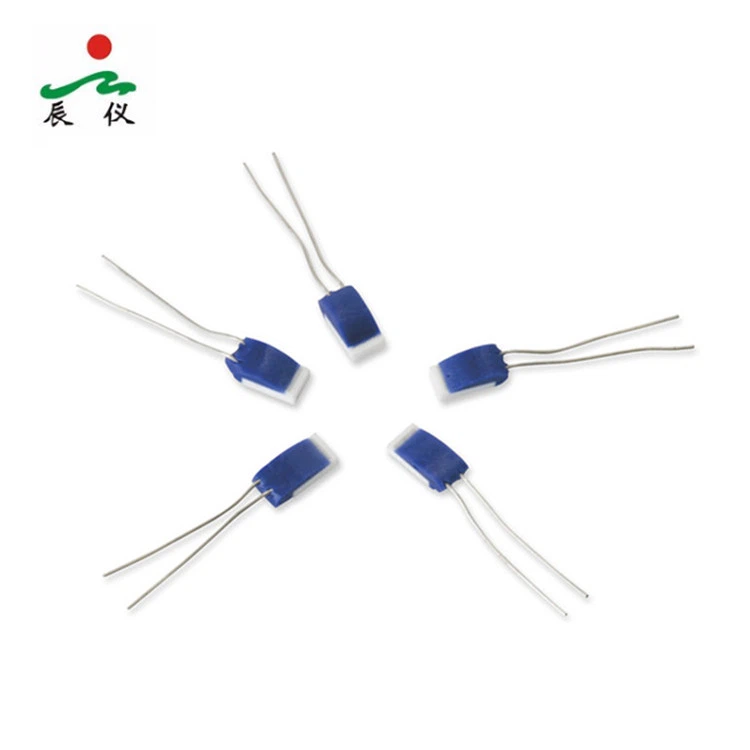
In applications where rapid temperature changes need to be monitored, such as in some chemical reactions or fast - moving industrial processes, the slow response time of the PT100 Ceramic Element can be a significant drawback. For instance, if a chemical reaction occurs within seconds and the temperature needs to be precisely measured during that short period, a PT100 Ceramic Element may not be able to provide real - time and accurate temperature data. In such cases, alternative sensors like Thin Film Element with a lower thermal mass and faster response times might be more suitable.
3. High Cost
The manufacturing process of PT100 Ceramic Elements is complex and involves high - quality materials, mainly platinum. Platinum is a precious metal, and its cost contributes significantly to the overall price of the PT100 Ceramic Element. Additionally, the precision manufacturing techniques required to ensure the accuracy and stability of the element add to the production cost.
This high cost can be a limiting factor, especially for cost - sensitive applications or projects with a tight budget. For small - scale manufacturers or research projects with limited funds, the expense of using PT100 Ceramic Elements may be prohibitive. In these situations, alternative temperature - sensing solutions like thermistors, which are generally less expensive, might be considered. However, it's important to note that thermistors may not offer the same level of accuracy and long - term stability as PT100 Ceramic Elements.
4. Limited Temperature Range
Although PT100 Ceramic Elements are known for their ability to operate at relatively high temperatures, they still have an upper limit. The maximum temperature at which a PT100 Ceramic Element can function accurately is typically around 600 - 850°C, depending on the specific design and manufacturing quality.
In applications where extremely high temperatures are involved, such as in some metal - melting processes or high - temperature furnaces, the PT100 Ceramic Element may not be able to withstand the heat. At temperatures beyond its limit, the platinum element can start to oxidize, and the ceramic substrate may experience structural changes. This leads to a degradation of the element's performance and inaccurate temperature measurements. For such high - temperature applications, other types of temperature sensors like thermocouples are often used.
5. Susceptibility to Contamination
PT100 Ceramic Elements can be sensitive to contamination from various substances in the environment. Dust, moisture, chemicals, and other contaminants can adhere to the surface of the ceramic substrate and the platinum element.
Contamination can affect the electrical properties of the platinum element. For example, moisture can cause corrosion of the platinum, which changes its resistance and thus affects the temperature measurement. Chemical contaminants can react with the platinum or the ceramic, leading to long - term degradation of the element. In industrial environments with high levels of dust or chemical fumes, proper protection measures such as using protective housings or coatings are necessary. However, these additional protective measures can add to the cost and complexity of the installation.
6. Dependency on Lead Wires
PT100 Ceramic Elements rely on lead wires to connect them to the measurement circuitry. The quality and length of these lead wires can have a significant impact on the accuracy of the temperature measurement.
Long lead wires introduce additional resistance, which can cause errors in the measurement. The resistance of the lead wires can change with temperature, and this change is not accounted for in the standard resistance - temperature relationship of the PT100. To compensate for this, special wiring configurations such as the three - wire or four - wire method are often used. However, these methods increase the complexity of the installation and the overall cost.
7. Calibration Requirements
To maintain the accuracy of PT100 Ceramic Elements, regular calibration is required. Over time, the electrical properties of the platinum element can change due to factors such as aging, temperature cycling, and exposure to contaminants.
Calibration is a time - consuming and costly process. It requires specialized equipment and trained personnel to perform the calibration accurately. If calibration is not carried out regularly, the accuracy of the temperature measurement can gradually decline, leading to incorrect data and potential problems in the application. For example, in a pharmaceutical manufacturing process where precise temperature control is crucial for product quality, inaccurate temperature measurements due to lack of calibration can result in product defects.
Despite these limitations, PT100 Ceramic Elements still have many advantages, such as high accuracy, long - term stability, and compatibility with a wide range of measurement systems. In many applications where these advantages outweigh the limitations, they are the preferred choice for temperature measurement.
If you are considering using PT100 Ceramic Elements for your project, it's important to carefully evaluate these limitations in the context of your specific requirements. We, as a professional supplier of PT100 Ceramic Elements, can provide you with detailed technical support and guidance to help you make the right decision. Whether you need a Thermal Resistance Probe or an RTD PT200 Probe, we have a wide range of products to meet your needs. If you have any questions or would like to discuss a potential purchase, feel free to reach out to us. We look forward to the opportunity to work with you and provide you with high - quality temperature - sensing solutions.
References
- "Temperature Measurement Handbook"
- "Industrial Temperature Sensors: Principles and Applications"
- Technical literature from platinum and ceramic material manufacturers
