

An RTD (Resistance Temperature Detector) probe is a crucial device in the field of temperature measurement, offering high precision and reliability. As a leading RTD probe supplier, we are committed to providing in - depth knowledge about these essential tools.
What is an RTD Probe?
An RTD probe is a type of temperature sensor that operates based on the principle that the electrical resistance of a metal changes with temperature. The most common metal used in RTDs is platinum, due to its excellent linearity, stability, and resistance to corrosion. The resistance - temperature relationship is well - defined and predictable, making it possible to accurately determine the temperature by measuring the resistance of the RTD.
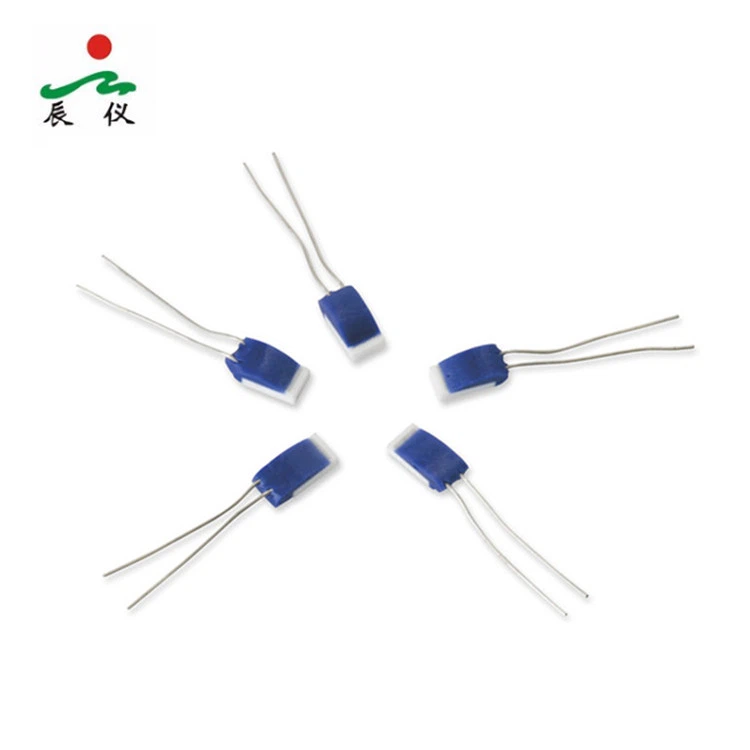
In an RTD probe, the sensing element is usually made of a thin wire of platinum wound around a ceramic or glass former, or a Thin Film Element. The thin - film element is a modern approach where a thin layer of platinum is deposited on a ceramic substrate. This design offers several advantages, including faster response times and better mechanical stability compared to wire - wound elements.
How Does an RTD Probe Work?
The operation of an RTD probe is relatively straightforward. When the temperature around the RTD changes, the resistance of the platinum element also changes. According to Ohm's law (V = IR, where V is voltage, I is current, and R is resistance), by passing a known current through the RTD and measuring the voltage across it, we can calculate the resistance. Then, using the pre - calibrated resistance - temperature relationship, the temperature can be determined.
For example, a Pt100 RTD has a resistance of 100 ohms at 0°C. As the temperature increases, the resistance of the Pt100 also increases in a nearly linear fashion. The change in resistance per degree Celsius is relatively small but can be accurately measured using precision instrumentation.
Types of RTD Probes
There are several types of RTD probes, each designed for specific applications:
Wire - Wound RTD Probes
These are the traditional type of RTD probes. A fine platinum wire is carefully wound around a bobbin made of ceramic or glass. Wire - wound RTDs offer high accuracy and stability, making them suitable for applications where precise temperature measurement is required, such as in laboratories and industrial processes with strict temperature control.
Thin Film RTD Probes
In thin - film RTDs, a thin layer of platinum is deposited on a ceramic substrate using a sputtering or vapor - deposition process. This method allows for the production of smaller and more compact sensors with faster response times. Thin - film RTDs are commonly used in applications where space is limited, such as in electronic devices and automotive engines.
Pt100 Surface RTD
The Pt100 surface RTD is designed specifically for measuring the surface temperature of objects. It has a flat design that can be easily attached to the surface of a material. This type of RTD can quickly and accurately measure the surface temperature, which is useful in a variety of applications, including food processing, HVAC systems, and industrial machinery.
Advantages of RTD Probes
High Accuracy
RTD probes are known for their high accuracy in temperature measurement. They can provide temperature readings with an accuracy of ±0.1°C or better, depending on the specific design and calibration. This makes them ideal for applications where precise temperature control is critical, such as in pharmaceutical manufacturing and semiconductor production.
Good Stability
Over time, RTD probes maintain their accuracy and performance. They are less prone to drift compared to other types of temperature sensors, such as thermocouples. This stability ensures that reliable temperature measurements can be obtained over long periods without frequent recalibration.
Wide Temperature Range
RTD probes can operate over a wide temperature range, typically from - 200°C to + 850°C. This broad range makes them suitable for a wide variety of applications, from cryogenic systems to high - temperature industrial processes.
Linearity
The relationship between resistance and temperature in an RTD is nearly linear, especially over a limited temperature range. This linearity simplifies the signal processing and calibration, making it easier to convert the resistance measurement into a temperature value.

Applications of RTD Probes
Industrial Applications
In industrial settings, RTD probes are used for temperature control and monitoring in various processes. For example, in the chemical industry, they are used to monitor the temperature of reactors to ensure the proper reaction conditions. In the food and beverage industry, RTD probes are used for temperature control during cooking, pasteurization, and storage to maintain product quality and safety.
HVAC Systems
Heating, ventilation, and air - conditioning (HVAC) systems rely on RTD probes to measure and control the temperature of the air and water. By accurately measuring the temperature, HVAC systems can adjust the heating or cooling output to maintain a comfortable and consistent indoor environment.
Laboratory and Scientific Research
In laboratories, RTD probes are used for precise temperature measurement in experiments. They are commonly used in research fields such as physics, chemistry, and biology, where accurate temperature control can significantly affect the outcome of an experiment.
Factors to Consider When Choosing an RTD Probe
Accuracy Requirements
The required accuracy of the temperature measurement is one of the most important factors to consider. For applications where high precision is needed, such as in calibration laboratories, a high - accuracy RTD probe should be selected.
Temperature Range
The operating temperature range of the application must match the temperature range of the RTD probe. If the temperature exceeds the specified range of the RTD, it may lead to inaccurate measurements or even damage to the sensor.
Response Time
The response time of the RTD probe is also crucial, especially in applications where rapid temperature changes occur. Thin - film RTDs generally have faster response times compared to wire - wound RTDs.
Environmental Conditions
The environmental conditions, such as humidity, vibration, and chemical exposure, can affect the performance and lifespan of the RTD probe. For harsh environments, a probe with appropriate protection, such as a stainless - steel sheath, should be chosen.
Our Offerings as an RTD Probe Supplier
As an RTD probe supplier, we offer a wide range of high - quality RTD probes to meet the diverse needs of our customers. Our products are carefully designed and manufactured using the latest technologies and high - quality materials to ensure excellent performance and reliability.
We offer Thermal Resistance Probe in different configurations, including wire - wound and thin - film types, to suit various applications. Our Pt100 surface RTDs are designed for easy installation and accurate surface temperature measurement.
We also provide customization services, allowing us to tailor the RTD probes to specific customer requirements. Whether it's a unique temperature range, response time, or physical size, our team of experts can work with you to develop a solution that meets your exact needs.
Contact Us for RTD Probe Procurement
If you are interested in purchasing RTD probes for your application, we invite you to contact us for a detailed discussion. Our experienced sales team can provide you with more information about our products, including specifications, pricing, and delivery options. We are committed to providing you with the best - quality RTD probes and excellent customer service. Let's work together to find the perfect temperature - sensing solution for your needs.
References
- "Temperature Measurement Handbook", published by a leading sensor technology publisher.
- Technical papers on RTD technology from international scientific conferences.
- Industry standards and guidelines related to temperature measurement using RTD probes.
