

Hey there! As a supplier of bimetal thermometers, I often get asked about the resolution of these nifty devices. So, let's dive right in and break it down.
First off, what exactly is resolution when it comes to a bimetal thermometer? In simple terms, resolution refers to the smallest change in temperature that a thermometer can detect and display. It's like the level of detail you can get from your temperature readings.
Let's understand how a bimetal thermometer works. It consists of two different metals bonded together. These metals have different coefficients of thermal expansion. When the temperature changes, one metal expands or contracts more than the other, causing the strip to bend. This bending is then translated into a temperature reading on the dial.
The resolution of a bimetal thermometer depends on a few factors. One of the key factors is the design of the bimetallic strip. A well - designed strip can detect even the slightest temperature changes. For example, if the strip is made with high - quality metals and has a precise construction, it can have a better resolution.
Another factor is the calibration of the thermometer. Proper calibration ensures that the thermometer accurately displays the temperature and can resolve small temperature differences. If a thermometer is not calibrated correctly, it might not be able to show those small changes in temperature, and its resolution will be poor.
The size of the dial and the markings on it also play a role. A larger dial with more detailed markings can make it easier to read small temperature changes, effectively increasing the perceived resolution. For instance, if you have a thermometer with a big dial and markings every 1 degree Celsius, you can more accurately read a temperature change compared to a thermometer with a small dial and markings every 5 degrees Celsius.
Now, let's talk about how resolution matters in different applications. In industrial settings, a high - resolution bimetal thermometer can be crucial. For example, in chemical processes, where even a small temperature change can affect the outcome of a reaction, a thermometer with good resolution is essential. It allows operators to closely monitor the temperature and make adjustments as needed.
In the food industry, maintaining the right temperature is vital for food safety. A bimetal thermometer with high resolution can help ensure that food is stored and cooked at the correct temperatures. It can detect small temperature fluctuations that might indicate a problem with the refrigeration or cooking equipment.
As a supplier, I offer a variety of bimetal thermometers with different resolutions to meet various needs. Take a look at our WSS 401 Bimetal Thermometer. This thermometer is designed with precision in mind. It has a well - crafted bimetallic strip and a clear dial with detailed markings, allowing for a relatively high resolution. You can easily detect small temperature changes, making it suitable for a wide range of industrial applications.
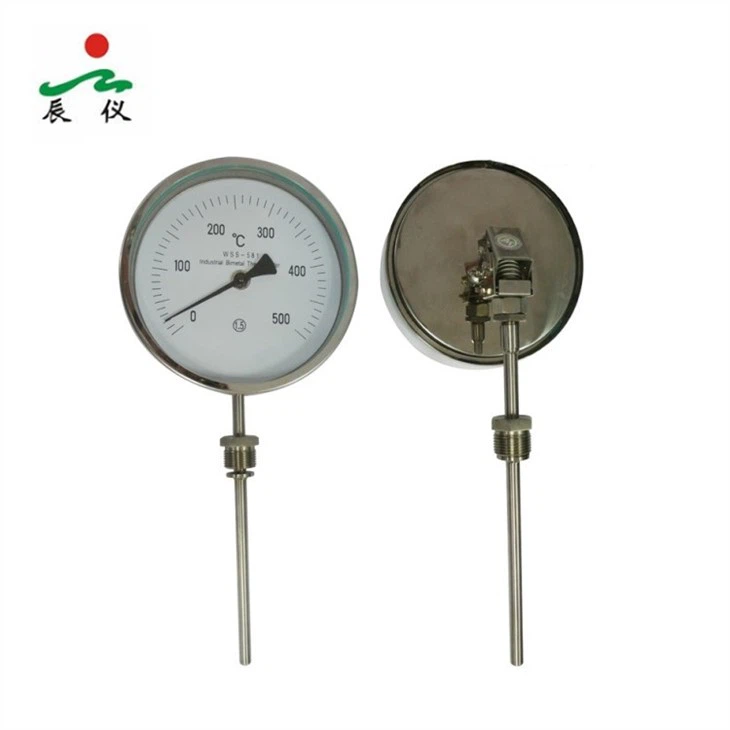
Our Bimetallic Type Temperature Gauge is another great option. It's built to be durable and accurate. The calibration of this gauge is top - notch, ensuring that it can resolve small temperature differences. Whether you're in the manufacturing industry or a laboratory setting, this temperature gauge can provide reliable temperature readings with good resolution.
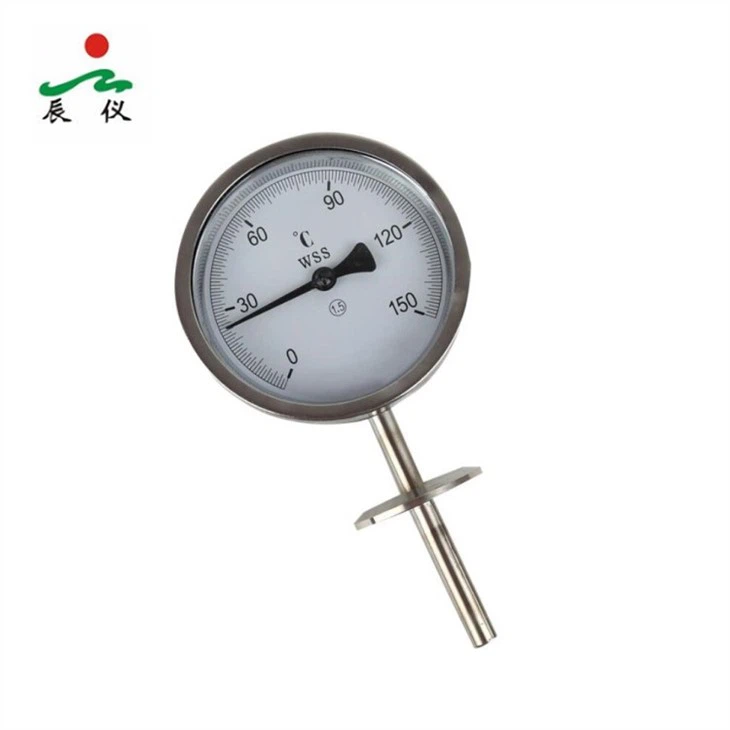
For applications in the food and beverage industry, our Bimetal Thermometer With Sanitary Flange is a perfect choice. It not only meets the hygiene requirements but also has a high enough resolution to monitor the temperature of food products accurately. The sanitary flange design makes it easy to clean and install, and the thermometer can detect small changes in temperature to keep your food safe.
When choosing a bimetal thermometer, it's important to consider your specific needs. Think about the range of temperatures you'll be measuring and how precise your readings need to be. If you're working in a process where small temperature changes can have a big impact, you'll definitely want a thermometer with a high resolution.
If you're in the market for a bimetal thermometer and want to learn more about the resolution and which model is right for you, don't hesitate to reach out. We're here to help you make the best choice for your application. Whether you're a small business or a large industrial facility, we have the expertise and the products to meet your temperature - measuring needs.
In conclusion, the resolution of a bimetal thermometer is an important factor that can affect its performance and suitability for different applications. By understanding how resolution works and what factors influence it, you can make an informed decision when purchasing a thermometer. And if you have any questions or need further assistance, just contact us. We're eager to help you find the perfect bimetal thermometer for your requirements.
References:
- Principles of Temperature Measurement textbooks
- Industry standards and guidelines for bimetal thermometers
