

Hey there! As a supplier of the WRe526 Thermocouple, I'm super excited to dig into the materials used in this amazing piece of tech. Thermocouples are essential in many industries for measuring temperature, and the WRe526 is no exception. It's reliable, accurate, and can handle some pretty extreme conditions. So, let's take a closer look at what makes it tick.
The Basics of Thermocouples
Before we jump into the WRe526 specifically, let's quickly go over how thermocouples work. A thermocouple is a device made up of two different metals joined together at one end. When there's a temperature difference between the joined end (the measuring junction) and the other end (the reference junction), it creates a voltage. This voltage can then be measured and used to figure out the temperature. Simple, right?
Now, there are different types of thermocouples, each made with different materials. Some common ones you might have heard of are the Platinum Rhodium Thermocouple and the C Type Thermocouple. But today, we're all about the WRe526.
Materials in the WRe526 Thermocouple
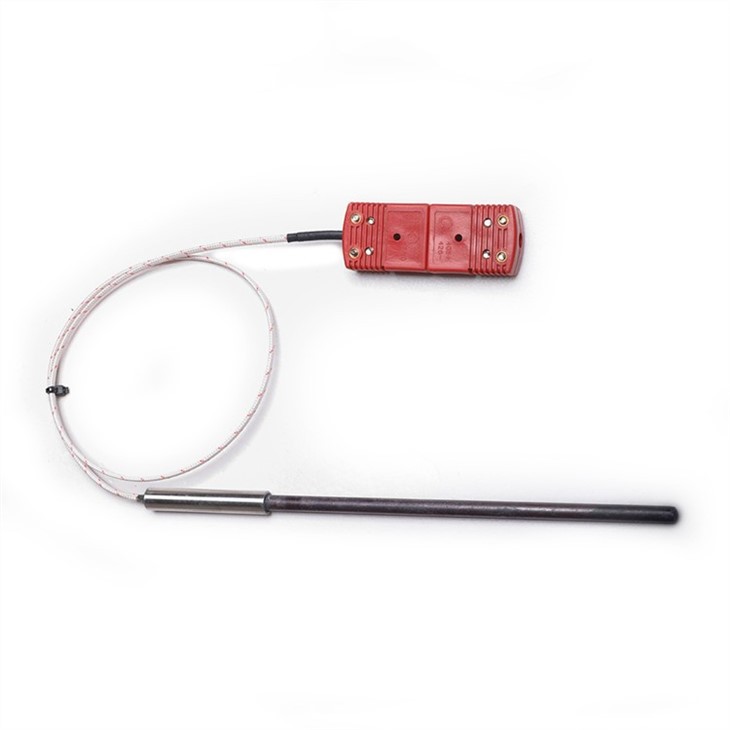
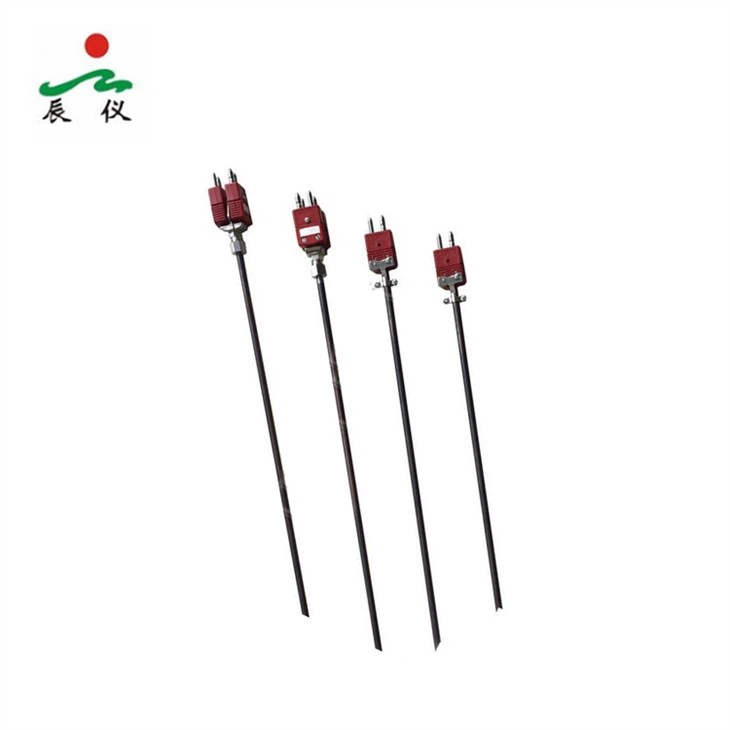
The WRe526 thermocouple is a type of Tungsten Rhenium Thermocouple. As the name suggests, it's mainly made up of tungsten and rhenium. These two metals are chosen for their unique properties that make the WRe526 a top - notch thermocouple.
Tungsten
Tungsten is an absolute rockstar in the world of metals. It has the highest melting point of all the metals, clocking in at a whopping 3422°C (6192°F). This means that the WRe526 can handle extremely high temperatures without melting or deforming. It's like having a superhero that can withstand the heat of a dragon's breath!
Another great thing about tungsten is its high density. This gives the thermocouple a certain level of durability and stability. It can resist mechanical stress and vibrations, which is super important in industrial settings where things can get a bit rough.
But tungsten isn't perfect on its own. It can be a bit brittle, especially at lower temperatures. That's where rhenium comes in.
Rhenium
Rhenium is like the sidekick that makes tungsten even better. When added to tungsten, it helps reduce its brittleness and improves its ductility. This means the thermocouple can be bent and shaped more easily during manufacturing without breaking.
Rhenium also has a high melting point (3186°C or 5767°F), which further enhances the high - temperature performance of the WRe526. It also has good chemical stability, which helps protect the thermocouple from corrosion and oxidation in harsh environments.
In the WRe526, the specific composition of tungsten and rhenium is carefully balanced. The "5" in WRe526 usually refers to the percentage of rhenium in one of the legs of the thermocouple, and the "26" refers to the percentage of rhenium in the other leg. This precise combination is what gives the WRe526 its unique thermoelectric properties.
Other Components
While tungsten and rhenium are the stars of the show, there are other components in the WRe526 thermocouple that are also important.
Insulation Materials
To prevent the two metal legs of the thermocouple from short - circuiting, an insulation material is used. Common insulation materials include ceramics like alumina (Al₂O₃). Alumina has excellent electrical insulation properties, high - temperature resistance, and good mechanical strength. It can withstand the high temperatures that the WRe526 is exposed to without breaking down.
Sheath Materials
The thermocouple is often protected by a sheath. The sheath material needs to be able to protect the thermocouple from the surrounding environment, whether it's a corrosive gas, a liquid, or mechanical damage. Some common sheath materials include metals like stainless steel or refractory metals. Stainless steel is a popular choice because it's relatively inexpensive, easy to work with, and has good corrosion resistance. Refractory metals, on the other hand, are used in more extreme high - temperature applications because they can handle even higher temperatures than stainless steel.
Why the WRe526 is a Great Choice
So, why should you choose the WRe526 thermocouple over other types? Well, its ability to measure high temperatures accurately is a huge plus. Industries like steelmaking, glass manufacturing, and aerospace often deal with extremely high temperatures, and the WRe526 can handle those conditions with ease.
It's also very reliable. Thanks to the combination of tungsten and rhenium, along with the right insulation and sheath materials, it can last a long time even in tough environments. This means less downtime for replacements and maintenance, which can save you a lot of money in the long run.
Applications of the WRe526
The WRe526 thermocouple has a wide range of applications. In the steel industry, it's used to measure the temperature of molten steel. Knowing the exact temperature is crucial for ensuring the quality of the steel and the efficiency of the manufacturing process.
In the glass industry, it helps monitor the temperature of the glass melt. Glass needs to be at the right temperature to be shaped and formed correctly, and the WRe526 can provide accurate temperature readings to make sure everything goes smoothly.
In aerospace, it can be used to measure the temperature of engine components. Engines generate a lot of heat, and the WRe526 can help engineers keep an eye on the temperature to prevent overheating and ensure the safety and performance of the aircraft.
Contact Us for Your Thermocouple Needs
If you're looking for a high - quality thermocouple that can handle extreme temperatures and tough conditions, the WRe526 is the way to go. As a supplier, we have a wide range of WRe526 thermocouples available, and we can also customize them to meet your specific requirements. Whether you're in the steel, glass, aerospace, or any other industry that needs accurate temperature measurement, we've got you covered.
Don't hesitate to reach out if you have any questions or if you're ready to place an order. We're here to help you find the perfect thermocouple solution for your business.
References
- "Thermocouples: Theory and Practice" - A comprehensive book on thermocouples that details the properties of different materials used in thermocouples.
- "Materials Science and Engineering: An Introduction" - This textbook provides in - depth knowledge about the properties of metals like tungsten and rhenium.
