

Hey there! As a supplier of 6 Wire Pt100 RTDs, I often get asked if these sensors can be used in corrosive environments. Well, let's dive right into it and explore this topic in detail.
First off, let's understand what a 6 Wire Pt100 RTD is. A 6 Wire Pt100 RTD (Resistance Temperature Detector) is a type of temperature sensor that uses a platinum element to measure temperature. The "Pt100" part means that the sensor has a resistance of 100 ohms at 0 degrees Celsius, and the platinum element's resistance changes predictably with temperature. The "6 wire" configuration is used to improve measurement accuracy by compensating for lead wire resistance. You can learn more about it here: 6 Wire Pt100 RTD.
Now, when it comes to corrosive environments, things get a bit tricky. Corrosive environments are places where there are chemicals, moisture, or other substances that can eat away at materials over time. This can be a big problem for temperature sensors because corrosion can damage the sensor's components, leading to inaccurate readings or even complete failure.
So, can a 6 Wire Pt100 RTD handle these tough conditions? The answer is, it depends. There are a few factors we need to consider.
The Construction of the RTD
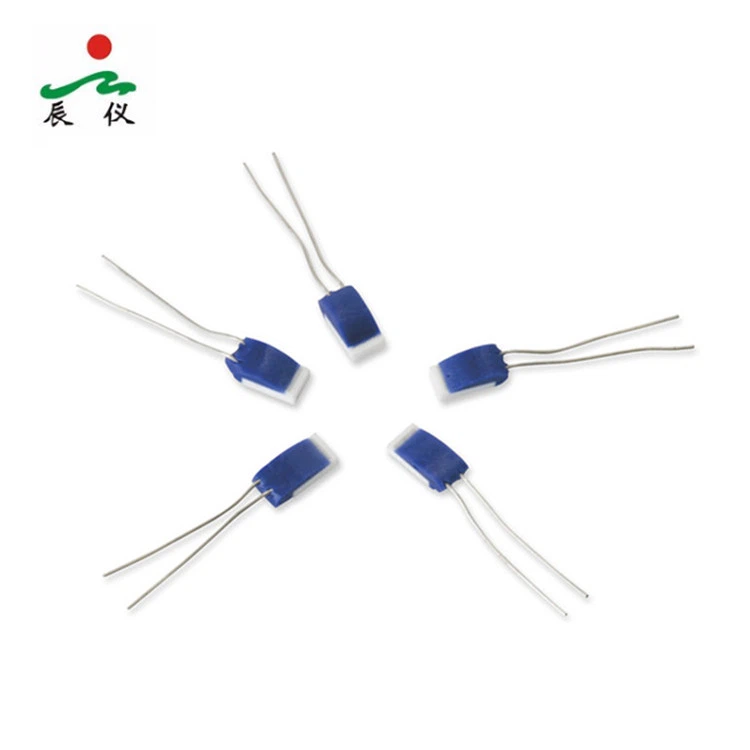
The way the 6 Wire Pt100 RTD is built plays a huge role in its ability to withstand corrosion. Some RTDs use a thin film element, which is a very thin layer of platinum deposited on a ceramic substrate. These Thin Film Element RTDs are generally more sensitive and can provide faster response times. However, the thin film can be more vulnerable to corrosion compared to other types of platinum elements.
On the other hand, there are wire-wound RTDs. These are made by winding a platinum wire around a ceramic or glass core. Wire-wound RTDs tend to be more robust and can better resist corrosion because the platinum wire is thicker and more protected.
The Protective Housing
Another important factor is the protective housing of the RTD. A good quality housing can shield the sensor from the corrosive agents in the environment. Some housings are made of stainless steel, which is known for its corrosion resistance. However, not all stainless steels are created equal. There are different grades of stainless steel, and some are more resistant to certain types of corrosion than others.
For example, in environments with high levels of chloride, such as near the ocean or in some industrial processes, a higher grade of stainless steel like 316L might be necessary. Other materials like titanium or Hastelloy can also be used for the housing in extremely corrosive environments.
The Type of Corrosive Agent
Different corrosive agents have different effects on the 6 Wire Pt100 RTD. For instance, acids can react with the platinum element and the housing material, causing pitting or even dissolving parts of the sensor. Alkalis can also have a corrosive effect, although the mechanism is different.
In addition to chemicals, moisture can also be a problem. Moisture can cause oxidation, which can lead to the formation of rust on the housing and other metal parts of the RTD. This can not only affect the accuracy of the sensor but also its mechanical integrity.
Coating and Encapsulation
To further protect the 6 Wire Pt100 RTD from corrosion, some manufacturers apply special coatings or encapsulations. These coatings can act as a barrier between the sensor and the corrosive environment. For example, a polymer coating can provide a waterproof and chemical-resistant layer. Encapsulation involves filling the housing with a protective material, such as epoxy resin, to seal the sensor and prevent corrosive agents from reaching it.
Real-World Applications
Let's take a look at some real-world applications to see how 6 Wire Pt100 RTDs perform in corrosive environments.
In the chemical industry, where there are often strong acids and alkalis, 6 Wire Pt100 RTDs with proper protective measures can be used to monitor the temperature of chemical reactions. The sensors need to be carefully selected based on the specific chemicals involved and the operating conditions.
In the food and beverage industry, there are often high levels of moisture and some mild acids and alkalis. RTDs with stainless steel housings and appropriate coatings can be used to measure the temperature during the cooking, fermentation, and storage processes.
In the oil and gas industry, where there are harsh chemicals and high pressures, 6 Wire Pt100 RTDs need to be extremely robust. Specialized materials and coatings are used to ensure the sensors can withstand the corrosive environment and provide accurate temperature readings.
Comparison with Other Sensors
It's also worth comparing the 6 Wire Pt100 RTD with other types of temperature sensors in corrosive environments. For example, thermocouples are another common type of temperature sensor. Thermocouples are generally more resistant to high temperatures and can be more rugged in some ways. However, they may not be as accurate as RTDs, especially in the lower temperature ranges.
Another option is the RTD PT200 Probe, which is similar to the Pt100 but has a different resistance value at 0 degrees Celsius. The choice between these sensors depends on the specific requirements of the application, including the level of accuracy needed, the temperature range, and the corrosiveness of the environment.

Conclusion
So, to answer the question, a 6 Wire Pt100 RTD can be used in corrosive environments, but it requires careful consideration of the construction, protective housing, type of corrosive agent, and other factors. With the right design and protective measures, these sensors can provide accurate and reliable temperature measurements in even the toughest conditions.
If you're looking for a 6 Wire Pt100 RTD for your corrosive environment application, don't hesitate to reach out. We have a wide range of high-quality sensors that can be customized to meet your specific needs. Let's have a chat and see how we can help you solve your temperature measurement challenges.
References
- "Temperature Measurement Handbook" - A comprehensive guide on temperature sensors and their applications.
- "Corrosion Resistance of Metals and Alloys" - A technical resource on the behavior of different materials in corrosive environments.
