

Hey there! As a supplier of PT100 Ceramic Elements, I often get asked if these nifty little devices can be used in pharmaceutical manufacturing. Well, let's dive right into it and find out!
First off, what's a PT100 Ceramic Element? It's a type of Resistance Temperature Detector (RTD). RTDs are sensors used to measure temperature by correlating the resistance of the RTD element with temperature. The "PT" in PT100 stands for Platinum, and the "100" means it has a resistance of 100 ohms at 0 degrees Celsius. The ceramic part is important because it provides excellent stability and insulation.
Now, let's talk about the requirements in pharmaceutical manufacturing. This industry has some pretty strict rules and regulations. Temperature control is crucial at every stage of the manufacturing process, from the synthesis of active pharmaceutical ingredients (APIs) to the storage and transportation of the final products.
One of the main reasons why a PT100 Ceramic Element could be a great fit for pharmaceutical manufacturing is its accuracy. In the pharma world, even a small temperature deviation can have a huge impact on the quality and efficacy of the drugs. PT100 Ceramic Elements are known for their high - precision temperature measurements. They can provide accurate readings within a very narrow range, which is essential when you're dealing with sensitive chemical reactions and biological processes.
Another advantage is the stability of these elements. The ceramic encapsulation protects the platinum element from environmental factors such as moisture, chemicals, and mechanical stress. In a pharmaceutical manufacturing plant, there are often harsh chemical environments and strict cleaning procedures. The ceramic casing of the PT100 element ensures that it can withstand these conditions without losing its performance over time.
Let's also consider the response time. In pharmaceutical manufacturing, processes need to be tightly controlled. A fast - responding temperature sensor is necessary to quickly detect any temperature changes and allow for immediate adjustments. PT100 Ceramic Elements typically have a relatively fast response time, which is beneficial for maintaining optimal process conditions.
However, like any technology, there are also some considerations. One thing to keep in mind is the cost. PT100 Ceramic Elements can be more expensive compared to some other types of temperature sensors. But when you think about the potential cost of a batch failure due to inaccurate temperature control in pharmaceutical manufacturing, the investment in a high - quality sensor might be well worth it.
Another aspect is the calibration. To ensure the accuracy of the PT100 Ceramic Element, regular calibration is required. This can be a bit of a hassle, but it's a necessary step to comply with the regulatory requirements in the pharmaceutical industry.
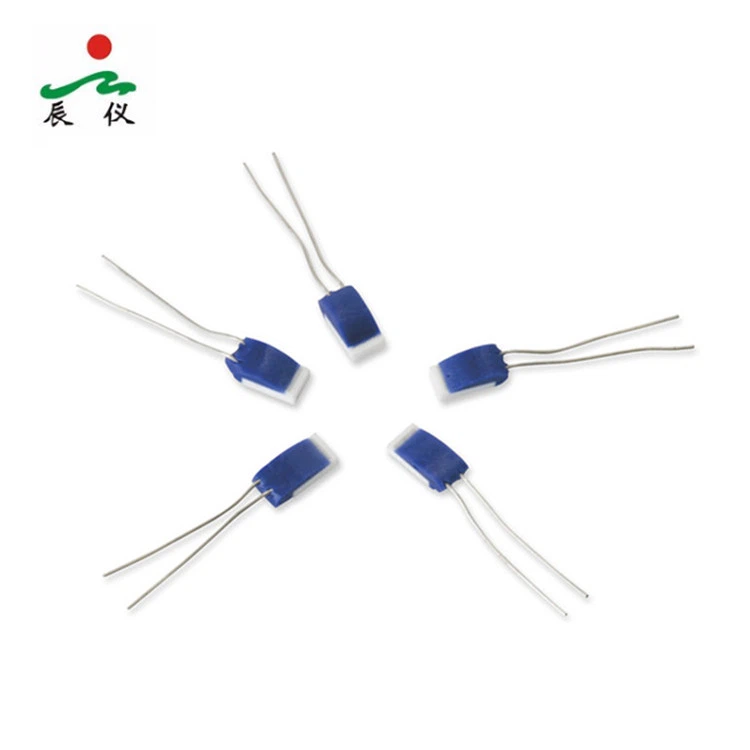

Now, let's take a look at some related products that might also be relevant in the pharma context. If you're interested in other types of RTDs, you can check out our 3D Printer RTD. It has its own unique features and might be suitable for some specific applications within the pharmaceutical manufacturing process, such as in 3D - printed drug delivery systems.
We also offer the RTD PT200 Probe. This probe has a different resistance value compared to the PT100, which can be useful in certain setups where different electrical characteristics are required.
And for those looking for a more compact and lightweight option, our Thin Film Element could be a great choice. It has a fast response time and can be integrated into various systems easily.
In conclusion, a PT100 Ceramic Element can definitely be used in pharmaceutical manufacturing. Its accuracy, stability, and relatively fast response time make it a strong candidate for temperature measurement in this highly regulated industry. While there are some challenges such as cost and calibration, the benefits often outweigh the drawbacks.
If you're in the pharmaceutical manufacturing business and are considering using a PT100 Ceramic Element or any of our other temperature sensors, I'd love to have a chat with you. We can discuss your specific requirements, and I can help you find the best solution for your manufacturing process. Don't hesitate to reach out and start a conversation about your procurement needs.
References
- "Temperature Measurement in the Pharmaceutical Industry" - A technical report on temperature - related requirements in pharma manufacturing.
- "RTD Sensor Technology: Principles and Applications" - A comprehensive guide on RTD sensors and their uses.
