

Hey there! As a supplier of Compression Fittings, I often get asked if these fittings require any special preparation before installation. Well, let's dive right into it and find out.
First off, what are Compression Fittings? They're a type of fitting used to connect two pipes or a pipe to a fixture. You can check out more about them on our website: Compression Fittings. These fittings are super handy because they don't require any soldering or welding, which makes them a popular choice for DIYers and professionals alike.
Now, back to the main question: do they need special preparation? The short answer is yes, but it's not as complicated as you might think.
1. Cleaning the Pipes
One of the most important steps in preparing for compression fitting installation is cleaning the pipes. Any dirt, debris, or rust on the pipe surface can prevent a proper seal. You can use a pipe cleaner or a piece of sandpaper to gently scrub the area where the fitting will be attached. Make sure to remove all the loose particles and leave the pipe surface smooth.
For example, if you're using Stainless Steel Protection Tube, you want to ensure that the end of the tube is clean. Stainless steel can sometimes have a thin layer of oil or dust on it from manufacturing or storage. Wiping it down with a clean cloth and then using a mild solvent can help get rid of any stubborn residue.
2. Measuring and Cutting the Pipes
Accurate measurement and cutting of the pipes are crucial. You need to make sure the pipes are cut to the right length so that the compression fitting can be properly installed. A pipe cutter is the best tool for this job. It gives you a clean, straight cut.
When cutting, measure twice and cut once. This old saying holds true here. You don't want to end up with a pipe that's too short or too long. If the pipe is too short, the fitting might not seal properly. If it's too long, it can cause problems with the overall installation and might even prevent the fitting from being tightened correctly.
3. Checking the Fitting Components
Before you start the installation, take a close look at the compression fitting components. Make sure all the parts are present and in good condition. There are usually three main parts: the nut, the ferrule, and the body of the fitting.
The ferrule is a small ring that creates the seal between the pipe and the fitting. It should be free from any cracks or deformities. If the ferrule is damaged, it won't be able to create a proper seal, and you'll end up with leaks.
The nut should be able to thread onto the fitting body smoothly. If it's difficult to turn or if the threads seem damaged, it's best to get a new fitting.
4. Lubrication
Some compression fittings benefit from a little bit of lubrication. This can make it easier to tighten the fitting and also help create a better seal. You can use a small amount of pipe joint compound or Teflon tape on the threads of the nut.
However, be careful not to use too much lubricant. If it gets inside the pipe, it can cause problems with the flow of the fluid or gas in the system.
5. Choosing the Right Environment
The environment where you're installing the compression fitting matters too. You want to make sure the area is clean and dry. If it's too wet, it can affect the sealing process. Also, if there's a lot of dust or debris in the air, it can get into the fitting and cause problems.
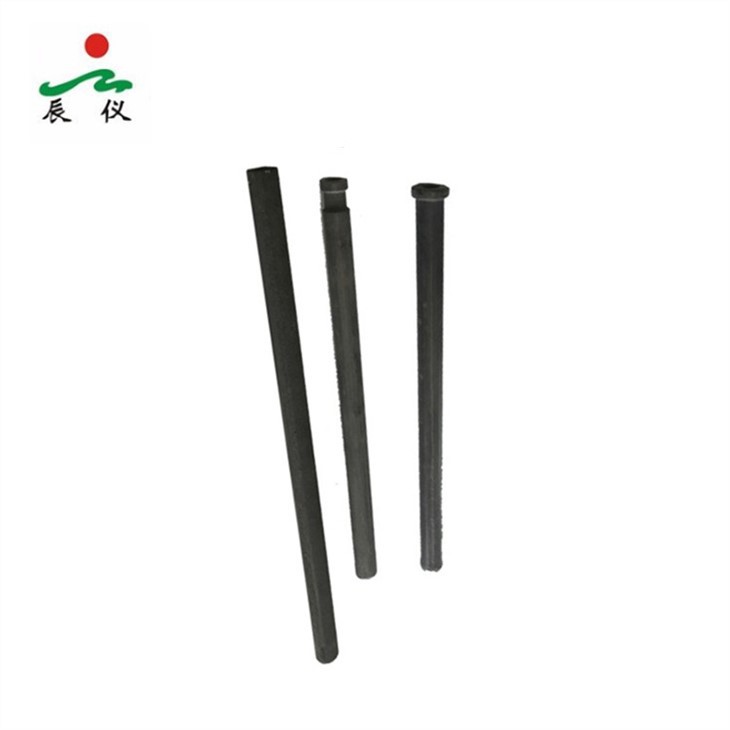
For instance, if you're installing a compression fitting for a Silicon Nitride Tube, which is often used in high - tech or sensitive applications, you need to be extra careful about the environment. A cleanroom or at least a well - ventilated and clean area is ideal.
Installation Process
Once you've done all the preparation, it's time to install the compression fitting. Here's a quick step - by - step guide:
- Slide the nut onto the pipe first, followed by the ferrule.
- Insert the pipe into the fitting body. Make sure it goes in all the way.
- Start tightening the nut by hand. You should feel some resistance as the ferrule starts to compress against the pipe and the fitting body.
- Use a wrench to give the nut a final quarter - turn or so. But don't over - tighten it. Over - tightening can damage the ferrule and the fitting, and it can also cause leaks.
Benefits of Proper Preparation
Taking the time to properly prepare for compression fitting installation has many benefits. First of all, it ensures a proper seal. A well - installed compression fitting won't leak, which is crucial for the safety and efficiency of your plumbing or piping system.
Secondly, it extends the lifespan of the fitting. When the fitting is installed correctly, it's less likely to wear out or get damaged over time. This means you won't have to replace it as often, saving you time and money in the long run.

Conclusion
So, to sum it up, compression fittings do require some special preparation before installation. Cleaning the pipes, accurate measurement and cutting, checking the fitting components, lubrication, and choosing the right environment are all important steps. By following these steps, you can ensure a successful installation and a long - lasting, leak - free connection.
If you're in the market for high - quality Compression Fittings, Silicon Nitride Tube, or Stainless Steel Protection Tube, we've got you covered. Whether you're a professional installer or a DIY enthusiast, our products are designed to meet your needs. Feel free to reach out to us for more information or to start a purchase negotiation. We're always happy to help you find the right solutions for your projects.
References
- Plumbing Handbook: A comprehensive guide to plumbing installation and maintenance.
- Fitting Manufacturers' Specifications: Information provided by the manufacturers of compression fittings.
