

Hey there! As a compression fittings supplier, I know how important it is to keep these little guys clean. Compression fittings are used in a whole bunch of applications, from plumbing to industrial setups. And if they're not clean, they can cause all sorts of problems, like leaks and reduced performance. So, in this blog, I'm gonna share some tips on how to clean compression fittings properly.
Why Cleaning Compression Fittings Matters
Before we jump into the cleaning process, let's talk about why it's so crucial to keep compression fittings clean. You see, these fittings work by creating a tight seal between two pipes or components. Over time, dirt, debris, and even corrosion can build up on the surfaces of the fittings. This buildup can prevent the fitting from making a proper seal, leading to leaks. And let's be real, leaks are no fun - they can waste resources, cause damage to your equipment, and even pose safety hazards.
Another reason to clean compression fittings is to maintain their performance. A clean fitting will operate more smoothly and efficiently, ensuring that your system runs as it should. Plus, regular cleaning can extend the lifespan of your fittings, saving you money in the long run.
Tools and Materials You'll Need
Alright, now that we know why cleaning is important, let's talk about what you'll need to get the job done. Here's a basic list of tools and materials:
- Wrenches: You'll need a set of wrenches to loosen and remove the compression fittings. Make sure you have the right size wrenches for your fittings.
- Cleaning Solution: You can use a mild detergent or a specialized cleaning solution designed for metal surfaces. Avoid using harsh chemicals that could damage the fittings.
- Brushes: Soft-bristled brushes are great for scrubbing away dirt and debris. You can use a toothbrush for hard-to-reach areas.
- Rags or Towels: You'll need some clean rags or towels to dry the fittings after cleaning.
- Lubricant: A little bit of lubricant can help the fittings operate smoothly and prevent corrosion. You can use a silicone-based lubricant or a light machine oil.
Step-by-Step Cleaning Process
Now that you have all your tools and materials ready, it's time to start cleaning. Here's a step-by-step guide:
- Turn Off the System: Before you start working on the compression fittings, make sure to turn off the system and relieve any pressure. This will prevent any accidents or leaks while you're cleaning.
- Loosen and Remove the Fittings: Use your wrenches to loosen and remove the compression fittings from the pipes or components. Be careful not to damage the fittings or the pipes during this process.
- Inspect the Fittings: Once you've removed the fittings, take a close look at them. Check for any signs of damage, such as cracks, dents, or corrosion. If you notice any damage, you may need to replace the fitting.
- Clean the Fittings: Soak the fittings in your cleaning solution for a few minutes to loosen any dirt or debris. Then, use your brushes to scrub the fittings thoroughly, paying special attention to the threads and the sealing surfaces. Rinse the fittings with clean water to remove any remaining cleaning solution.
- Dry the Fittings: Use your rags or towels to dry the fittings completely. Make sure there's no moisture left on the fittings, as this could cause corrosion.
- Lubricate the Fittings: Apply a small amount of lubricant to the threads and the sealing surfaces of the fittings. This will help the fittings operate smoothly and prevent corrosion.
- Reinstall the Fittings: Once the fittings are clean, dry, and lubricated, it's time to reinstall them. Use your wrenches to tighten the fittings securely, but be careful not to overtighten them. Over-tightening can damage the fittings and cause leaks.
- Test the System: After you've reinstalled the fittings, turn on the system and check for any leaks. If you notice any leaks, you may need to tighten the fittings a little more or replace the fitting if it's damaged.
Special Considerations for Different Types of Compression Fittings
Not all compression fittings are created equal, and different types of fittings may require slightly different cleaning methods. Here are some special considerations for a few common types of compression fittings:
- Copper Compression Fittings: Copper fittings are prone to corrosion, especially in areas with hard water. To prevent corrosion, you can use a specialized copper cleaner or a mixture of vinegar and water. Make sure to rinse the fittings thoroughly after cleaning to remove any remaining acid.
- Stainless Steel Compression Fittings: Stainless steel fittings are more resistant to corrosion than copper fittings, but they can still accumulate dirt and debris. You can use a mild detergent or a stainless steel cleaner to clean these fittings. Avoid using abrasive cleaners or brushes, as these can scratch the surface of the fittings.
- Plastic Compression Fittings: Plastic fittings are lightweight and easy to install, but they can be damaged by harsh chemicals. Use a mild soap and water solution to clean plastic fittings, and avoid using any abrasive materials.
Using the Right Protection Tubes
In some applications, compression fittings may be used in conjunction with protection tubes. These tubes can help protect the fittings from damage and extend their lifespan. Here are a few types of protection tubes that you might consider:
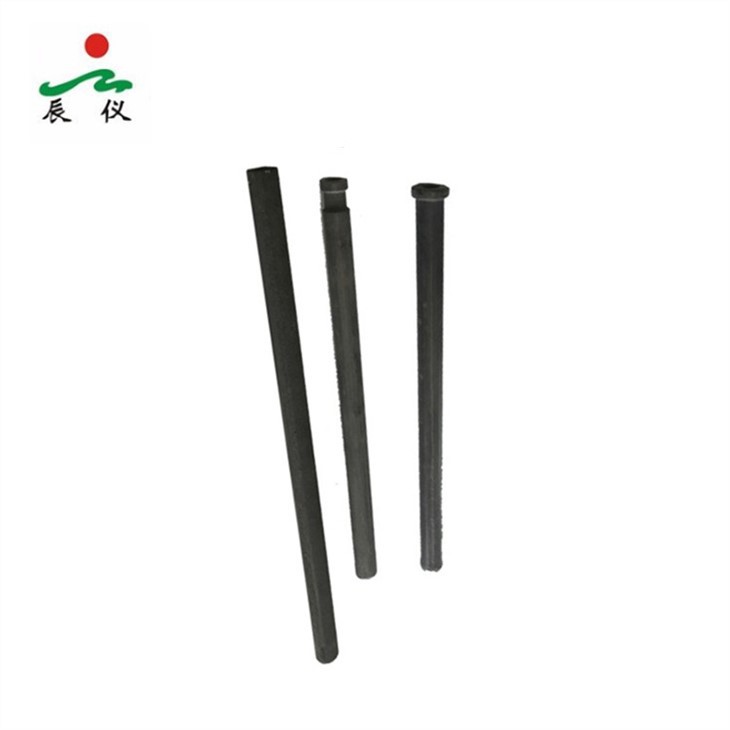
- Silicon Nitride Tube: Silicon nitride tubes are known for their high strength and resistance to wear and corrosion. They're a great choice for high-temperature and high-pressure applications.
- Stainless Steel Protection Tube: Stainless steel tubes are durable and resistant to corrosion. They're commonly used in industrial applications where the fittings need to be protected from harsh environments.
- Alundum Ceramic Tube: Alundum ceramic tubes offer excellent thermal insulation and resistance to chemical attack. They're often used in applications where high temperatures and chemical exposure are a concern.
Conclusion
Cleaning compression fittings is an important part of maintaining your plumbing or industrial system. By following the steps outlined in this blog, you can keep your fittings clean, prevent leaks, and extend their lifespan. Remember to use the right tools and materials, and pay special attention to the type of fittings you're working with. And if you have any questions or need help choosing the right compression fittings or protection tubes for your application, don't hesitate to reach out. We're here to help you find the best solutions for your needs.

So, if you're in the market for high-quality compression fittings or protection tubes, give us a shout. We'd love to have a chat and see how we can assist you with your procurement. Whether you're a DIY enthusiast or a professional in the industry, we've got the products and expertise to meet your requirements.
References
- "Plumbing Handbook" by John Doe
- "Industrial Fittings Guide" by Jane Smith
