

Installing a C type thermocouple in a pipe is a crucial task that requires precision and knowledge. As a supplier of high - quality C Type Thermocouples, I am well - versed in the process and will guide you through each step to ensure a successful installation.
Understanding the C Type Thermocouple
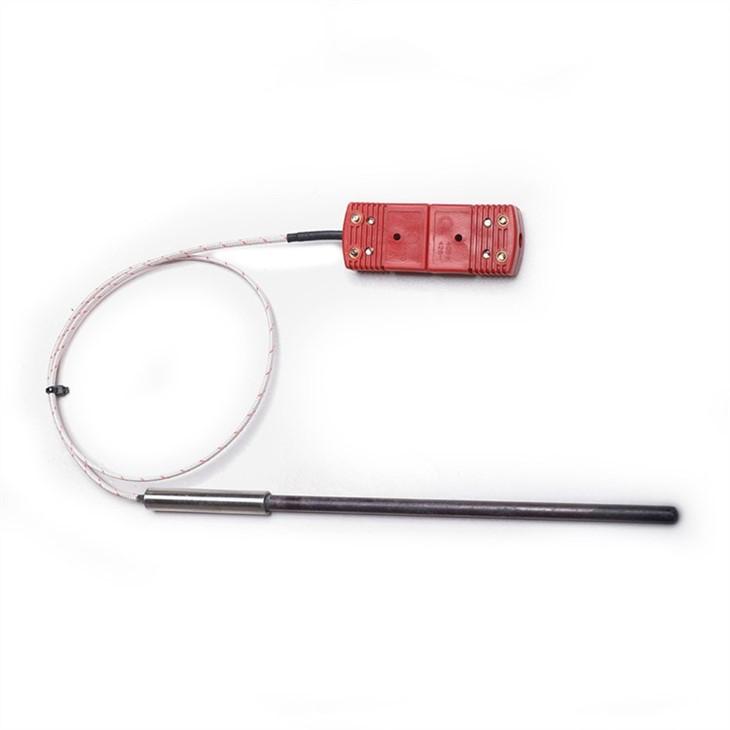
Before diving into the installation process, it's important to understand what a C type thermocouple is. C type thermocouples are known for their ability to measure extremely high temperatures, typically ranging from 0°C to 2320°C. They are composed of tungsten - rhenium alloys, which give them excellent stability and accuracy in high - temperature environments. Our C Type Thermocouple products are designed to meet the most demanding industrial applications, providing reliable temperature measurements.
Tools and Materials Required
To install a C type thermocouple in a pipe, you will need the following tools and materials:
- C type thermocouple: Ensure that you have the appropriate thermocouple for your application. Our range of C Type Thermocouples offers different lengths and configurations to suit various pipe sizes and installation requirements.
- Drill and appropriate drill bits: You'll need to drill a hole in the pipe for the thermocouple insertion. Select the drill bit size based on the diameter of the thermocouple sheath.
- Welding equipment (if required): In some cases, you may need to weld the thermocouple fitting to the pipe for a secure installation.
- Teflon tape or thread sealant: This is used to seal the threads of the thermocouple fitting to prevent leaks.
- Wrenches: For tightening the thermocouple fitting onto the pipe.
- Electrical connectors and wires: To connect the thermocouple to the temperature measurement device.
Step - by - Step Installation Process
Step 1: Pipe Preparation
- Locate the installation point: Choose a suitable location on the pipe where you want to install the thermocouple. This should be a place where the temperature accurately represents the process you are monitoring. Avoid areas near inlets, outlets, or any sources of turbulence that could affect the temperature reading.
- Clean the pipe surface: Use a wire brush or sandpaper to clean the area where the thermocouple will be installed. Remove any rust, paint, or debris to ensure a good connection.
Step 2: Drilling the Hole
- Mark the center: Use a center punch to mark the center of the hole on the pipe. This will help prevent the drill bit from wandering.
- Drill the hole: Select the appropriate drill bit size based on the thermocouple sheath diameter. Drill the hole carefully, ensuring that it is straight and perpendicular to the pipe surface. Take your time to avoid over - drilling or creating a rough hole.
Step 3: Installing the Thermocouple Fitting
- Apply sealant: Wrap Teflon tape around the threads of the thermocouple fitting in a clockwise direction. You can also use a thread sealant for a more secure seal.
- Insert the fitting: Insert the thermocouple fitting into the drilled hole and hand - tighten it. Then, use a wrench to tighten the fitting further, but be careful not to overtighten as this could damage the pipe or the fitting.
Step 4: Welding (if necessary)
- Prepare for welding: If you need to weld the thermocouple fitting to the pipe, clean the contact surfaces thoroughly. Use a welding rod that is compatible with the pipe material.
- Weld the fitting: Follow proper welding procedures to ensure a strong and leak - free connection. Allow the weld to cool completely before proceeding.
Step 5: Inserting the Thermocouple
- Remove the protective cap: If the thermocouple has a protective cap, remove it carefully.
- Insert the thermocouple: Insert the thermocouple into the fitting until it reaches the desired depth. Make sure that the thermocouple is centered in the pipe and that the measuring junction is in the correct position.
Step 6: Electrical Connection
- Strip the wires: Strip the ends of the thermocouple wires and the wires from the temperature measurement device.
- Connect the wires: Connect the thermocouple wires to the corresponding terminals on the temperature measurement device. Use appropriate electrical connectors to ensure a secure connection.
Testing and Calibration
After installing the C type thermocouple, it's important to test and calibrate it to ensure accurate temperature measurements.
- Power on the system: Turn on the temperature measurement device and check if it is reading a temperature. If there is no reading, check the electrical connections and make sure the thermocouple is properly installed.
- Calibration: If necessary, calibrate the thermocouple using a known temperature source. This will ensure that the temperature readings are accurate and reliable.
Maintenance and Troubleshooting
To keep your C type thermocouple working properly, regular maintenance is required.
- Inspect the thermocouple regularly: Check for any signs of damage, such as a broken sheath or loose connections. Replace the thermocouple if necessary.
- Clean the thermocouple: If the thermocouple is exposed to contaminants, clean it using a suitable cleaning agent.
- Troubleshooting: If you encounter any problems with the temperature readings, check the electrical connections, the thermocouple installation, and the calibration.
Other Types of Thermocouples
In addition to C type thermocouples, we also offer other types of thermocouples for different applications. Our WRe526 Thermocouple is another high - temperature thermocouple that provides accurate temperature measurements in extreme environments. For small - scale and laboratory applications, our Small and Laboratory Thermocouples are a great choice.

Contact for Purchase and Consultation
If you are interested in purchasing C type thermocouples or need further assistance with the installation process, please feel free to contact us. Our team of experts is always ready to help you find the right thermocouple solution for your needs.
References
- "Thermocouple Handbook" by Omega Engineering
- "Industrial Temperature Measurement" by John Doe
