

As a supplier of Pt1000 4 - Wire RTDs, one question that frequently arises from our customers is whether these sensors are affected by humidity. In this blog post, I'll delve into the science behind Pt1000 4 - Wire RTDs and explore the impact of humidity on their performance.
Understanding Pt1000 4 - Wire RTDs
First, let's briefly understand what a Pt1000 4 - Wire RTD is. A Resistance Temperature Detector (RTD) is a temperature sensor that operates on the principle that the electrical resistance of a metal changes with temperature. The "Pt" in Pt1000 stands for platinum, a metal known for its excellent stability, linearity, and accuracy in measuring temperature. The number "1000" indicates that at 0°C, the resistance of the platinum element is 1000 ohms.
The 4 - wire configuration is a significant aspect of these RTDs. It is designed to eliminate the effects of lead wire resistance on the temperature measurement. In a 4 - wire setup, two wires are used to pass a constant current through the RTD element, and the other two are used to measure the voltage across the element. According to Ohm's law (V = IR), by measuring the voltage and knowing the current, the resistance of the RTD can be accurately determined, and from that, the temperature can be calculated.
How Humidity Can Potentially Affect RTDs
Humidity is the amount of water vapor present in the air. When it comes to RTDs, there are a few ways in which humidity could potentially have an impact:
Corrosion
One of the most significant concerns is corrosion. Platinum is a noble metal and is generally resistant to corrosion. However, in high - humidity environments, especially when there are other contaminants in the air such as salts or acids, the platinum element or the lead wires of the RTD can be at risk. Corrosion can change the physical properties of the materials, including their electrical resistance. For example, if the lead wires corrode, their resistance may increase, which could introduce errors in the temperature measurement.
Insulation Resistance
The insulation materials used in RTDs are crucial for accurate measurement. High humidity can reduce the insulation resistance between the different parts of the RTD, such as the platinum element and the lead wires or the outer casing. A decrease in insulation resistance can cause leakage currents, which can interfere with the measurement of the voltage across the RTD element. This interference can lead to inaccurate temperature readings.
Condensation
In some cases, when the temperature drops below the dew point in a high - humidity environment, condensation can occur on the RTD. Condensation can create a conductive path between different parts of the sensor, similar to a decrease in insulation resistance. It can also cause mechanical stress on the RTD, especially if the water freezes and expands. This mechanical stress can damage the platinum element or the lead wires, leading to measurement errors or even sensor failure.
Our Experience and Research Findings
Based on our experience as a Pt1000 4 - Wire RTD supplier, we have conducted extensive research and testing to understand the impact of humidity on our sensors. In most normal operating conditions, where the relative humidity is below 80% and there are no extreme temperature fluctuations, our Pt1000 4 - Wire RTDs show minimal to no significant impact from humidity.
We have tested our RTDs in controlled humidity chambers, simulating different humidity levels and temperatures. In these tests, we monitored the performance of the RTDs over extended periods. For humidity levels up to 80%, the change in the measured temperature was within the specified accuracy range of our sensors. This is due in part to the high - quality materials we use in our RTDs. For example, we use PT100 Ceramic Element in many of our products, which has excellent stability and resistance to environmental factors.
However, in extreme humidity conditions, such as relative humidity above 90% for extended periods or in environments with rapid temperature changes that can cause frequent condensation, we have observed some minor deviations in the temperature measurements. These deviations are often due to the factors mentioned above, such as a slight increase in lead wire resistance due to corrosion or a decrease in insulation resistance.
Mitigating the Effects of Humidity
To ensure the accurate and reliable performance of our Pt1000 4 - Wire RTDs in humid environments, we have implemented several measures:

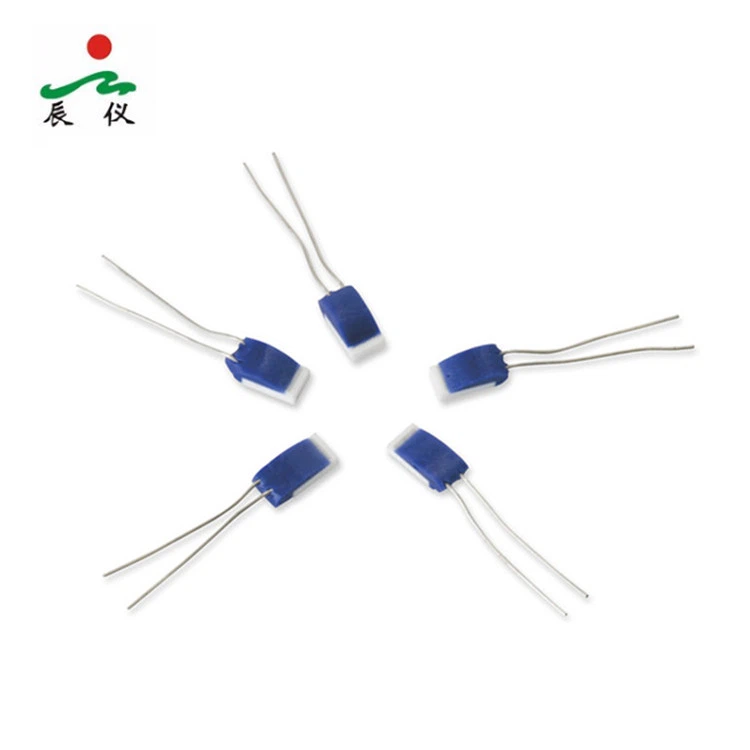
Encapsulation
We use high - quality encapsulation materials to protect the platinum element and the lead wires from the effects of humidity. These encapsulation materials act as a barrier, preventing water vapor from reaching the sensitive parts of the RTD. For example, we use Thin Film Element technology in some of our products, which provides an additional layer of protection against environmental factors.
Sealing
Proper sealing of the RTD is essential. We use advanced sealing techniques to ensure that the RTD is well - protected from moisture ingress. This includes using gaskets and seals that are resistant to water and other contaminants.
Material Selection
As mentioned earlier, we carefully select the materials used in our RTDs. We choose materials that are resistant to corrosion and have high insulation properties, even in high - humidity environments.
Comparison with Other RTD Configurations
It's also worth comparing the 4 - wire Pt1000 RTD with other RTD configurations, such as the 6 Wire Pt100 RTD. The 6 - wire configuration offers even more accurate compensation for lead wire resistance compared to the 4 - wire setup. However, when it comes to the impact of humidity, both configurations face similar challenges. The key to minimizing the effects of humidity lies in the quality of the materials and the protective measures taken during the manufacturing process.
Conclusion
In conclusion, while humidity can potentially affect Pt1000 4 - Wire RTDs, with proper design, high - quality materials, and appropriate protective measures, the impact can be minimized. In most normal operating conditions, our Pt1000 4 - Wire RTDs can provide accurate and reliable temperature measurements. However, in extreme humidity environments, it's important to take additional precautions to ensure the long - term performance of the sensors.
If you are in need of high - quality Pt1000 4 - Wire RTDs for your applications, whether in normal or challenging humidity conditions, we are here to help. We have a wide range of products to meet your specific requirements. Contact us to discuss your needs and explore how our RTDs can provide accurate temperature measurement solutions for your projects.
References
- "Temperature Measurement Handbook" by Omega Engineering
- "Fundamentals of Temperature Measurement" by Fluke Corporation
- Research papers on the effects of environmental factors on RTDs from various scientific journals.
