

Hey there! I'm a supplier of RTD (Resistance Temperature Detector) probes, and while these little devices are super useful in a whole bunch of industries, they're not without their drawbacks. In this blog, I'm gonna break down some of the disadvantages of RTD probes that you should know about.
1. Cost
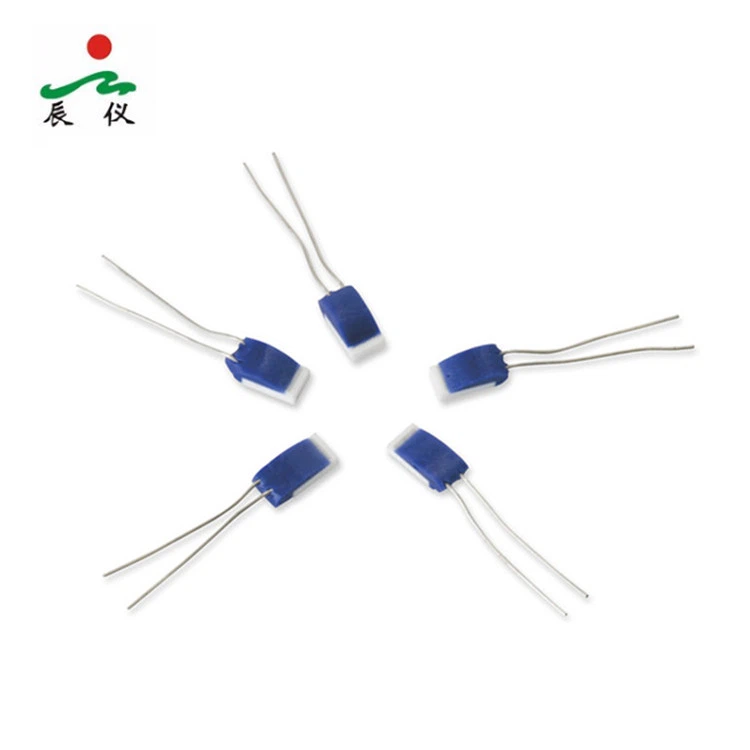
One of the most obvious cons of RTD probes is the cost. Compared to other temperature sensors like thermocouples, RTD probes are generally more expensive. The materials used in RTDs, such as platinum, which is a common element in PT100 Ceramic Element, are costly. Platinum is highly stable and has a very predictable resistance - temperature relationship, which makes it ideal for accurate temperature measurements. But that quality comes at a price.
Manufacturing RTD probes also involves complex processes. The wire winding or thin - film deposition techniques used to create the sensing element require precision and specialized equipment. For example, Thin Film Element production needs advanced thin - film technology, which adds to the overall cost. This higher price point can be a significant deterrent, especially for small - scale projects or applications where cost is a major factor.
2. Response Time
RTD probes tend to have a slower response time compared to some other temperature sensors. The way they work is based on the change in electrical resistance due to temperature variations. This physical process takes a bit of time. When there's a sudden change in temperature, the RTD probe needs time to reach thermal equilibrium with its surroundings so that the resistance can accurately reflect the new temperature.
In applications where rapid temperature changes occur, like in some high - speed manufacturing processes or in certain types of chemical reactions, a slow response time can be a real problem. For instance, in a 3D printing process where the temperature of the extruder needs to be precisely controlled in real - time, a slow - responding 3D Printer RTD might not be able to keep up with the quick temperature adjustments required, leading to sub - optimal print quality.
3. Fragility
RTD probes can be quite fragile, especially those with fine wire windings or thin - film elements. The sensing element in an RTD is often very delicate. A small mechanical shock or vibration can damage the wire or the thin - film layer, which will then affect the accuracy of the temperature measurement.
In industrial environments where there's a lot of movement, heavy machinery, or rough handling, this fragility can be a big issue. For example, in a mining or construction site, the constant vibrations and potential impacts can easily break an RTD probe. Even in a laboratory setting, accidental bumps or improper handling during installation or maintenance can lead to a damaged probe.
4. Limited Temperature Range
Although RTD probes can measure a wide range of temperatures, they do have their limits. Platinum - based RTDs, which are the most common type, typically have an upper temperature limit of around 850°C. Beyond this temperature, the platinum can start to oxidize, and the resistance - temperature relationship may become less predictable.
In applications that require measuring extremely high temperatures, like in some metal smelting or high - temperature furnace operations, RTD probes may not be suitable. Thermocouples, on the other hand, can handle much higher temperatures, sometimes up to 2000°C or more. So, if you're dealing with very high - temperature environments, you might have to look for an alternative to RTD probes.
5. Signal Conditioning Requirements
RTD probes require more complex signal conditioning compared to some other temperature sensors. Since the change in resistance is usually small, it needs to be converted into a usable electrical signal, such as a voltage or current. This conversion process involves using precision resistors, amplifiers, and other electronic components.
The signal conditioning circuit needs to be carefully designed to ensure accurate and reliable measurements. Any errors or inaccuracies in the signal conditioning can directly affect the temperature reading. This complexity not only adds to the overall cost of the temperature measurement system but also requires more technical expertise to set up and maintain.
6. Self - Heating
When an electrical current passes through the RTD probe to measure the resistance, it can cause self - heating. This self - heating effect can lead to an inaccurate temperature measurement because the probe's temperature is being artificially raised by the current.
To minimize self - heating, a very small current is usually used. However, using a small current also means that the signal is weaker, which can make it more difficult to measure accurately. In applications where high - precision measurements are required, this self - heating issue needs to be carefully managed, which adds another layer of complexity to the temperature measurement process.
7. Sensitivity to Electrical Interference
RTD probes are sensitive to electrical interference. Since they rely on measuring small changes in electrical resistance, any external electrical noise can affect the measurement. In industrial environments, there are often a lot of electrical devices, motors, and power lines that can generate electromagnetic interference.

This interference can cause fluctuations in the measured resistance, leading to inaccurate temperature readings. To reduce the impact of electrical interference, special shielding and grounding techniques are required. These additional measures increase the cost and complexity of the installation.
Despite all these disadvantages, RTD probes still have many advantages, such as high accuracy, good stability, and long - term reliability. In many applications, the benefits outweigh the drawbacks. If you're considering using RTD probes for your project, it's important to carefully evaluate your specific requirements and take these disadvantages into account.
If you're interested in learning more about our RTD probes or have any questions regarding their suitability for your application, don't hesitate to reach out. We're here to help you make the best decision for your temperature measurement needs and can provide more detailed information about our products.
References
- "Temperature Measurement Handbook" by John Doe
- "Industrial Temperature Sensors: Principles and Applications" by Jane Smith
- Various industry - specific research papers on temperature sensors and their limitations.
