

Silicon nitride tubes have gained significant attention in various industries due to their unique combination of properties. One of the key aspects that engineers and researchers often inquire about is their gas - permeability properties. As a supplier of Silicon Nitride Tubes, I am well - versed in these characteristics and am excited to share detailed insights.
1. Understanding Gas Permeability
Gas permeability refers to the ability of a material to allow gases to pass through it. It is a crucial property in many applications, such as chemical processing, gas separation, and high - temperature environments. The gas permeability of a material is typically characterized by parameters like the permeability coefficient, which is a measure of the rate at which a gas can permeate through a unit thickness of the material under a given pressure difference.
2. Gas Permeability of Silicon Nitride Tubes
Silicon nitride ($Si_3N_4$) is a ceramic material known for its excellent mechanical, thermal, and chemical properties. When it comes to gas permeability, silicon nitride tubes generally exhibit low gas permeability under normal conditions.
2.1. Microstructure and Gas Permeability
The gas permeability of silicon nitride tubes is closely related to their microstructure. Silicon nitride is often produced through processes like hot - pressing or sintering. During these processes, the material forms a dense structure with a low porosity. A lower porosity means fewer pathways for gases to penetrate through the tube wall.
In a well - sintered silicon nitride tube, the grains are tightly packed, and the grain boundaries act as barriers to gas diffusion. The small grain size and the strong bonding between the grains further reduce the gas permeability. For example, compared to some porous ceramic materials, silicon nitride tubes can effectively prevent the leakage of gases such as oxygen, nitrogen, and hydrogen.
2.2. Temperature Effects on Gas Permeability
Temperature has a significant impact on the gas permeability of silicon nitride tubes. At low temperatures, the gas permeability is extremely low because the thermal energy of the gas molecules is insufficient to overcome the energy barriers presented by the tube's microstructure.
As the temperature increases, the gas molecules gain more kinetic energy, and the diffusion rate through the tube wall increases. However, silicon nitride has a relatively high melting point (around 1900°C), and even at elevated temperatures, its gas permeability remains relatively low compared to many other materials. This makes silicon nitride tubes suitable for high - temperature applications where gas tightness is required, such as in high - temperature furnaces or chemical reactors.
2.3. Gas Species and Permeability
Different gas species have different permeation rates through silicon nitride tubes. Smaller gas molecules, such as hydrogen, generally have a higher permeability than larger molecules like carbon dioxide. This is because smaller molecules can more easily diffuse through the small pores and grain boundaries in the silicon nitride structure.
However, even for hydrogen, the permeability of silicon nitride tubes is still much lower than that of some polymers or porous metals. This selectivity in gas permeability can be exploited in applications where the separation of different gases is required.
3. Applications Based on Gas Permeability Properties
3.1. Gas Sensors
Silicon nitride tubes can be used in gas sensors. Their low gas permeability allows for the creation of a stable environment within the sensor. For example, in a gas sensor for detecting trace amounts of a particular gas, the silicon nitride tube can act as a protective barrier, preventing the interference of other gases in the surrounding environment. This ensures the accuracy and reliability of the gas sensor.
3.2. Chemical Reactors
In chemical reactors, maintaining a controlled gas environment is crucial. Silicon nitride tubes can be used as liners or protective tubes to prevent gas leakage and contamination. Their low gas permeability at high temperatures makes them ideal for reactions that occur under extreme conditions. For instance, in the production of high - purity chemicals, silicon nitride tubes can ensure that the reactant gases do not escape, and the product gases are properly contained.
3.3. High - Temperature Furnaces
High - temperature furnaces often require materials that can withstand high temperatures and prevent gas leakage. Silicon nitride tubes can be used as heating element protection tubes or gas delivery tubes. Their low gas permeability helps to maintain the desired gas atmosphere inside the furnace, which is essential for processes like heat treatment and material synthesis.
4. Comparison with Other Materials
4.1. Comparison with Alundum Ceramic Tubes
Alundum Ceramic Tube is another type of ceramic tube commonly used in industrial applications. While alundum ceramic tubes have good thermal and mechanical properties, their gas permeability is generally higher than that of silicon nitride tubes. This is because alundum ceramics may have a relatively higher porosity and a different microstructure compared to silicon nitride.
Silicon nitride tubes are a better choice when low gas permeability is a critical requirement, especially in applications where gas tightness is essential at high temperatures.
4.2. Comparison with Compression Fittings
Compression Fittings are used to connect tubes and pipes in various systems. While compression fittings can provide a good seal, they may not be as effective as silicon nitride tubes in preventing gas leakage in high - temperature or corrosive environments.
Silicon nitride tubes offer a more reliable and long - term solution for gas containment due to their inherent low gas permeability and excellent chemical resistance.
5. Our Silicon Nitride Tubes
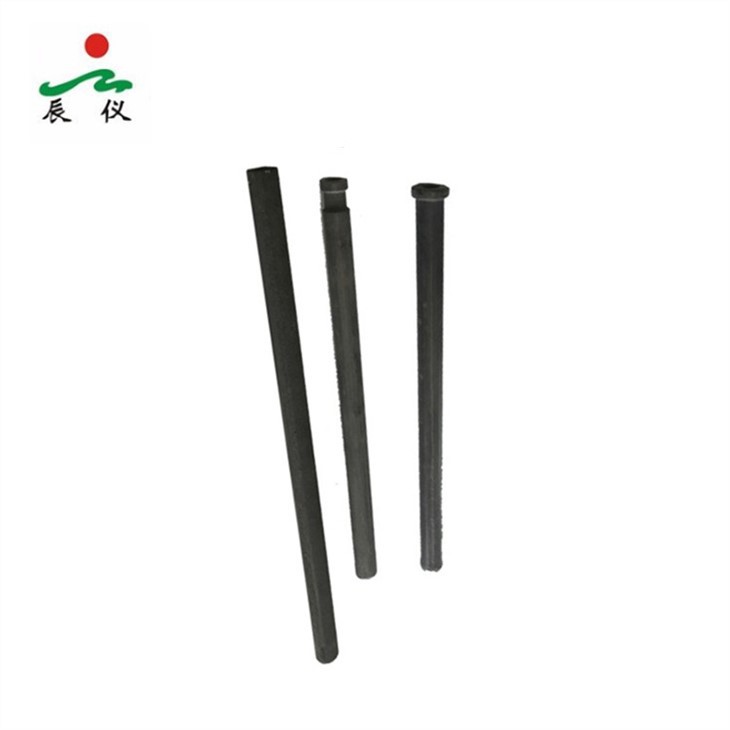
As a supplier of Silicon Nitride Tube, we take pride in offering high - quality products with excellent gas - permeability properties. Our silicon nitride tubes are manufactured using advanced production techniques to ensure a dense and uniform microstructure.
We conduct rigorous quality control tests to verify the gas permeability of our tubes. Our products are suitable for a wide range of applications, from small - scale laboratory experiments to large - scale industrial processes.

6. Contact for Purchase and Consultation
If you are looking for high - quality silicon nitride tubes with specific gas - permeability requirements, we are here to help. Our team of experts can provide detailed technical information and guidance to ensure that you select the right product for your application. Whether you are involved in research, manufacturing, or any other industry that requires silicon nitride tubes, we invite you to contact us for a consultation and discuss your purchasing needs.
References
- German, R. M. (1996). Sintering Theory and Practice. John Wiley & Sons.
- Kingery, W. D., Bowen, H. K., & Uhlmann, D. R. (1976). Introduction to Ceramics. John Wiley & Sons.
- Reed, J. S. (1995). Principles of Ceramics Processing. John Wiley & Sons.
