

Hey there! As a supplier of Alundum Ceramic Tubes, I often get asked about the maximum pressure these tubes can withstand. It's a crucial question, especially for those in industries where high - pressure environments are the norm. So, let's dive right into it.
What is Alundum Ceramic Tube?
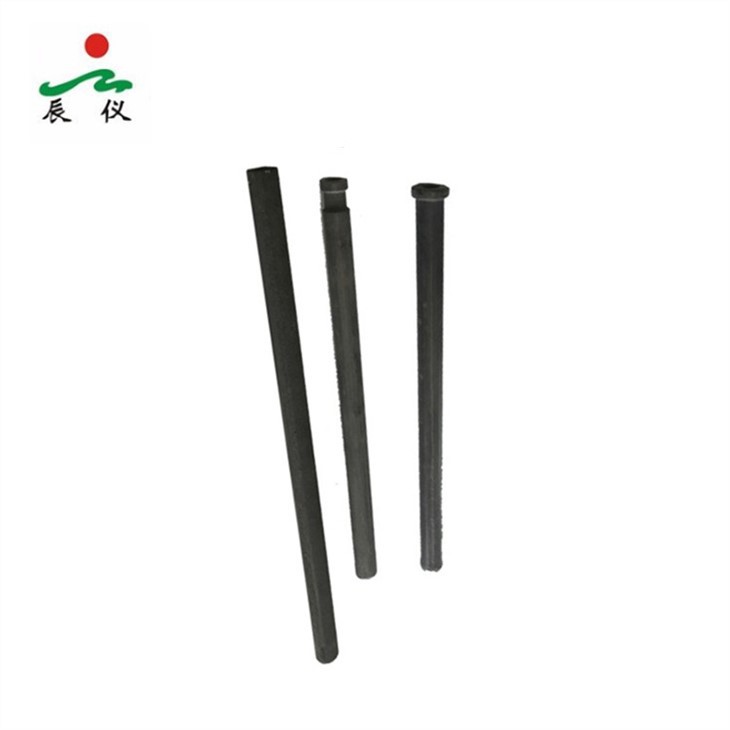
First off, let me give you a quick rundown on what Alundum Ceramic Tubes are. Alundum is a high - purity alumina ceramic. These tubes are made from this special ceramic material, which gives them some pretty amazing properties. They're known for their excellent thermal stability, high electrical resistivity, and good mechanical strength.
The composition of Alundum is mainly alumina (Al₂O₃), and the high purity of this alumina makes the tubes highly resistant to chemical corrosion. This means they can be used in a wide range of harsh chemical environments without getting damaged easily.
Factors Affecting the Pressure Resistance of Alundum Ceramic Tubes
The maximum pressure an Alundum Ceramic Tube can handle isn't a fixed number. It depends on several factors.
Wall Thickness
One of the most significant factors is the wall thickness of the tube. A thicker - walled tube can generally withstand higher pressures than a thinner one. Think of it like a water pipe. A pipe with a thick wall is less likely to burst under high water pressure compared to a thin - walled one. When we manufacture Alundum Ceramic Tubes, we can adjust the wall thickness according to the specific pressure requirements of our customers.
Tube Diameter
The diameter of the tube also plays a role. Smaller - diameter tubes tend to be able to handle higher pressures. This is because the stress distribution within the tube is different for different diameters. A smaller diameter means the pressure is distributed over a smaller area, and the tube can better resist the forces acting on it.
Temperature
Temperature is another crucial factor. As the temperature increases, the mechanical properties of the Alundum Ceramic Tube can change. At high temperatures, the tube may become more brittle, and its ability to withstand pressure can decrease. So, if you're using these tubes in a high - temperature environment, you need to take this into account when considering the maximum pressure.
Determining the Maximum Pressure
To figure out the maximum pressure an Alundum Ceramic Tube can withstand, we use a combination of theoretical calculations and practical testing.
Theoretical Calculations
We have some pretty complex mathematical models based on the material properties of Alundum and the geometry of the tube. These models take into account factors like wall thickness, tube diameter, and the elastic modulus of the ceramic. By inputting these values into the models, we can get an initial estimate of the maximum pressure the tube can handle.
Practical Testing
However, theoretical calculations are just a starting point. We also conduct a series of practical tests. We subject the tubes to gradually increasing pressures in a controlled environment and monitor their behavior. We look for signs of cracking, deformation, or any other damage. Once we start to see these signs, we know we're approaching the maximum pressure the tube can withstand.
Comparison with Other Tubes
It's also interesting to compare Alundum Ceramic Tubes with other types of tubes. For example, Stainless Steel Protection Tube. Stainless steel tubes are strong and can handle high pressures, but they are not as resistant to corrosion as Alundum Ceramic Tubes in some chemical environments.
Another type is the Silicon Nitride Tube. Silicon nitride tubes have excellent thermal shock resistance, but their pressure - handling capabilities are different from those of Alundum Ceramic Tubes. Each type of tube has its own advantages and disadvantages, and the choice depends on the specific application.
Applications and Pressure Requirements
Alundum Ceramic Tubes are used in a variety of industries, and each industry has its own pressure requirements.
Chemical Industry
In the chemical industry, these tubes are often used in reactors and pipelines where they may be exposed to high - pressure chemicals. The pressure in these applications can range from a few atmospheres to several hundred atmospheres, depending on the specific process.
Electronics Industry
In the electronics industry, Alundum Ceramic Tubes are used for things like insulation and protection. The pressure requirements here are usually much lower compared to the chemical industry, but the tubes still need to be able to withstand the normal operating pressures in the equipment.
Compression Fittings and Pressure Resistance
When using Alundum Ceramic Tubes, the choice of Compression Fittings is also important. Compression fittings are used to connect the tubes to other components in a system. A good compression fitting can help to maintain the pressure integrity of the tube. It can prevent leaks and ensure that the tube can perform at its best under pressure.
Real - World Examples
Let me share a couple of real - world examples. We had a customer in the oil and gas industry. They needed tubes that could withstand high pressures in a corrosive environment. We provided them with Alundum Ceramic Tubes with a specific wall thickness and diameter based on their pressure requirements. After installation, the tubes worked perfectly, and they were able to operate in that high - pressure environment for a long time without any issues.
Another customer in the semiconductor manufacturing industry used our tubes for insulation purposes. Since the pressure requirements were relatively low in their application, we were able to supply them with thinner - walled tubes, which saved them some costs.
Conclusion
So, to sum it up, the maximum pressure that an Alundum Ceramic Tube can withstand depends on multiple factors like wall thickness, tube diameter, and temperature. Through theoretical calculations and practical testing, we can determine the appropriate pressure - handling capacity for different tube designs.
If you're in an industry that requires tubes with high - pressure resistance and excellent chemical corrosion resistance, Alundum Ceramic Tubes could be a great choice for you. Whether you're in the chemical, electronics, or any other industry, we can customize the tubes according to your specific needs.
If you're interested in learning more about our Alundum Ceramic Tubes or have specific pressure requirements for your application, don't hesitate to reach out. We're here to help you find the perfect solution for your project. Let's start a conversation and see how we can work together to meet your needs.

References
- "Ceramics Science and Technology Handbook", edited by Jörg Rösler and others.
- Technical reports on ceramic materials from industry research institutions.
