

Can compression fittings be used in a vacuum system? This is a question that often arises among professionals in various industries, especially those dealing with high - precision equipment and scientific research. As a Compression Fittings supplier, I am here to provide you with a comprehensive analysis of this topic.
Understanding Compression Fittings
Compression fittings are a type of mechanical coupling used to connect two pipes or a pipe to a fixture. They consist of a compression nut, a compression ring (ferrule), and a body. When the compression nut is tightened onto the body over the pipe, the ferrule is compressed, creating a seal around the pipe. This type of fitting is popular due to its ease of installation, reusability, and ability to provide a reliable seal in many applications. You can find a wide range of Compression Fittings on our website.
Requirements of Vacuum Systems
Vacuum systems operate under pressures significantly lower than atmospheric pressure. Achieving and maintaining a stable vacuum is crucial for the proper functioning of these systems. The key requirements for components in a vacuum system include vacuum integrity, low outgassing, and resistance to wear and corrosion.
Vacuum integrity is perhaps the most critical factor. Any leak in the system can compromise the vacuum level, leading to inaccurate experimental results in research settings or reduced efficiency in industrial processes. Low outgassing is also essential because gases released from materials inside the vacuum can increase the pressure and contaminate the system. Additionally, components must be able to withstand the mechanical stress caused by the pressure differential between the inside and outside of the system.
Advantages of Using Compression Fittings in Vacuum Systems
One of the main advantages of compression fittings in vacuum systems is their relatively simple installation process. Unlike some other types of fittings that may require welding or special tools, compression fittings can be installed with basic hand tools. This ease of installation can save time and labor costs, especially in situations where quick repairs or modifications are needed.
Compression fittings also offer a high degree of flexibility. They can be easily disassembled and reassembled, which is useful for maintenance and system upgrades. If a part of the vacuum system needs to be replaced or adjusted, compression fittings allow for quick changes without the need for complex procedures.
In terms of sealing performance, modern compression fittings are designed to provide excellent vacuum integrity. High - quality ferrules can deform to create a tight seal around the pipe, preventing air from leaking into the vacuum system. This is particularly important in applications where even a small leak can have a significant impact on the system's performance.
Challenges and Considerations
However, there are also some challenges and considerations when using compression fittings in vacuum systems. One of the main issues is outgassing. The materials used in compression fittings, such as rubber or plastic ferrules, may outgas under vacuum conditions. This can introduce contaminants into the system and affect the vacuum quality. To mitigate this problem, it is important to choose compression fittings made from materials with low outgassing characteristics, such as stainless steel or certain types of ceramics.
Another consideration is the potential for vibration and mechanical stress. In some vacuum systems, there may be significant vibration or mechanical movement. Compression fittings need to be able to withstand these forces without loosening or losing their seal. Proper installation and the use of additional support mechanisms, such as brackets or clamps, can help ensure the stability of the fittings.
The size and shape of the pipes also play a role. Compression fittings are typically designed for specific pipe diameters and wall thicknesses. Using the wrong size fitting can result in a poor seal and potential leaks. It is essential to carefully select the appropriate compression fittings based on the specifications of the vacuum system.

Compatibility with Other Components
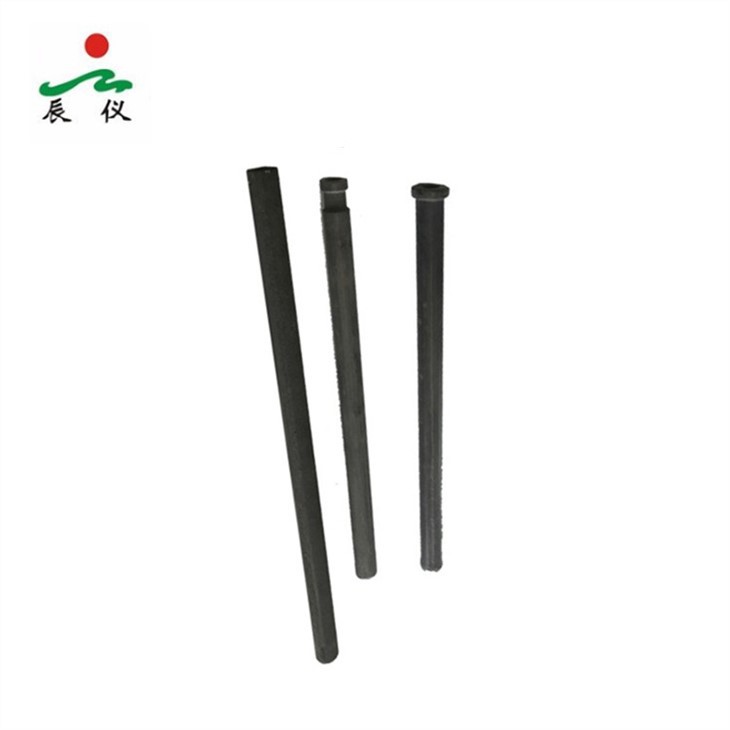
In a vacuum system, compression fittings need to be compatible with other components, such as Silicon Nitride Tube and Stainless Steel Protection Tube. For example, when connecting a compression fitting to a silicon nitride tube, it is important to ensure that the fitting does not cause excessive stress on the tube. The hardness and brittleness of silicon nitride require careful handling during installation.
Similarly, when using compression fittings with stainless steel protection tubes, the materials of the fitting and the tube should be compatible to prevent galvanic corrosion. Galvanic corrosion can occur when two different metals are in contact in the presence of an electrolyte, which can weaken the connection and lead to leaks.
Case Studies
Let's look at some real - world examples to better understand the performance of compression fittings in vacuum systems. In a research laboratory conducting experiments on high - energy physics, they needed to connect various components in a vacuum chamber. They initially used welded joints, but found that the installation process was time - consuming and difficult to modify. After switching to compression fittings, they were able to quickly assemble and disassemble the system for different experiments. The compression fittings provided a reliable seal, and the system maintained a stable vacuum level throughout the experiments.
In an industrial vacuum coating process, compression fittings were used to connect the gas lines and the vacuum chamber. The flexibility of the compression fittings allowed for easy adjustment of the gas flow rates and the replacement of worn - out components. Despite the high - temperature and high - pressure environment in the coating chamber, the compression fittings remained leak - free, ensuring the quality of the coating process.
Conclusion
In conclusion, compression fittings can be used in a vacuum system, but careful consideration must be given to various factors such as outgassing, mechanical stress, and compatibility with other components. When properly selected and installed, compression fittings can offer significant advantages in terms of ease of installation, flexibility, and sealing performance.
As a Compression Fittings supplier, we offer a wide range of high - quality products that are suitable for vacuum systems. Our fittings are made from materials with low outgassing characteristics and are designed to withstand the rigors of vacuum applications. If you are in need of compression fittings for your vacuum system, or if you have any questions about the compatibility of our products with your specific setup, we encourage you to contact us for a detailed discussion. We look forward to working with you to meet your vacuum system needs.
References
- "Vacuum Technology Handbook", John Wiley & Sons
- "Compression Fittings: Principles and Applications", Industrial Press Inc.
