

As a supplier of RTD PT200 probes, I often get asked whether these probes are affected by oil or grease. It's a valid question, especially considering the diverse environments where these sensors are used. In this blog, I'll share my insights based on years of experience in the industry.
Let's first understand what an RTD PT200 probe is. Resistance Temperature Detectors (RTDs) are sensors used to measure temperature by correlating the resistance of the RTD element with temperature. The PT200 in the name indicates that at 0°C, the probe has a resistance of 200 ohms. These probes are known for their high accuracy and stability, making them a popular choice in many industrial applications.
Now, let's talk about oil and grease. In industrial settings, these substances are everywhere. From manufacturing plants to automotive workshops, oil and grease are used for lubrication, cooling, and other functions. So, it's inevitable that RTD PT200 probes might come into contact with them.
The impact of oil or grease on an RTD PT200 probe depends on several factors. One of the key factors is the type of oil or grease. Different oils and greases have different chemical compositions, viscosities, and temperatures at which they operate. For example, some industrial oils are highly viscous and contain additives that can be corrosive over time. If an RTD PT200 probe is exposed to such oils, it could potentially cause damage to the probe's outer casing or the internal Thin Film Element.
The temperature at which the oil or grease is operating also matters. High - temperature oils can cause thermal stress on the probe. If the probe is not designed to withstand the high temperatures associated with the oil, it can lead to changes in the resistance of the RTD element, which in turn affects the accuracy of temperature measurement.
Another factor is the duration of exposure. A short - term exposure to oil or grease might not have a significant impact on the probe. However, if the probe is continuously submerged in oil or grease for an extended period, it can lead to degradation of the probe's performance.
In terms of the physical construction of the RTD PT200 probe, the outer casing plays a crucial role in protecting the internal components from oil and grease. A well - sealed and corrosion - resistant casing can prevent oil and grease from seeping into the probe. For example, probes with stainless - steel casings are generally more resistant to oil and grease compared to those with plastic casings.

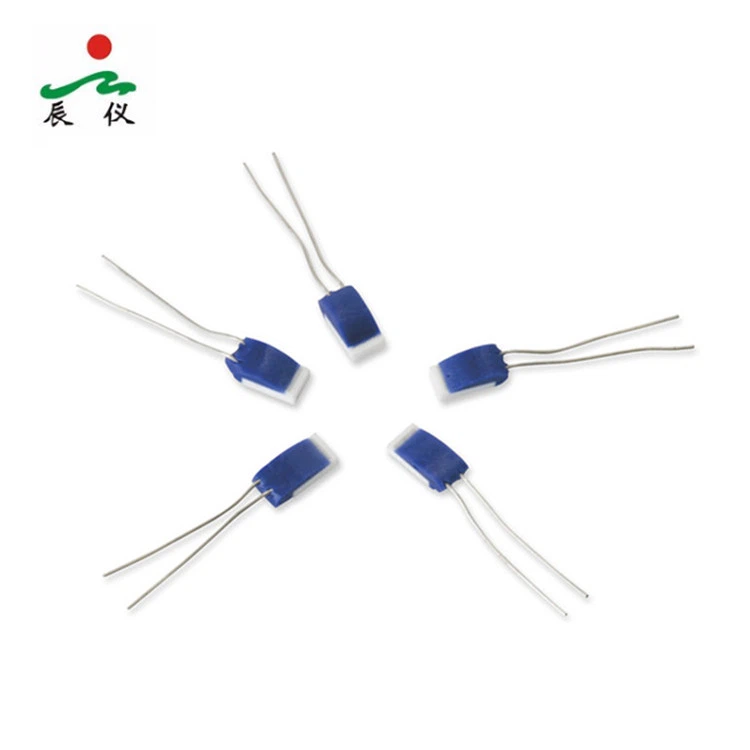
The electrical insulation within the probe is also important. If oil or grease penetrates the probe and comes into contact with the electrical connections, it can cause short - circuits or increase the electrical resistance, leading to inaccurate temperature readings.
Let's take a look at some real - world scenarios. In the automotive industry, RTD PT200 probes are often used to measure the temperature of engine oil. In this case, the probe is constantly in contact with the oil. To ensure accurate and reliable measurements, the probes are designed with special coatings and seals to protect them from the oil. These probes are also tested to withstand the high temperatures and pressures within the engine.
In food processing plants, where oils and greases are used for cooking and machinery lubrication, RTD PT200 probes are used to monitor the temperature of various processes. Here, the probes need to be made from materials that are food - grade and resistant to the oils and greases used in the food industry.
If you're using an RTD PT200 probe in an environment where it might come into contact with oil or grease, there are some steps you can take to minimize the impact. First, choose a probe with a suitable casing material. As mentioned earlier, stainless - steel casings are a good option. Second, consider using a protective sleeve or coating on the probe. There are various coatings available in the market that can provide an extra layer of protection against oil and grease.
Regular maintenance and inspection of the probes are also essential. Check for any signs of oil or grease contamination, such as discoloration or a sticky residue on the probe. If you notice any issues, clean the probe carefully using a suitable cleaning agent. Make sure to follow the manufacturer's instructions when cleaning the probe to avoid damaging it.
Now, let's compare the RTD PT200 probe with other types of RTDs in terms of their resistance to oil and grease. The 6 Wire Pt100 RTD and Pt100 Surface RTD are also popular in the industry. The basic principles of protection against oil and grease apply to these probes as well. However, the design and construction of each type of probe might make them more or less suitable for different oil - and - grease - prone environments. For example, a 6 - wire Pt100 RTD might have better electrical stability, which can be an advantage in an environment where oil or grease might cause electrical interference.
In conclusion, RTD PT200 probes can be affected by oil or grease, but with proper selection, installation, and maintenance, the impact can be minimized. If you're in the market for high - quality RTD PT200 probes or need more information about how to protect them from oil and grease, I'm here to help. Whether you're in the automotive, food processing, or any other industry, we can provide you with the right solutions for your temperature - sensing needs. Feel free to reach out to me to discuss your requirements and start a procurement negotiation.
References
- "Temperature Measurement Handbook" - A comprehensive guide on temperature sensors and their applications.
- Industry reports on the use of RTDs in different industrial sectors.
- Technical documentation from RTD probe manufacturers.
